Drug lookup
Drug reference

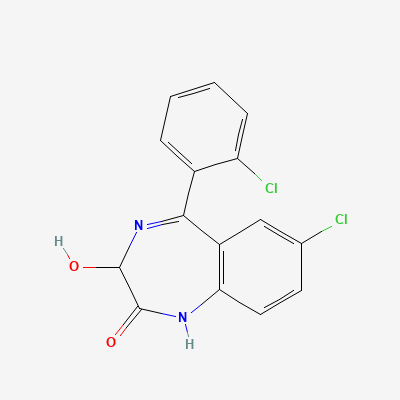
Lorazepam

Benzodiazepine (intermediate-acting) · Anxiolytic/Sedative

Also known as Ativan, Loreta, Trapex, Lorax
START
Anxiety: 0.5 mg PO 2-3 times daily. Status epilepticus: 4 mg IV. Use lowest effective dose for shortest duration (2-4 weeks max for anxiety/insomnia)
TYPICAL MAX
10 mg/day (oral); short-term use only
STOP IF
Severe respiratory depression, paradoxical agitation, signs of dependence, jaundice
WATCH
Sedation level, respiratory rate (if IV or with opioids), falls risk (elderly), cognitive function, signs of dependence/tolerance, taper gradually (>/=2 weeks)
CDSCO approvedSchedule HATC N05BA06
Dose laddermg/d
0.25start0.5titrate1titrate2titrate4ceiling
Renal dose adjustmenteGFR mL/min/1.73m²
FULLNo renal adjustment - metabolized to inactive glucuronide090

KDIGO 2024 + manufacturer label

Pharmacokineticsplasma · t hours
30minONSET2hPEAK15h8hDURATION
ONSET
30min · PO: 30-60 min; IV: 1-5 min
PEAK
2h · PO peak
15h · 10-20 hours
DURATION
8h · 6-8 hours
EXCRETION
Renal (glucuronide)
route + CYP
INTERACTIONS
12 major
SEVERE in our sources
PREGNANCY
Avoid in pregnancy; risk of congenital malformations (cleft lip/palate) and floppy infant syndrome; contraindicated in first trimester
FDA category + note
Top interactionssee all 12
  • MethylnaltrexoneSevereTextbookG&G 14e
  • NalmefeneSevereTextbookG&G 14e
  • NaloxoneSevereTextbookG&G 14e
  • NaltrexoneSevereTextbookG&G 14e
Available in India

235 branded formulations. Look up specific brands in the Drugs workspace.

Mechanism

Positive allosteric modulator at GABA-A receptors, increasing the frequency of chloride channel opening and enhancing GABA-mediated inhibitory neurotransmission. Produces anxiolytic, sedative-hypnotic, muscle relaxant, and anticonvulsant effects.

Indications

Anxiety disorders (short-term relief)Insomnia (short-term)Status epilepticus (IV)Pre-operative sedation / anxiolysisAlcohol withdrawal syndromeAcute agitationChemotherapy-induced nausea/vomiting (adjunct)

Dosing

Adult
Anxiety: 0.5-2 mg PO/SL 2-3 times daily. Insomnia: 1-2 mg PO at bedtime. Status epilepticus: 4 mg IV (may repeat x1 after 10-15 min). Pre-op: 2-4 mg PO/IM/IV 1-2h before procedure. Alcohol withdrawal: 1-2 mg q1-4h PRN (CIWA-guided)
Pediatric
>12 years: 0.5-2 mg PO 2-3 times daily. Status epilepticus: 0.05 mg/kg IV (max 4 mg)
Renal adjustment
No adjustment needed; hepatically metabolized to inactive glucuronide
Hepatic adjustment
Reduce dose by 50%; avoid in severe hepatic impairment
Geriatric
Start 0.25-0.5 mg; increased sensitivity to sedation, falls, cognitive effects; max 2 mg/day
Max dose
10 mg/day (oral); 8 mg/day IV (status epilepticus)

Pharmacokinetics

Onset
PO: 30-60 minutes; SL: 15-30 minutes; IV: 1-5 minutes; IM: 15-30 minutes
Peak effect
PO: 2 hours; IV: immediate; IM: 60-90 minutes
Duration
6-8 hours
Half-life
10-20 hours
Bioavailability
PO: ~85%; IM: ~90%
Protein binding
85-91%
Metabolism
Hepatic glucuronidation to inactive lorazepam glucuronide (no CYP involvement)
Excretion
Renal (primarily as glucuronide conjugate)

Contraindications

  • Hypersensitivity to lorazepam or other benzodiazepines
  • Acute narrow-angle glaucoma
  • Severe respiratory insufficiency / sleep apnea
  • Severe hepatic impairment
  • Myasthenia gravis
  • Concurrent use with sodium oxybate
  • Pregnancy (especially first trimester)

Side effects

Common
SedationDrowsinessDizzinessWeaknessConfusion (especially elderly)AtaxiaMemory impairment (anterograde amnesia)Respiratory depression (high doses/IV)
Serious
  • Respiratory depression / apnea (especially with opioids or IV)
  • Dependence and withdrawal syndrome
  • Paradoxical reactions (agitation, aggression)
  • Suicidal ideation
  • Severe hypotension
  • Jaundice (rare)

Pregnancy & lactation

Pregnancy

Avoid in pregnancy; risk of congenital malformations (cleft lip/palate) and floppy infant syndrome; contraindicated in first trimester

Lactation

Excreted in breast milk; may cause sedation in infant; avoid if possible or use lowest dose

Drug interactions

Methylnaltrexone
Severe
Textbook

Increased rates of accidental overdose and death.

Caution is advised, especially for patients with a history of drug abuse.

Source: G&G 14e

Nalmefene
Severe
Textbook

Increased rates of accidental overdose and death.

Caution is advised, especially for patients with a history of drug abuse.

Source: G&G 14e

Naloxone
Severe
Textbook

Increased rates of accidental overdose and death.

Caution is advised, especially for patients with a history of drug abuse.

Source: G&G 14e

Naltrexone
Severe
Textbook

Increased rates of accidental overdose and death.

Caution is advised, especially for patients with a history of drug abuse.

Source: G&G 14e

Alfentanil
Severe
Database

Increased rates of accidental overdose and death.

Caution is advised, especially for patients with a history of drug abuse.

Source: DDInter

Benzhydrocodone
Severe
Database

Drug interaction classified as: synergy

Source: DDInter

Buprenorphine
Severe
Database

Increased rates of accidental overdose and death.

Caution is advised, especially for patients with a history of drug abuse.

Source: DDInter

Butorphanol
Severe
Database

Drug interaction classified as: synergy.

Source: DDInter

Clozapine
Severe
Database

Drug interaction classified as: synergy.

Source: DDInter

Codeine
Severe
Database

Increased rates of accidental overdose and death.

Caution is advised, especially for patients with a history of drug abuse.

Source: DDInter

Dextropropoxyphene
Severe
Database

Clinical effect not specified

Source: DDInter

Dezocine
Severe
Database

Clinical effect not specified

Source: DDInter

Related guidelines

Ask House about Lorazepam

Continue into a citation-backed clinical answer with the drug context already attached.

Sources: KD Tripathi 7e, Goodman & Gilman 14e, Harrison 22e, Katzung·Verified: 2026-05-19 · House clinical team·Cockpit curated: 2026-05-19