Drug lookup
Drug reference

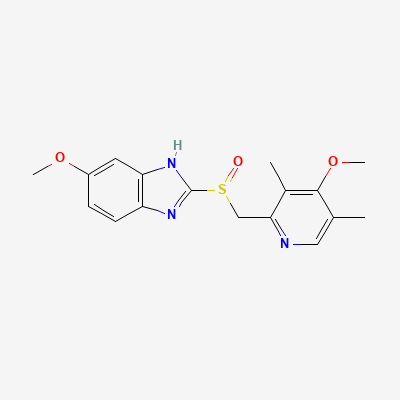
Omeprazole

Proton Pump Inhibitor · Antiulcer

Also known as Omeprazole Magnesium, Omeprazole Sodium
START
20 mg PO once daily, 30 min before breakfast
TYPICAL MAX
40 mg BID (Zollinger-Ellison)
STOP IF
Hypersensitivity
WATCH
Mg²⁺ · B12 · C. difficile risk on long use
CDSCO approvedJan AushadhiNPPA price-controlledATC A02BC01
Dose laddermg/d
20GERD standard40titrate80max
Renal dose adjustmenteGFR mL/min/1.73m²
FULLNo adjustment needed90

KDIGO 2024 + manufacturer label

Pharmacokineticsplasma · t hours
1hONSET2hPEAK1h1dDURATION
ONSET
1h · acid suppression begins
PEAK
2h · Cmax
1h · plasma t½ (effect outlasts)
DURATION
1d · irreversible H⁺/K⁺ ATPase block
EXCRETION
CYP2C19 + CYP3A4 · 80% renal metabolites
route + CYP
INTERACTIONS
12 major
SEVERE in our sources
PREGNANCY
Category C — pantoprazole preferred when possible
FDA category + note
Top interactionssee all 12
  • FluoxetineSevereTextbookG&G 14e · p1592
  • RifampinSevereTextbookG&G 14e · p1592
  • AcalabrutinibSevereDatabaseDDInter
  • AtazanavirSevereDatabaseDDInter
Available in India

1,694 branded formulations and 1,901 fixed-dose combinations. Look up specific brands in the Drugs workspace.

Jan Aushadhi — generic available at GoI pharmacies

Mechanism

Omeprazole is an irreversible proton pump inhibitor. It binds covalently to the H+/K+-ATPase enzyme system (the proton pump) found on the secretory surface of parietal cells in the stomach. This action blocks the final step of acid production, leading to a profound and long-lasting inhibition of gastric acid secretion.

Indications

Gastroesophageal Reflux Disease (GERD)Erosive EsophagitisDuodenal UlcerGastric UlcerHelicobacter pylori eradication (in combination with antibiotics)Zollinger-Ellison SyndromePrevention of NSAID-induced gastric ulcersStress ulcer prophylaxis (off-label)heartburnGastric ulcersDuodenal ulcersGastroesophageal reflux diseaseHelicobacter pylori eradicationPathological hypersecretory conditionsReducing the risk of duodenal ulcer recurrence associated with H. pylori infectionsSelf-treatment of acid reflux (over-the-counter)Peptic ulcer (duodenal, gastric, NSAID-induced)Bleeding peptic ulcerStress ulcers (prophylaxis)Systemic mastocytosisEndocrine adenomas (other gastric hypersecretory states)Aspiration pneumonia (prophylaxis)

Dosing

Adult
GERD: 20 mg PO once daily for 4-8 weeks. Erosive Esophagitis: 20 mg PO once daily for 4-8 weeks, can increase to 40 mg once daily if needed. Duodenal Ulcer: 20 mg PO once daily for 2-4 weeks. Gastric Ulcer: 20 mg PO once daily for 4-8 weeks. H. pylori eradication: 20 mg PO twice daily (or 40 mg once daily) with appropriate antibiotics for 7-14 days.…
Pediatric
GERD (children ≥1 year, weighing ≥10 kg): 0.7-1.4 mg/kg once daily, max 20 mg/day for 1-16 years. Dosing varies by weight: 10-20 kg: 10 mg once daily; >20 kg: 20 mg once daily.
Renal adjustment
No dose adjustment is necessary for patients with renal impairment.
Hepatic adjustment
In patients with severe hepatic impairment, the dose should not exceed 20 mg once daily.
Geriatric
No specific dose adjustment is generally required, but consider monitoring for potential increased risk of adverse effects, especially with long-term use.
Max dose
Typically 40 mg/day for most standard indications. Up to 360 mg/day (divided doses) for Zollinger-Ellison Syndrome.

Pharmacokinetics

Onset
Within 1 hour.
Peak effect
Plasma concentration: 0.5-3.5 hours. Maximum acid suppression: 2 hours.
Duration
Acid suppression up to 72 hours, despite short plasma half-life.
Half-life
0.5 to 1 hour (plasma elimination half-life).
Bioavailability
30-40% initially, increases to approximately 65% with repeated administration.
Protein binding
Approximately 95%.
Metabolism
Extensively metabolized in the liver, primarily by CYP2C19 (S-omeprazole) and CYP3A4 (R-omeprazole).
Excretion
Approximately 80% renally excreted and 20% excreted via feces.

Contraindications

  • Hypersensitivity to omeprazole or other substituted benzimidazoles
  • Concomitant use with nelfinavir (due to significant reduction in nelfinavir plasma concentrations)

Side effects

Common
HeadacheNauseaDiarrheaAbdominal painFlatulenceVomitingDizzinessRashConstipationLoose stoolsMuscle and joint pain
Serious
  • Clostridioides difficile-associated diarrhea (CDAD)
  • Osteoporosis-related fractures (with long-term high-dose use)
  • Hypomagnesemia (with prolonged use, often >3 months)
  • Acute interstitial nephritis
  • Cutaneous and systemic lupus erythematosus (new onset or exacerbation)
  • Vitamin B12 deficiency (with prolonged use, >2-3 years)
  • Fundic gland polyps (with long-term use)
  • Subacute myopathy
  • Arthralgias
  • Interstitial nephritis
  • Pharyngitis
  • Skin rashes
  • Increased risk of bone fracture
  • Increased susceptibility to hospital-acquired pneumonia
  • Increased susceptibility to community-acquired Clostridium difficile infection
  • Increased susceptibility to spontaneous bacterial peritonitis (in patients with ascites)
  • Hypomagnesemia
  • Vitamin B12 (cobalamin) deficiency (with long-term use, >3 years)
  • Hypergastrinemia leading to ECL hyperplasia and fundic gland polyposis
  • Atrophic gastritis
  • Rashes (1.5% incidence)
  • Leucopenia (infrequent)
  • Hepatic dysfunction (infrequent)
  • Atrophic gastritis (occasionally on prolonged treatment)
  • Gynaecomastia (on prolonged use)
  • Erectile dysfunction (on prolonged use)
  • Accelerated osteoporosis (among elderly patients with high-dose long-term use for GERD)

Pregnancy & lactation

Pregnancy

Category C — pantoprazole preferred when possible

Lactation

Omeprazole is excreted in human milk. Although adverse effects on breastfed infants are not expected with typical maternal doses, caution is advised.

Drug interactions

Fluoxetine
Severe
Textbook

omeprazole AUC increased 7.1-fold.

coadministration generally contraindicate[d] or at least require[s] dosage adjustment.

Source: G&G 14e · p1592

Rifampin
Severe
Textbook

omeprazole AUC decreased by 93% (AUCR 0.07).

coadministration generally contraindicate[d] or at least require[s] dosage adjustment.

Source: G&G 14e · p1592

Acalabrutinib
Severe
Database

Drug interaction classified as: absorption

Source: DDInter

Atazanavir
Severe
Database

Substantially reduced atazanavir concentrations, leading to loss of antiviral effectiveness.

Proton pump inhibitors should be avoided in patients receiving atazanavir without ritonavir.

Source: DDInter

Cilostazol
Severe
Database

Increased plasma concentrations of cilostazol and its active metabolites, potentially increasing the risk of adverse effects (e.g., headache, diarrhea, palpitations).

Consider reducing the cilostazol dose by half when co-administered with omeprazole. Monitor for adverse effects.

Source: DDInter

Citalopram
Severe
Database

Slight increase in QT prolongation risk.

Max citalopram 20mg with omeprazole. Monitor ECG.

Source: DDInter

Clopidogrel
Severe
Database

Lower efficacy of clopidogrel.

Consider avoiding coadministration or using an alternative proton pump inhibitor or antiplatelet agent.

Source: DDInter

Dacomitinib
Severe
Database

Clinical effect not specified

Source: DDInter

Dasatinib
Severe
Database

.

Source: DDInter

Erlotinib
Severe
Database

Reduced plasma levels and potentially reduced efficacy of erlotinib.

Source: DDInter

Methotrexate
Severe
Database

Increased methotrexate levels, potentially leading to toxicity.

Not specified, but typical management involves monitoring methotrexate levels.

Source: DDInter

Nelfinavir
Severe
Database

Reduced plasma concentrations of nelfinavir, leading to decreased antiviral efficacy and potential for viral resistance.

Avoid concomitant use. If a PPI is essential, consider an alternative antiretroviral or an alternative acid-suppressing agent (e.g., H2RA with careful timing, or antacids with separation).

Source: DDInter

Related guidelines

Other Proton Pump Inhibitor drugs

Ask House about Omeprazole

Continue into a citation-backed clinical answer with the drug context already attached.

Sources: KD Tripathi 7e, Goodman & Gilman 14e, Katzung, BNF·Verified: 2026-05-17 · House clinical team·Cockpit curated: 2026-05-16