Drug lookup
Drug reference

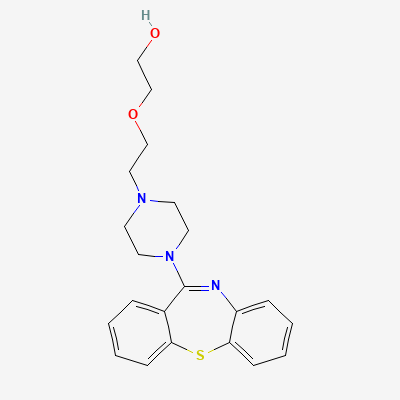
Quetiapine

Atypical Antipsychotic · Antipsychotic

Also known as Quetiapine Fumarate, Seroquel, Seroquel XR, Q-Pin, Qutipin
START
Confirm indication. Baseline weight, BMI, fasting glucose, lipid panel, ECG (QTc). Start low (25-50 mg BID) and titrate gradually over 4-5 days to minimize orthostatic hypotension and sedation.
TYPICAL MAX
800 mg/day (adults); 400 mg/day (elderly). XR: 300-800 mg once daily.
STOP IF
NMS, severe TD, QTc >500 ms, agranulocytosis, DKA, severe hepatotoxicity, pregnancy
WATCH
Weight/glucose/lipids (baseline, 12 weeks, then annually), ECG (QTc), EPS (AIMS), orthostatic BP, cataracts (eye exam at baseline and periodically)
CDSCO approvedSchedule HATC N05AH04
Dose laddermg/d
25start100titrate300titrate400max800ceiling
Renal dose adjustmenteGFR mL/min/1.73m²
FULLStart 25 mg/day; titrate slowly; max 400 mg/day1590

KDIGO 2024 + manufacturer label

Pharmacokineticsplasma · t hours
23minONSET1.5hPEAK6h12hDURATION
ONSET
23min · absorption onset
PEAK
1.5h · 1.5 h (IR); 6 h (XR)
6h · ~6 h (parent); 7-12 h (norquetiapine)
DURATION
12h · 8-12 h (IR BID); 24 h (XR)
EXCRETION
~73% urine (metabolites); hepatic CYP3A4 primary; CYP2D6 secondary
route + CYP
INTERACTIONS
12 major
SEVERE in our sources
PREGNANCY
FDA PLLR: Limited human data. Neonatal EPS and withdrawal symptoms reported with third-trimester exposure. Use only if benefit clearly outweighs risk. Risk of metabolic complications in pregnancy.
FDA category + note
Top interactionssee all 12
  • AlfentanilSevereDatabaseDDInter
  • AmiodaroneSevereDatabaseDDInter
  • AmisulprideSevereDatabaseDDInter
  • AmprenavirSevereDatabaseDDInter
Available in India

361 branded formulations. Look up specific brands in the Drugs workspace.

Mechanism

Quetiapine is a dibenzothiazepine atypical antipsychotic with a broad receptor binding profile. It has high affinity for histamine H1 receptors (potent sedation), moderate affinity for 5-HT2A and 5-HT1A receptors, and moderate affinity for dopamine D2 receptors (rapid dissociation from D2 — 'hit-and-run' kinetics). Its relatively low D2 occupancy compared to other antipsychotics accounts for its low extrapyramidal symptom risk. It also blocks alpha-1 adrenergic receptors (orthostatic hypotension) and has minimal anticholinergic activity. The active metabolite norquetiapine has higher affinity for norepinephrine reuptake transporters (NET), contributing to antidepressant effects.

Indications

Schizophrenia — acute and maintenanceBipolar I disorder — acute manic episodesBipolar depressionBipolar maintenance (as adjunct to lithium or divalproex)Major depressive disorder — adjunctive therapyGeneralized anxiety disorder (off-label)Insomnia (low-dose, off-label)Delirium (off-label)Parkinson disease psychosis (off-label — lowest EPS risk)

Dosing

Adult
Schizophrenia: Day 1: 25 mg BID; Day 2: 50 mg BID; Day 3: 100 mg BID; Day 4: 150 mg BID; titrate to 300-400 mg BID (600-800 mg/day); max 800 mg/day. Bipolar mania: 100 mg Day 1, 200 mg Day 2, 300 mg Day 3, 400 mg Day 4; target 400-800 mg/day. Bipolar depression: 50 mg Day 1, 100 mg Day 2, 200 mg Day 3; target 300 mg/day. MDD adjunct: 150-300 mg/day. Elderly: start 25 mg/day; titrate slowly; max 400 mg/day.
Pediatric
Schizophrenia (13-17 years): Day 1: 25 mg BID; titrate to 400-800 mg/day. Bipolar mania (10-17 years): Day 1: 25 mg BID; titrate to 400-600 mg/day.
Renal adjustment
Start 25 mg/day; titrate slowly. No specific adjustment but reduced clearance expected.
Hepatic adjustment
Start 25 mg/day; titrate slowly. Extensive hepatic metabolism means increased levels in hepatic impairment.
Geriatric
Start 25 mg/day; max 400 mg/day. Increased risk of sedation, orthostatic hypotension, falls, cognitive impairment, mortality in dementia.
Max dose
800 mg/day (adults); 400 mg/day (elderly)

Pharmacokinetics

Onset
Sedation within hours. Antipsychotic effect: 1-2 weeks.
Peak effect
Oral IR: peak at 1.5 hours. XR: 6 hours. Steady-state: 2 days.
Duration
IR: 8-12 hours (BID dosing). XR: 24 hours (once daily).
Half-life
~6 hours (parent); 7-12 hours (active metabolite norquetiapine). Combined effective half-life: ~6-7 hours.
Bioavailability
Poor: ~9% (oral; extensive first-pass metabolism via CYP3A4).
Protein binding
~83% (bound to albumin and alpha-1-acid glycoprotein).
Metabolism
Extensive hepatic via CYP3A4 (primary — sulfoxidation, oxidation) and CYP2D6 (secondary — N-dealkylation to norquetiapine — active metabolite with NET inhibition). Norquetiapine contributes to antidepressant and antipsychotic effects.
Excretion
Urine: ~73% (as metabolites, <1% unchanged). Fecal: ~20%.

Contraindications

  • Hypersensitivity to quetiapine
  • Dementia-related psychosis (FDA black box warning — increased mortality)
  • Concomitant use with strong CYP3A4 inhibitors (may increase levels significantly)
  • Concomitant use with strong CYP3A4 inducers (may reduce efficacy)

Side effects

Common
Sedation, somnolence (H1 antagonism — most common, dose-related)Dizziness, orthostatic hypotension (alpha-1 blockade)Dry mouthConstipationDyspepsiaWeight gain (metabolic effects)Dyslipidemia (elevated triglycerides, cholesterol)HeadacheTachycardia
Serious
  • QT prolongation (dose-related; risk increased >800 mg/day)
  • Neuroleptic malignant syndrome (NMS)
  • Tardive dyskinesia (TD)
  • Diabetic ketoacidosis, hyperosmolar coma (rare)
  • Severe neutropenia, agranulocytosis
  • Cataracts (lens changes observed in animal studies; monitor)
  • Hepatotoxicity (elevated transaminases, hepatitis)
  • Seizures (dose-dependent lowering of threshold)
  • Increased mortality in dementia-related psychosis (black box warning)
  • Suicidal ideation (in MDD patients <24 years)

Pregnancy & lactation

Pregnancy

FDA PLLR: Limited human data. Neonatal EPS and withdrawal symptoms reported with third-trimester exposure. Use only if benefit clearly outweighs risk. Risk of metabolic complications in pregnancy.

Lactation

Excreted in breast milk. May cause infant sedation, poor feeding, developmental effects. Avoid breastfeeding if possible.

Drug interactions

Alfentanil
Severe
Database

Drug interaction classified as: synergy

Source: DDInter

Amiodarone
Severe
Database

Drug interaction classified as: synergy.

Source: DDInter

Amisulpride
Severe
Database

Drug interaction classified as: synergy.

Source: DDInter

Amprenavir
Severe
Database

Drug interaction classified as: metabolism

Source: DDInter

Anagrelide
Severe
Database

Drug interaction classified as: synergy

Source: DDInter

Apalutamide
Severe
Database

Drug interaction classified as: metabolism

Source: DDInter

Arsenic Trioxide
Severe
Database

Drug interaction classified as: synergy

Source: DDInter

Atazanavir
Severe
Database

Drug interaction classified as: metabolism.

Source: DDInter

Bedaquiline
Severe
Database

Drug interaction classified as: synergy

Source: DDInter

Benzhydrocodone
Severe
Database

Drug interaction classified as: synergy

Source: DDInter

Bepridil
Severe
Database

Drug interaction classified as: synergy

Source: DDInter

Bexarotene
Severe
Database

Drug interaction classified as: synergy

Source: DDInter

Related guidelines

Other Atypical Antipsychotic drugs

Ask House about Quetiapine

Continue into a citation-backed clinical answer with the drug context already attached.

Sources: KD Tripathi 7e, Goodman & Gilman 14e, Harrison 22e, Katzung·Verified: 2026-05-18 · House clinical team·Cockpit curated: 2026-05-18