Drug lookup
Drug reference

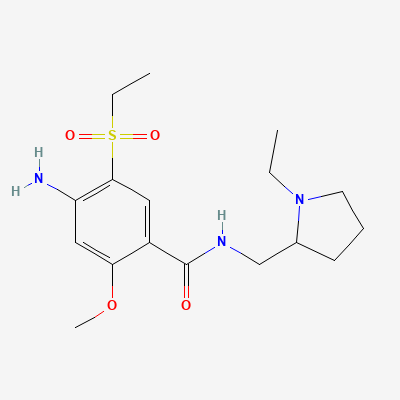
Amisulpride

Atypical Antipsychotic · Antipsychotic

Also known as Sulpitac, Amisant, Solian
START
Confirm schizophrenia diagnosis with positive and/or negative symptoms. Baseline ECG (QTc), prolactin, fasting glucose, weight. Screen for pheochromocytoma and prolactin-dependent tumors. Start at low dose.
TYPICAL MAX
1200 mg/day (adults); 400 mg/day (elderly). QT risk increases >800 mg/day.
STOP IF
QTc >500 ms or increase >60 ms from baseline, NMS, severe TD, agranulocytosis, signs of pheochromocytoma crisis
WATCH
ECG at baseline and after dose increases (QTc), prolactin levels (if symptomatic), EPS (AIMS scale), weight/glucose (baseline, 12 weeks), renal function (dose adjustment)
CDSCO approvedSchedule HATC N05AL05
Dose laddermg/d
50start200titrate400titrate800max1.2kceiling
Renal dose adjustmenteGFR mL/min/1.73m²
FULLFull dose: 400-1200 mg/day60REDUCEReduce dose by 50%30REDUCEReduce dose by 75%10AVOIDNot recomm…90

KDIGO 2024 + manufacturer label

Pharmacokineticsplasma · t hours
23minONSET1.5hPEAK12h12hDURATION
ONSET
23min · absorption onset
PEAK
1.5h · 1-2 h (oral)
12h · ~12 h (single); 16-30 h (steady-state)
DURATION
12h · 12 h (BID dosing)
EXCRETION
~50% renal unchanged; minimal hepatic metabolism; NOT CYP-dependent
route + CYP
INTERACTIONS
12 major
incl. contraindicated
PREGNANCY
FDA PLLR: Not approved in US (EU/India use). Animal studies showed adverse effects. Limited human data. Hyperprolactinemia may affect fertility. Use only if benefit clearly outweighs risk.
FDA category + note
Top interactionssee all 12
  • AmiodaroneContraindicatedDatabaseDDInter
  • CisaprideContraindicatedDatabaseDDInter
  • DisopyramideContraindicatedDatabaseDDInter
  • ErythromycinContraindicatedDatabaseDDInter
Available in India

361 branded formulations. Look up specific brands in the Drugs workspace.

Mechanism

Amisulpride is a substituted benzamide atypical antipsychotic with high selectivity for dopamine D2 and D3 receptors. At low doses (50-300 mg/day), it preferentially blocks presynaptic D2/D3 autoreceptors, enhancing dopaminergic transmission in the mesocortical pathway — this accounts for its efficacy in negative symptoms of schizophrenia and dysthymia. At higher doses (400-1200 mg/day), it blocks postsynaptic D2/D3 receptors in the mesolimbic pathway, reducing positive symptoms of schizophrenia. It has minimal affinity for 5-HT2A, alpha-1, H1, and muscarinic receptors, resulting in a relatively clean side effect profile with low sedation, minimal weight gain, and reduced metabolic effects compared to other atypical antipsychotics. It does not cross the blood-brain barrier extensively in areas responsible for motor control, reducing extrapyramidal symptoms.

Indications

Schizophrenia — acute and chronic (positive and negative symptoms)Predominant negative symptoms of schizophrenia (low doses)Acute psychotic episodesDysthymia (low doses — off-label in some regions)Treatment-resistant schizophrenia (high doses, off-label)

Dosing

Adult
Acute psychotic episodes: 400-800 mg/day in 2 divided doses; max 1200 mg/day. Predominant negative symptoms: 50-300 mg/day. Chronic schizophrenia: 400-600 mg/day. Elderly: start ¼-½ normal dose; titrate slowly.
Pediatric
Not recommended <15 years.
Renal adjustment
CrCl 30-60: reduce dose by 50%. CrCl 10-30: reduce dose by 75%. CrCl <10: not recommended (limited data; may accumulate).
Hepatic adjustment
No adjustment required (minimal hepatic metabolism).
Geriatric
Start at ¼-½ normal dose (50-200 mg/day); max 400 mg/day. Increased risk of sedation, QT prolongation, and EPS.
Max dose
1200 mg/day (adults); 400 mg/day (elderly)

Pharmacokinetics

Onset
Antipsychotic effect: 1-2 weeks for symptom improvement; 4-6 weeks for full effect.
Peak effect
Oral: peak plasma at 1-2 hours (rapid absorption). Steady-state: 2-3 days.
Duration
12 hours (supports BID dosing).
Half-life
~12 hours (single dose); 16-30 hours at steady-state. 2-fold accumulation at steady-state.
Bioavailability
~48% (oral; reduced by food — take before meals).
Protein binding
~16% (low; primarily to albumin). Low protein binding means minimal displacement interactions.
Metabolism
Minimal hepatic metabolism (~50% excreted unchanged). Two inactive metabolites produced in small amounts. NOT a CYP substrate — very few CYP-mediated drug interactions.
Excretion
Renal: ~50% unchanged in urine. Fecal: ~20%.

Contraindications

  • Hypersensitivity to amisulpride or substituted benzamides
  • Pheochromocytoma (risk of hypertensive crisis — amisulpride may increase catecholamine release)
  • Prolactin-dependent tumors (prolactinoma, breast cancer)
  • Severe renal impairment (CrCl <30) — dose reduction required
  • Concomitant use with levodopa (dopamine receptor antagonism opposes levodopa effects)
  • QT prolongation, congenital long QT syndrome, or concurrent QT-prolonging drugs

Side effects

Common
Insomnia, agitation, anxietyWeight gain (less than other atypicals — mean 1-2 kg)Hyperprolactinemia (galactorrhea, amenorrhea, sexual dysfunction, gynecomastia — dose-related, more common than other atypicals)EPS at high doses (>400 mg/day): akathisia, parkinsonism, dystoniaNausea, constipation, dry mouthElevated prolactin levels
Serious
  • QT prolongation and torsades de pointes (dose-related; especially at doses >800 mg/day or in CYP poor metabolizers)
  • Neuroleptic malignant syndrome (NMS)
  • Tardive dyskinesia (TD)
  • Agranulocytosis (rare)
  • Seizures (dose-dependent lowering of seizure threshold)
  • Veno-occlusive disease (rare)
  • Hyperglycemia/diabetes (less common than olanzapine/clozapine but reported)

Pregnancy & lactation

Pregnancy

FDA PLLR: Not approved in US (EU/India use). Animal studies showed adverse effects. Limited human data. Hyperprolactinemia may affect fertility. Use only if benefit clearly outweighs risk.

Lactation

Excreted in breast milk. Hyperprolactinemia may suppress lactation. Avoid breastfeeding if possible. If necessary, monitor infant for EPS, sedation, and developmental effects.

Drug interactions

Amiodarone
Contraindicated
Database

Increased risk of Torsades de Pointes (TdP) and other ventricular arrhythmias

Concomitant use is contraindicated. Avoid combination.

Source: DDInter

Cisapride
Contraindicated
Database

Increased risk of Torsades de Pointes (TdP) and other ventricular arrhythmias

Concomitant use is contraindicated. Avoid combination.

Source: DDInter

Disopyramide
Contraindicated
Database

Increased risk of Torsades de Pointes (TdP) and other ventricular arrhythmias

Concomitant use is contraindicated. Avoid combination.

Source: DDInter

Erythromycin
Contraindicated
Database

Increased risk of Torsades de Pointes (TdP) and other ventricular arrhythmias

Concomitant use is contraindicated. Avoid combination.

Source: DDInter

Halofantrine
Contraindicated
Database

Increased risk of Torsades de Pointes (TdP) and other ventricular arrhythmias

Concomitant use is contraindicated. Avoid combination.

Source: DDInter

Methadone
Contraindicated
Database

Increased risk of Torsades de Pointes (TdP) and other ventricular arrhythmias

Concomitant use is contraindicated. Avoid combination.

Source: DDInter

Moxifloxacin
Contraindicated
Database

Increased risk of Torsades de Pointes (TdP) and other ventricular arrhythmias

Concomitant use is contraindicated. Avoid combination.

Source: DDInter

Pentamidine
Contraindicated
Database

Increased risk of Torsades de Pointes (TdP) and other ventricular arrhythmias

Concomitant use is contraindicated. Avoid combination.

Source: DDInter

Quinidine
Contraindicated
Database

Increased risk of Torsades de Pointes (TdP) and other ventricular arrhythmias

Concomitant use is contraindicated. Avoid combination.

Source: DDInter

Sotalol
Contraindicated
Database

Increased risk of Torsades de Pointes (TdP) and other ventricular arrhythmias

Concomitant use is contraindicated. Avoid combination.

Source: DDInter

Abarelix
Severe
Database

Drug interaction classified as: synergy

Source: DDInter

Abiraterone
Severe
Database

Drug interaction classified as: synergy

Source: DDInter

Related guidelines

Other Atypical Antipsychotic drugs

Ask House about Amisulpride

Continue into a citation-backed clinical answer with the drug context already attached.

Sources: Goodman & Gilman 14e, Katzung, BNF·Verified: 2026-05-18 · House clinical team·Cockpit curated: 2026-05-18