Drug lookup
Drug reference

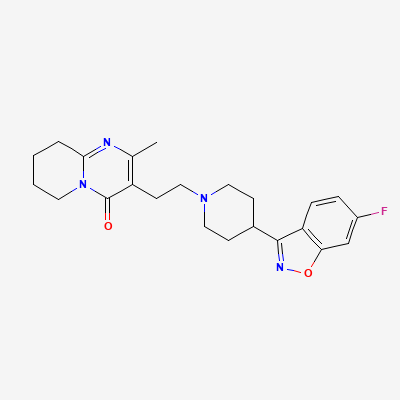
Risperidone

Atypical Antipsychotic · Antipsychotic

Also known as Risperdal, Risdone, Rispax, Zisper
START
Confirm schizophrenia, bipolar, or approved indication. Baseline prolactin, fasting glucose, lipid panel, weight, ECG if cardiac risk. Screen for EPS risk factors. Start 0.5-2 mg daily.
TYPICAL MAX
8 mg/day (schizophrenia). EPS risk increases dramatically >6 mg/day. Elderly: max 3 mg/day.
STOP IF
NMS, severe TD, stroke symptoms, agranulocytosis, priapism, severe hyperglycemia/DKA, pregnancy
WATCH
EPS (AIMS scale every 6 months), prolactin (if symptoms), weight/glucose/lipids (baseline, 12 weeks, then annually), orthostatic BP, movement disorders
CDSCO approvedSchedule HJan AushadhiATC N05AX08
Dose laddermg/d
0.5start1titrate4titrate8max: 8 mg/day16ceiling
Renal dose adjustmenteGFR mL/min/1.73m²
FULLFull dose: 2-8 mg/day30REDUCEStart 0.5 mg BID…15REDUCEStart 0.5 mg dai…90

KDIGO 2024 + manufacturer label

Pharmacokineticsplasma · t hours
23minONSET1.5hPEAK20h1dDURATION
ONSET
23min · absorption onset
PEAK
1.5h · 1-2 h (oral)
20h · ~3 h (parent); ~24 h (9-OH metabolite); combined ~20 h
DURATION
1d · 24 h (daily or BID dosing)
EXCRETION
~70% urine (metabolites); CYP2D6 primary; CYP3A4 secondary
route + CYP
INTERACTIONS
12 major
SEVERE in our sources
PREGNANCY
FDA PLLR: Limited human data. Neonatal extrapyramidal and/or withdrawal symptoms reported with third-trimester exposure. Use only if benefit clearly outweighs risk.
FDA category + note
Top interactionssee all 12
  • DiazepamSevereTextbook-citedKDT 7e · p950
  • AlfentanilSevereDatabaseDDInter
  • AmiodaroneSevereDatabaseDDInter
  • AmisulprideSevereDatabaseDDInter
Available in India

306 branded formulations and 193 fixed-dose combinations. Look up specific brands in the Drugs workspace.

Jan Aushadhi — generic available at GoI pharmacies

Mechanism

Risperidone is a benzisoxazole atypical antipsychotic that acts as a combined serotonin-dopamine antagonist. It has high affinity for 5-HT2A receptors (Ki = 0.16 nM), D2 receptors (Ki = 3.3 nM), alpha-1 adrenergic receptors, and H1 histamine receptors. The 5-HT2A/D2 affinity ratio >1 is characteristic of atypical antipsychotics and is thought to reduce extrapyramidal symptoms while maintaining antipsychotic efficacy. It also blocks alpha-2 adrenergic receptors and has moderate affinity for H1 receptors. Unlike clozapine or olanzapine, risperidone has minimal anticholinergic (M1) activity. Its active metabolite, 9-hydroxyrisperidone (paliperidone), contributes significantly to the pharmacological effect.

Indications

Schizophrenia — acute and maintenance treatmentBipolar I disorder — acute manic or mixed episodes (monotherapy or adjunct)Irritability associated with autistic disorder (pediatric)Bipolar maintenance (monotherapy or with lithium/valproate)Dementia-related behavioral disturbances (off-label — black box warning)Tourette syndrome (off-label)Aggressive behavior (off-label)Treatment-resistant OCD (augmentation — off-label)

Dosing

Adult
Schizophrenia: 2 mg PO daily initially; titrate by 1-2 mg/day at ≥24h intervals; target 4-8 mg/day; max 16 mg/day. Bipolar mania: 2-3 mg PO daily initially; target 1-6 mg/day. Elderly/psychosis: 0.5 mg PO BID initially; titrate slowly.
Pediatric
Autism irritability (5-16 years, ≥20 kg): 0.5 mg PO daily; titrate by 0.5 mg at ≥4-day intervals; target 1-2.5 mg/day. Schizophrenia (13-17 years): 0.5 mg PO daily; target 3 mg/day; max 6 mg/day.
Renal adjustment
Start 0.5 mg BID; titrate by ≤0.5 mg BID; max 1.5 mg BID (3 mg/day). Active metabolite (9-OH-risperidone) accumulates in renal impairment.
Hepatic adjustment
Start 0.5 mg BID; titrate slowly. Monitor for sedation and orthostatic hypotension.
Geriatric
Start 0.5 mg BID; max 3 mg/day. Increased risk of cerebrovascular events, falls, mortality. Beers Criteria: avoid for behavioral symptoms of dementia.
Max dose
16 mg/day (adults); 6 mg/day (pediatric schizophrenia); 3 mg/day (elderly/renal impairment)

Pharmacokinetics

Onset
Antipsychotic effect: 1-2 weeks for symptom improvement; 4-6 weeks for full effect.
Peak effect
Oral: peak plasma at 1-2 hours. Oral solution: 1 hour. M-tab: 1 hour. IM long-acting: peak at 4-6 weeks.
Duration
24 hours (supports once- or twice-daily dosing).
Half-life
Risperidone: ~3 hours (rapid). 9-hydroxyrisperidone (paliperidone, active metabolite): ~24 hours. Combined effective half-life: ~20 hours.
Bioavailability
~70% (oral). Food does not significantly affect absorption.
Protein binding
~90% (bound to albumin and alpha-1-acid glycoprotein).
Metabolism
Extensive hepatic via CYP2D6 (hydroxylation to active 9-OH-risperidone/paliperidone — primary pathway) and CYP3A4 (N-dealkylation). CYP2D6 poor metabolizers have higher risperidone and lower 9-OH-risperidone levels, with increased side effects.
Excretion
Urine: ~70% (35-45% as 9-OH-risperidone, 10% as parent drug). Feces: ~14%.

Contraindications

  • Hypersensitivity to risperidone or paliperidone
  • Dementia-related psychosis (FDA black box warning — increased mortality)
  • Severe CNS depression or comatose states

Side effects

Common
Extrapyramidal symptoms (EPS — akathisia, parkinsonism, dystonia; dose-related, >6 mg/day)Hyperprolactinemia (galactorrhea, amenorrhea, sexual dysfunction, gynecomastia)Sedation, somnolenceOrthostatic hypotension, dizziness (alpha-1 blockade)Weight gainConstipationInsomnia, anxietyTachycardia
Serious
  • Neuroleptic malignant syndrome (NMS)
  • Tardive dyskinesia (TD)
  • Cerebrovascular events, stroke (elderly with dementia)
  • Hyperglycemia, diabetes mellitus, diabetic ketoacidosis
  • Agranulocytosis, neutropenia
  • Seizures (dose-dependent)
  • Priapism (rare)
  • QT prolongation (rare, at high doses)
  • Increased mortality in dementia-related psychosis (black box warning)

Pregnancy & lactation

Pregnancy

FDA PLLR: Limited human data. Neonatal extrapyramidal and/or withdrawal symptoms reported with third-trimester exposure. Use only if benefit clearly outweighs risk.

Lactation

Excreted in breast milk (infant dose ~2.3-4.7% of maternal weight-adjusted dose). May cause infant sedation, EPS, poor feeding. Avoid breastfeeding if possible.

Drug interactions

Diazepam
Severe
Textbook-cited

Excessive sedation, respiratory depression, motor impairment.

Avoid concurrent use

Source: KDT 7e · p950

Alfentanil
Severe
Database

Drug interaction classified as: synergy

Source: DDInter

Amiodarone
Severe
Database

Drug interaction classified as: synergy.

Source: DDInter

Amisulpride
Severe
Database

Drug interaction classified as: synergy.

Source: DDInter

Anagrelide
Severe
Database

Drug interaction classified as: synergy

Source: DDInter

Arsenic Trioxide
Severe
Database

Drug interaction classified as: synergy

Source: DDInter

Bedaquiline
Severe
Database

Drug interaction classified as: synergy

Source: DDInter

Benzhydrocodone
Severe
Database

Drug interaction classified as: synergy

Source: DDInter

Bepridil
Severe
Database

Drug interaction classified as: synergy

Source: DDInter

Buprenorphine
Severe
Database

Drug interaction classified as: synergy.

Source: DDInter

Bupropion
Severe
Database

Exposure to active moiety increases by 1.5-fold.

Reduce risperidone dose.

Source: DDInter

Butorphanol
Severe
Database

Drug interaction classified as: synergy

Source: DDInter

Related guidelines

Other Atypical Antipsychotic drugs

Ask House about Risperidone

Continue into a citation-backed clinical answer with the drug context already attached.

Sources: KD Tripathi 7e, Goodman & Gilman 14e, Katzung, BNF·Verified: 2026-05-18 · House clinical team·Cockpit curated: 2026-05-18