Drug lookup
Drug reference

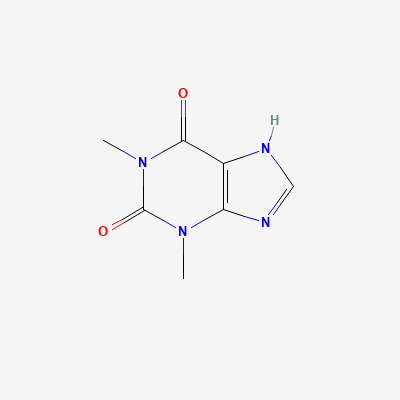
Theophylline

Methylxanthine bronchodilator / phosphodiesterase inhibitor · Bronchodilator

Also known as Aminophylline, Oxtriphylline, Xanthine, Methylxanthine

START
Check baseline theophylline level if prior use, LFTs, caffeine intake, smoking status. Review ALL medications for CYP1A2 interactions. Target 5-15 mcg/mL.
TYPICAL MAX
900mg/day. Toxicity risk increases above 15 mcg/mL; seizures and arrhythmias can occur at 20-30 mcg/mL. Narrow therapeutic index.
STOP IF
Serum level >20 mcg/mL, seizures, life-threatening arrhythmias, severe vomiting with dehydration.
WATCH
Serum theophylline levels: at 2-3 days after start or dose change, then every 6-12 months (more frequently if interacting drugs added). Smoking increases clearance by 50-80% (dose increase needed); smoking cessation decreases clearance (dose reduction needed). Many drug interactions via CYP1A2.
CDSCO approvedHATC R03DA04
Dose laddermg/d
100start200titrate300titrate400Step-up (IR)600titrate900Absolute max
Renal dose adjustmenteGFR mL/min/1.73m²
FULLNo adjustment30REDUCEReduce dose 25%15REDUCEReduce dose 50%90

KDIGO 2024 + manufacturer label

Pharmacokineticsplasma · t hours
1hONSET1.5hPEAK8h8hDURATION
ONSET
1h · Onset 30-60 min (IR)
PEAK
1.5h · Tmax IR 1-2h; SR 4-8h
8h · t½ ~8h (non-smokers)
DURATION
8h · 6-8 hours (IR)
EXCRETION
Hepatic metabolism; 10% renal unchanged
route + CYP
INTERACTIONS
12 major
incl. contraindicated
PREGNANCY
Crosses placenta; may cause neonatal irritability and tachycardia. Use only if benefit outweighs risk—target lower serum levels (5-12 mcg/mL).
FDA category + note
Top interactionssee all 12
  • FebuxostatContraindicatedDatabaseKimi deep-research + Cla
  • AllopurinolSevereTextbook-citedKDT 7e · p948
  • AtazanavirSevereTextbook-citedKDT 7e · p948
  • CiprofloxacinSevereTextbook-citedKDT 7e · p948
Available in India

44 branded formulations and 59 fixed-dose combinations. Look up specific brands in the Drugs workspace.

Mechanism

Non-selective phosphodiesterase inhibitor increasing intracellular cAMP; antagonizes adenosine receptors (A1, A2); stimulates diaphragmatic contractility; has mild anti-inflammatory properties in airways. Bronchodilation plus enhanced respiratory muscle function.

Indications

Chronic asthma (maintenance, not rescue)Chronic obstructive pulmonary disease (COPD)Apnea of prematurity (neonatal)

Dosing

Adult
Immediate-release: 300mg/day divided q6-8h initially x 3 days, then 400mg/day x 3 days, then 600mg/day max. Sustained-release: 150-300mg q12h. Target serum level: 5-15 mcg/mL (bronchodilation); toxic >20 mcg/mL.
Pediatric
<1 year: 0.2 x (age in weeks) + 5 = mg/kg/day divided q6-8h. 1-9 years: 16-24mg/kg/day divided q6h (max 400mg/day). 9-12 years: 12-18mg/kg/day (max 600mg).
Renal adjustment
No adjustment for mild-moderate. Severe: reduce dose 50%.
Hepatic adjustment
Reduce dose 50% in hepatic cirrhosis, acute hepatitis, cholestasis.
Geriatric
Start 150-200mg/day; clearance reduced by ~30%; increased toxicity risk.
Max dose
900mg/day (adults); 600mg/day (children 1-16 years)

Pharmacokinetics

Onset
Bronchodilation within 1 hour (IR)
Peak effect
Tmax 1-2 hours (IR); 4-8 hours (SR); steady-state in 2-3 days
Duration
6-8 hours (IR); 8-12 hours (SR); 24 hours (some formulations)
Half-life
~8 hours (adults, non-smokers); ~4 hours (smokers); ~24-30 hours (neonates); ~30 hours (CHF, cirrhosis)
Bioavailability
~100% (oral)
Protein binding
~40-60%
Metabolism
Extensive hepatic via CYP1A2 (major), CYP2E1, CYP3A4; many drug interactions
Excretion
~10% unchanged in urine; remainder as metabolites

Contraindications

  • Hypersensitivity to theophylline or xanthines
  • Acute porphyria
  • Uncontrolled arrhythmias
  • Uncontrolled seizure disorders

Side effects

Common
Nausea and vomitingHeadacheInsomniaTachycardia / palpitationsTremorDyspepsiaIrritability
Serious
  • Theophylline toxicity (nausea, vomiting, seizures, arrhythmias, death—can occur at 15-20 mcg/mL in sensitive patients)
  • Ventricular arrhythmias
  • Seizures (can occur without preceding GI symptoms)
  • Severe tachycardia
  • Hypokalemia
  • Hyperglycemia

Pregnancy & lactation

Pregnancy

Crosses placenta; may cause neonatal irritability and tachycardia. Use only if benefit outweighs risk—target lower serum levels (5-12 mcg/mL).

Lactation

Excreted in breast milk (~1% of maternal dose); may cause infant irritability and insomnia. Generally compatible at moderate doses; monitor infant.

Drug interactions

Febuxostat
Contraindicated
Database

Theophylline is partially metabolized by xanthine oxidase. Febuxostat inhibits this pathway, increasing theophylline levels and risk of toxicity (seizures, arrhythmias, nausea).

Avoid concurrent use. If both needed, use extreme caution, monitor theophylline levels, and reduce theophylline dose.

Source: Kimi deep-research + Cla

Allopurinol
Severe
Textbook-cited

Theophylline toxicity (nausea, arrhythmias, seizures).

Monitor theophylline levels and reduce dose

Source: KDT 7e · p948

Atazanavir
Severe
Textbook-cited

Theophylline toxicity

Monitor levels and reduce dose

Source: KDT 7e · p948

Ciprofloxacin
Severe
Textbook-cited

Theophylline toxicity (nausea, seizures, arrhythmias).

Monitor theophylline levels and reduce dose

Source: KDT 7e · p948

Clarithromycin
Severe
Textbook-cited

Theophylline toxicity.

Monitor levels and reduce dose

Source: KDT 7e · p948

Darunavir
Severe
Textbook-cited

Theophylline toxicity

Monitor levels and reduce dose

Source: KDT 7e · p948

Erythromycin
Severe
Textbook-cited

Theophylline toxicity.

Monitor levels and reduce dose

Source: KDT 7e · p948

Fluconazole
Severe
Textbook-cited

Theophylline toxicity.

Monitor levels and reduce dose

Source: KDT 7e · p948

Itraconazole
Severe
Textbook-cited

Theophylline toxicity.

Monitor levels and reduce dose

Source: KDT 7e · p948

Ketoconazole
Severe
Textbook-cited

Theophylline toxicity

Monitor levels and reduce dose

Source: KDT 7e · p948

Lopinavir
Severe
Textbook-cited

Theophylline toxicity

Monitor levels and reduce dose

Source: KDT 7e · p948

Pefloxacin
Severe
Textbook-cited

Theophylline toxicity (nausea, seizures, arrhythmias)

Monitor theophylline levels and reduce dose

Source: KDT 7e · p948
Related guidelines

Ask House about Theophylline

Continue into a citation-backed clinical answer with the drug context already attached.

Sources: KD Tripathi 7e, Goodman & Gilman 14e, Katzung, BNF·Verified: 2026-05-19 · House clinical team·Cockpit curated: 2026-05-19