Drug lookup
Drug reference

Warfarin

Anticoagulant

Also known as Warfarin Sodium, Coumadin, Jantoven
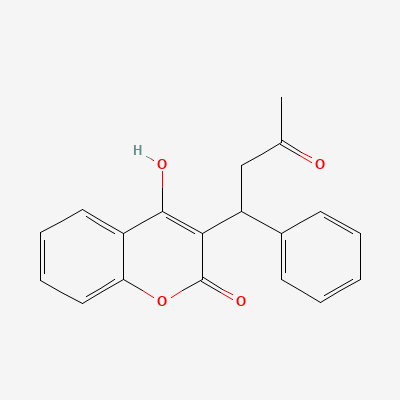
START
5 mg PO once daily × 2 days, then adjust to INR
TYPICAL MAX
individualized — no fixed daily ceiling
STOP IF
Active bleeding · INR >5 · pregnancy (teratogen)
WATCH
INR (target 2-3) · bleeding · drug/diet interactions
CDSCO approvedSchedule HJan AushadhiATC B01AA03
Dose laddermg/d
2.5start5standard start7.5titrate10max
Renal dose adjustmenteGFR mL/min/1.73m²
CAUTIONNo renal adjustment (hepatic clearance) — but bleed risk rises with CKD90

KDIGO 2024 + manufacturer label

Pharmacokineticsplasma · t hours
1dONSET4hPEAK1.7d4dDURATION
ONSET
1d · factor depletion begins
PEAK
4h · Cmax (PK, not clinical)
1.7d · plasma t½ (long)
DURATION
4d · anticoagulant duration after dose change (3-5 days)
EXCRETION
CYP2C9 + CYP3A4 hepatic · renal metabolites
route + CYP
INTERACTIONS
12 major
incl. contraindicated
PREGNANCY
Category X (1st trimester) → D — LMWH preferred
FDA category + note
Top interactionssee all 12
  • RivaroxabanContraindicatedDatabaseKimi deep-research + Cla
  • AllopurinolSevereTextbook-citedKDT 7e · p948
  • AmoxicillinSevereTextbook-citedKDT 7e · p948
  • AmpicillinSevereTextbook-citedKDT 7e · p948
Available in India

17 branded formulations. Look up specific brands in the Drugs workspace.

Jan Aushadhi — generic available at GoI pharmacies

Mechanism

Warfarin inhibits the enzyme Vitamin K epoxide reductase complex subunit 1 (VKORC1) in the liver. This prevents the regeneration of reduced vitamin K, a crucial cofactor for the gamma-carboxylation of clotting factors II (prothrombin), VII, IX, and X, as well as anticoagulant proteins C and S. Consequently, functionally inactive forms of these factors are produced, leading to a dose-dependent anticoagulant effect and prolonged clotting times.

Indications

Treatment and prophylaxis of venous thrombosis and its extension (e.g., deep vein thrombosis, pulmonary embolism)Prophylaxis and treatment of thromboembolic complications associated with atrial fibrillation and/or cardiac valve replacementReduction in the risk of death, recurrent myocardial infarction, and thromboembolic events such as stroke or systemic embolization after myocardial infarction (off-label, historically common)Prevention of recurrent transient ischemic attacks and stroke (off-label)patients at high risk for thrombotic disease (in supportive care for PAH)Prevent the progression of acute deep vein thrombosisPrevent the recurrence of acute deep vein thrombosisPrevent the progression of pulmonary embolismPrevent the recurrence of pulmonary embolismPrevent stroke in patients with atrial fibrillationPrevent systemic embolization in patients with atrial fibrillationPrevent stroke in patients with mechanical heart valvesPrevent systemic embolization in patients with mechanical heart valvesPrevent stroke in patients with ventricular assist devicesPrevent systemic embolization in patients with ventricular assist devicestreatment of venous thromboembolism (in tandem with parenteral anticoagulation)secondary prevention of venous thromboembolismprevention of stroke in atrial fibrillationprevention of stroke in patient with mechanical heart valves or ventricular assist devicesProphylaxis of deep vein thrombosisTreatment of deep vein thrombosisPulmonary embolism (treatment and prophylaxis)Transient ischaemic attacks (TIAs)Prevention of stroke in patients with atrial fibrillationRecurrent thromboembolismArterial disease (MI)Prosthetic heart valvesMaintenance therapy after initial heparinTreatment for deep venous thrombosis or pulmonary embolism in cancer patients (after initial heparinization)Mitral stenosis with atrial fibrillationMitral stenosis with a history of thromboembolismMitral stenosis with demonstrated left atrial thrombusReduction of risk for stroke or systemic embolism in at-risk patients with rheumatic mitral stenosisVTEstandard treatment for Antiphospholipid syndrome (APS)prophylaxis for VTE

Dosing

Adult
Initial dose typically 2-5 mg orally once daily. Titrate dose based on daily or alternate-day INR monitoring until stable therapeutic INR (usually 2.0-3.0 for most indications, 2.5-3.5 for mechanical mitral valves). Maintenance dose usually 2-10 mg orally once daily. Administration at the same time each day is recommended.
Pediatric
Not routinely recommended and should only be initiated under specialist supervision. Initial dose typically 0.1-0.2 mg/kg/day orally, with a maximum initial dose of 10 mg. Doses are adjusted based on INR.
Renal adjustment
No specific dose adjustment for mild to moderate renal impairment. Use with caution in severe renal impairment (CrCl <30 mL/min) due to increased bleeding risk; monitor INR more frequently.
Hepatic adjustment
Dose reduction is often necessary in hepatic impairment due to decreased synthesis of clotting factors and impaired metabolism of warfarin. Monitor INR closely. Avoid in severe hepatic disease.
Geriatric
Lower initial doses (e.g., 2 mg/day) are often appropriate due to increased sensitivity, higher risk of bleeding, and potential for more drug interactions. Close INR monitoring is crucial.
Max dose
Daily doses typically rarely exceed 10-15 mg, but the maximum dose is individualized based on INR response and patient factors.

Pharmacokinetics

Onset
Anticoagulant effect (reduction in procoagulant factors) within 24-72 hours. Full therapeutic effect (INR stabilization) takes 5-7 days.
Peak effect
INR response starts to be noticeable within 36-72 hours after initial dose, but stabilization to therapeutic range takes several days.
Duration
2-5 days after discontinuation.
Half-life
20-60 hours (average 40 hours) for the racemic mixture.
Bioavailability
Nearly 100% after oral administration.
Protein binding
Approximately 99% bound to plasma proteins, primarily albumin.
Metabolism
Hepatic metabolism via cytochrome P450 enzymes, primarily CYP2C9 (S-warfarin), CYP1A2, and CYP3A4 (R-warfarin).
Excretion
Metabolites excreted mainly in urine (92%) and feces (6%).

Contraindications

  • Pregnancy (causes fetal warfarin syndrome and fetal hemorrhage)
  • Active hemorrhage or increased tendency to bleed (e.g., hemophilia, severe thrombocytopenia)
  • Recent or contemplated surgery of the central nervous system or eye, or traumatic surgery resulting in large open surfaces
  • Intracranial hemorrhage
  • Severe uncontrolled hypertension
  • Aneurysms (cerebral, aortic)
  • Bacterial endocarditis
  • Pericarditis or pericardial effusion
  • Lumbar puncture or other diagnostic or therapeutic procedures with potential for uncontrollable bleeding
  • Severe hepatic disease (coagulopathy)
  • Unsupervised patients with senility, alcoholism, or psychosis where compliance is doubtful
  • Pregnancy
  • pregnancy (fetal risk)
  • Bleeding disorders
  • Severe hypertension (risk of cerebral haemorrhage)
  • G.I. ulcers (risk of aggravated bleeding)
  • Subacute bacterial endocarditis (risk of embolism)
  • Large malignancies (risk of bleeding in the central necrosed area of the tumour)
  • Ocular and neurosurgery
  • Lumbar puncture
  • Chronic alcoholics
  • Cirrhosis
  • Renal failure
  • Pregnancy (early pregnancy due to birth defects, later due to CNS defects, fetal haemorrhage, fetal death, neonatal hypoprothrombinemia)

Side effects

Common
Bleeding (minor, e.g., epistaxis, gum bleeding, bruising)NauseaVomitingDiarrheaAbdominal painBloatingFlatulenceBleeding (most common side effect; major bleeding generally less than 3% per year with INR 2-3)AlopeciaUrticariaDermatitisFeverAbdominal crampsAnorexiaBleeding (ecchymosis, epistaxis, hematuria, g.i.t. bleeding)DiarrhoeaBleeding (epistaxis, hematuria, gastrointestinal bleeding)arterial vascular calcification
Serious
  • Major hemorrhage (e.g., intracranial, retroperitoneal, gastrointestinal, genitourinary)
  • Warfarin-induced skin necrosis (rare, often due to rapid drop in Protein C)
  • Purple toe syndrome (rare, cholesterol microembolization)
  • Hepatotoxicity (elevated liver enzymes, jaundice)
  • Hypersensitivity reactions (rash, urticaria, anaphylaxis)
  • Alopecia
  • Priapism
  • bleeding (increased risk in CYP2C9 poor/intermediate metabolizers and with certain VKORC1 variants)
  • Intracranial hemorrhage (risk increases dramatically with INR greater than 4, but up to two-thirds occur with therapeutic INR)
  • Birth defects (fetal warfarin syndrome)
  • Abortion
  • Fetal or neonatal hemorrhage
  • Intrauterine death
  • Skin necrosis
  • Purple toe syndrome
  • Fatal calciphylaxis
  • Calcium uremic arteriolopathy
  • higher risk of bleeding (with low activity CYP2C9 variants)
  • depressed nose (teratogenic)
  • eye and hand defects (teratogenic)
  • growth retardation (teratogenic)
  • Intracranial or other internal haemorrhages (potentially fatal)
  • Cutaneous necrosis
  • Fetal warfarin syndrome (hypoplasia of nose, eye socket, hand bones, growth retardation, CNS defects, fetal haemorrhage, fetal death)
  • Life-threatening intracranial bleeding
  • Skin necrosis (rare)
  • Fetal abnormalities (nasal hypoplasia, stippled epiphyses, CNS abnormalities)
  • Fetal bleeding
  • major hemorrhage, including intracranial hemorrhage

Pregnancy & lactation

Pregnancy

Category X (1st trimester) → D — LMWH preferred

Lactation

Warfarin is considered compatible with breastfeeding. Studies indicate minimal transfer of active warfarin into breast milk, making it safe for nursing infants. Monitor infant for signs of bleeding.

Drug interactions

Rivaroxaban
Contraindicated
Database

Dual anticoagulation with no additional benefit but substantially increased bleeding risk.

Do not combine. Transition with appropriate overlap (start rivaroxaban when INR <3.0).

Source: Kimi deep-research + Cla

Allopurinol
Severe
Textbook-cited

Increased anticoagulant effect and bleeding risk.

Monitor INR and reduce warfarin dose as needed

Source: KDT 7e · p948

Amoxicillin
Severe
Textbook-cited

Elevated INR and increased bleeding risk.

Monitor INR closely; reduce anticoagulant dose if needed

Source: KDT 7e · p948

Ampicillin
Severe
Textbook-cited

Elevated INR and increased bleeding risk.

Monitor INR closely; reduce anticoagulant dose if needed

Source: KDT 7e · p948

Aspirin
Severe
Textbook-cited

Significantly increased bleeding risk, especially GI bleeding.

Avoid concurrent use

Source: KDT 7e · p949

Atazanavir
Severe
Textbook-cited

Elevated INR and bleeding risk

Avoid concurrent use or monitor INR and reduce dose

Source: KDT 7e · p948

Carbamazepine
Severe
Textbook-cited

Loss of anticoagulant effect; thromboembolic risk.

Avoid or increase warfarin dose with frequent INR monitoring

Source: KDT 7e · p949

Cefoperazone
Severe
Textbook-cited

Increased bleeding risk

Monitor INR and reduce anticoagulant dose

Source: KDT 7e · p948

Ceftriaxone
Severe
Textbook-cited

Increased bleeding risk.

Monitor INR and reduce anticoagulant dose

Source: KDT 7e · p948

Celecoxib
Severe
Textbook-cited

Significantly increased bleeding risk, especially GI bleeding.

Avoid concurrent use

Source: KDT 7e · p949

Ciprofloxacin
Severe
Textbook-cited

Increased anticoagulant effect and bleeding risk.

Monitor INR and reduce warfarin dose

Source: KDT 7e · p948

Clarithromycin
Severe
Textbook-cited

Elevated INR and bleeding risk.

Avoid concurrent use or monitor INR and reduce dose

Source: KDT 7e · p948

Related guidelines

Other Anticoagulant drugs

Ask House about Warfarin

Continue into a citation-backed clinical answer with the drug context already attached.

Sources: KD Tripathi 7e, Goodman & Gilman 14e, Harrison 22e, Katzung·Verified: 2026-06-01 · House clinical team·Cockpit curated: 2026-05-16