Drug lookup
Drug reference

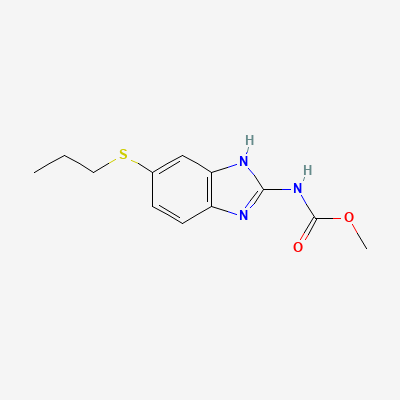
Albendazole

Anthelmintic

Also known as Albendazole sulfoxide, Albenza, Zentel
START
Confirm parasitic infection (stool microscopy, serology, imaging for cysts). Baseline CBC, LFTs. Pregnancy test for women of childbearing potential. For neurocysticercosis: start corticosteroids 1-2 days before albendazole.
TYPICAL MAX
800 mg/day (400 mg BID). Do not exceed.
STOP IF
ALT/AST >3x ULN, neutropenia <1000/uL, severe hypersensitivity, suspected aplastic anemia, pregnancy
WATCH
LFTs at baseline and every 2 weeks during prolonged therapy, CBC (neutropenia), pregnancy status, seizure frequency (neurocysticercosis)
CDSCO approvedSchedule HJan AushadhiNPPA price-controlledATC P02CA03
Dose laddermg/d
200start400titrate800ceiling
Renal dose adjustmenteGFR mL/min/1.73m²
FULLNo adjustment required1590

KDIGO 2024 + manufacturer label

Pharmacokineticsplasma · t hours
53minONSET3.5hPEAK10h4wDURATION
ONSET
53min · absorption onset
PEAK
3.5h · 2-5 h (active sulfoxide metabolite)
10h · 8-12 h (sulfoxide metabolite)
DURATION
4w · 28-day cycle (hydatid disease)
EXCRETION
Biliary/fecal major; minimal renal; hepatic metabolism to active
route + CYP
INTERACTIONS
2 major
SEVERE in our sources
PREGNANCY
Avoid in pregnancy (esp. first trimester) — teratogenic/embryotoxic in animals at low multiples of the human dose. FDA: obtain a pregnancy test before therapy; effective contraception during and for 1 month after. Single-dose deworming exposure has not shown increased fetal risk in published studies.
FDA category + note
Top interactionssee all 12
  • CladribineSevereDatabaseDDInter
  • ClozapineSevereDatabaseDDInter
Available in India

852 branded formulations and 13 fixed-dose combinations. Look up specific brands in the Drugs workspace.

Jan Aushadhi — generic available at GoI pharmacies

Mechanism

Albendazole is a broad-spectrum benzimidazole anthelmintic that inhibits parasite microtubule polymerization by binding to beta-tubulin. This binding prevents the assembly of alpha- and beta-tubulin dimers into functional microtubules, disrupting cellular transport, nutrient uptake, and structural integrity of the parasite. The drug also inhibits glucose uptake by the parasite, depleting glycogen stores. Albendazole itself has limited systemic bioavailability; its active metabolite, albendazole sulfoxide (formed by hepatic flavin monooxygenases and cytochrome P450 enzymes), is responsible for the systemic anthelmintic activity.

Indications

Neurocysticercosis (Taenia solium larval cysts in brain/muscle) — in combination with corticosteroids and anticonvulsantsHydatid disease (Echinococcus granulosus) — cysts in liver, lung, peritoneumSoil-transmitted helminthiasis (Ascaris lumbricoides, hookworm — Ancylostoma/Necator, Trichuris trichiura)Strongyloidiasis (Strongyloides stercoralis)Enterobiasis (pinworm — Enterobius vermicularis)Cutaneous larva migransFilariasis (lymphatic — Wuchereria bancrofti, Brugia malayi; loiasis — Loa loa — adjunctive)Giardiasis (Giardia lamblia/intestinalis — off-label)

Dosing

Adult
Hydatid disease: ≥60 kg: 400 mg PO BID with meals x 28 days, then 14-day albendazole-free interval; repeat for 3 cycles. <60 kg: 15 mg/kg/day (max 800 mg/day) divided BID. Neurocysticercosis: same dosing x 8-30 days with corticosteroids. STH: 400 mg PO single dose. Enterobiasis: 400 mg PO single dose; repeat in 2 weeks. Strongyloidiasis: 400 mg PO BID x 7 days.
Pediatric
Hydatysticercosis (≥1 year): 15 mg/kg/day (max 800 mg) divided BID x 8-30 days. STH (≥1 year): 400 mg PO single dose. Enterobiasis: 400 mg single dose; repeat in 2 weeks. <2 years: 200 mg single dose for STH.
Renal adjustment
No adjustment required; minimal renal excretion.
Hepatic adjustment
Monitor LFTs closely; reduced hepatic metabolism may increase toxicity. Use caution in hepatic impairment.
Geriatric
No specific adjustment; monitor LFTs and CBC.
Max dose
800 mg/day (400 mg BID)

Pharmacokinetics

Onset
Parasite killing occurs over days to weeks; clinical improvement in STH within 48-72 hours.
Peak effect
Oral: peak plasma of active metabolite (albendazole sulfoxide) at 2-5 hours. Food (especially high-fat meal) increases bioavailability 3-5 fold.
Duration
Single-dose STH: days. Hydatid: 28-day cycles. Terminal half-life of sulfoxide metabolite: 8-12 hours.
Half-life
Albendazole parent: ~1 hour. Active sulfoxide metabolite: 8-12 hours.
Bioavailability
Poor: <5% (parent). Improved 3-5x with high-fat meal. Active sulfoxide metabolite is the primary circulating moiety.
Protein binding
~70% (albendazole sulfoxide bound to plasma proteins).
Metabolism
Extensive first-pass hepatic metabolism via flavin monooxygenases (FMO) and CYP450 to active sulfoxide metabolite; further oxidation to inactive sulfone.
Excretion
Biliary/fecal (major); minimal renal excretion.

Contraindications

  • Hypersensitivity to albendazole or other benzimidazoles
  • Pregnancy (teratogenic in animals; embryotoxic and fetotoxic)
  • Cysticercosis involving the eye (ocular cysticercosis — inflammation may damage retina)

Side effects

Common
Elevated liver enzymes (transient, usually asymptomatic)Abdominal pain, nauseaHeadache, dizzinessReversible alopecia (hair loss)Fever
Serious
  • Bone marrow suppression (neutropenia, pancytopenia, aplastic anemia — rare but fatal)
  • Hepatotoxicity (acute liver failure, elevated transaminases >3x ULN)
  • Retinal/periocular damage (in ocular cysticercosis — contraindicated)
  • Severe hypersensitivity (SJS, TEN)
  • Teratogenicity (contraindicated in pregnancy)
  • Cerebral hypertensive episodes (during neurocysticercosis treatment — requires corticosteroid cover)

Pregnancy & lactation

Pregnancy

Avoid in pregnancy (esp. first trimester) — teratogenic/embryotoxic in animals at low multiples of the human dose. FDA: obtain a pregnancy test before therapy; effective contraception during and for 1 month after. Single-dose deworming exposure has not shown increased fetal risk in published studies.

Lactation

Excreted in breast milk in low concentrations. Caution advised. Consider risk-benefit. Avoid single-day therapy during breastfeeding if possible.

Drug interactions

Cladribine
Severe
Database

Drug interaction classified as: synergy

Source: DDInter

Clozapine
Severe
Database

Drug interaction classified as: synergy

Source: DDInter

Glucocorticoids
Moderate
Textbook

Increased plasma levels of albendazole sulfoxide. In neurocysticercosis, glucocorticoids are often started before albendazole to reduce side effects from inflammatory reactions.

Glucocorticoid therapy is usually begun before initiating albendazole therapy and continued for several days after commencement of therapy to reduce the incidence of side effects resulting from inflammatory reactions.

Source: G&G 14e · p1325-1334

Antiepileptics
Moderate
Database

CYP inducers reduce plasma levels of albendazole sulfoxide by increasing metabolism, potentially reducing anthelmintic efficacy.

Monitor for treatment failure (persistent parasites). May need higher albendazole dose or alternative anthelmintic. Consider switching to non-inducing antiepileptic (valproate, levetiracetam) if feasible.

Source: Kimi deep-research + Cla

Carbamazepine
Moderate
Database

Decreased plasma concentrations of albendazole sulfoxide, potentially leading to reduced therapeutic effect.

Monitor for reduced efficacy of albendazole. Consider increasing albendazole dose if clinically indicated and tolerated, or consider alternative anthelmintic if possible.

Source: DDInter

Cimetidine
Moderate
Database

Cimetidine inhibits metabolism and increases plasma concentration of albendazole active metabolite, potentially increasing efficacy but also toxicity.

May be used therapeutically to increase albendazole levels (e.g., for hydatid disease). Monitor LFTs. If unintended, watch for increased side effects.

Source: Kimi deep-research + Cla

Dexamethasone
Moderate
Database

Dexamethasone increases albendazole sulfoxide plasma levels by ~50% via inhibition of metabolism or displacement from protein binding. Used therapeutically in neurocysticercosis but increases hepatotoxicity risk.

Standard combination for neurocysticercosis. Monitor LFTs closely. Beneficial interaction in this context.

Source: Kimi deep-research + Cla

Grapefruit Juice
Moderate
Database

Grapefruit juice inhibits intestinal CYP3A4 and P-gp, increasing albendazole bioavailability and plasma levels.

Avoid grapefruit juice during albendazole therapy to prevent unpredictable increases in drug levels and toxicity.

Source: Kimi deep-research + Cla

Phenobarbital
Moderate
Database

Decreased plasma concentrations of albendazole sulfoxide, potentially leading to reduced therapeutic effect.

Monitor for reduced efficacy of albendazole. Consider increasing albendazole dose if clinically indicated and tolerated, or consider alternative anthelmintic if possible.

Source: DDInter

Phenytoin
Moderate
Database

Decreased plasma concentrations of albendazole sulfoxide, potentially leading to reduced therapeutic effect.

Monitor for reduced efficacy of albendazole. Consider increasing albendazole dose if clinically indicated and tolerated, or consider alternative anthelmintic if possible.

Source: DDInter

Praziquantel
Moderate
Database

Albendazole increases praziquantel plasma levels (inhibition of metabolism). Combined use enhances cysticidal effect for neurocysticercosis but increases adverse effects.

Standard combination for neurocysticercosis. Monitor LFTs and adverse effects. Ensure corticosteroid cover.

Source: Kimi deep-research + Cla

Ritonavir
Moderate
Database

Potential for increased plasma levels of albendazole sulfoxide.

Caution is advised when using high doses of albendazole together with drugs that inhibit hepatic CYPs, such as ritonavir.

Source: DDInter

Related guidelines

Other Anthelmintic drugs

Ask House about Albendazole

Continue into a citation-backed clinical answer with the drug context already attached.

Sources: KD Tripathi 7e, Goodman & Gilman 14e, Harrison 22e, Katzung·Verified: 2026-05-18 · House clinical team·Cockpit curated: 2026-05-18