Drug lookup
Drug reference

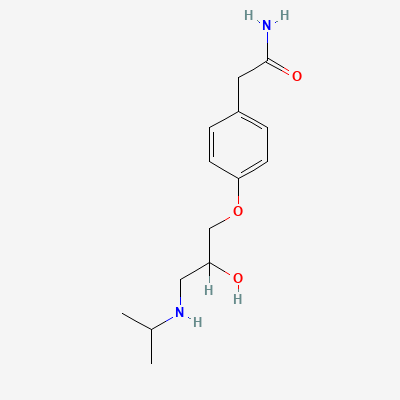
Atenolol

Beta Blocker · Antihypertensive

Also known as Aten, Betacard, Tenolol, Coroten, Olon
START
25-50 mg PO once daily
TYPICAL MAX
100 mg/day
STOP IF
Severe bradycardia · 2nd-3rd degree AV block · decompensated HF · severe peripheral vascular disease
WATCH
HR · BP · fatigue · cold extremities
CDSCO approvedSchedule HJan AushadhiNPPA price-controlledATC C07AB03
Dose laddermg/d
25start50standard100max
Renal dose adjustmenteGFR mL/min/1.73m²
FULLFull dose30REDUCEReduce 50% (max 50…15REDUCEReduce 75% (max 25…90

KDIGO 2024 + manufacturer label

Pharmacokineticsplasma · t hours
1hONSET3hPEAK7h1dDURATION
ONSET
1h · β-blockade onset
PEAK
3h · Cmax
7h · plasma t½
DURATION
1d · once-daily dosing window
EXCRETION
85% renal unchanged · no CYP metabolism
route + CYP
INTERACTIONS
12 major
SEVERE in our sources
PREGNANCY
Category D — fetal growth restriction; labetalol preferred
FDA category + note
Top interactionssee all 12
  • LidocaineSevereTextbook-citedKDT 7e · p950
  • AdrenalineSevereTextbookKDT 7e · p133
  • AmilorideSevereTextbookKDT 7e
  • SofosbuvirSevereTextbookHarrison 22e · unknown
Available in India

3,412 branded formulations and 284 fixed-dose combinations. Look up specific brands in the Drugs workspace.

Jan Aushadhi — generic available at GoI pharmacies

Mechanism

Atenolol selectively blocks beta-1 adrenergic receptors primarily located in the heart, reducing heart rate, myocardial contractility, and cardiac output. This leads to a decrease in blood pressure and myocardial oxygen demand. It also inhibits renin release from the juxtaglomerular cells in the kidneys, contributing to its antihypertensive effect.

Indications

HypertensionAngina pectorisCardiac arrhythmias (e.g., supraventricular tachycardias)Myocardial infarction (early intervention and long-term prophylaxis)Migraine prophylaxis (off-label)Anxiety (off-label, for symptomatic relief of somatic manifestations)coronary heart diseasearrhythmiasreduce risk of heart complications following myocardial infarctionhypertension accompanying Graves diseasesymptomatic treatment of thyrotoxicosisAnginaPrevention of arrhythmiasRate control in atrial fibrillationMigraine

Dosing

Adult
Hypertension: Initial 25-50 mg orally once daily; may increase to 100 mg once daily after 1-2 weeks if needed. Angina pectoris: Initial 50 mg orally once daily; may increase to 100 mg once daily after 1 week. Arrhythmias: 50-100 mg orally once daily. Acute MI (Oral follow-up): 50 mg orally 12 hours after IV dose, then 100 mg once daily or 50 mg twice daily for 6-9 days.
Pediatric
Not routinely recommended for pediatric use. If used, dose should be individualized based on weight (e.g., 0.5-1 mg/kg/day, max 100mg/day).
Renal adjustment
Creatinine Clearance (CrCl) 15-35 mL/min: Max 50 mg once daily. CrCl <15 mL/min: Max 25 mg once daily or 50 mg every other day. Hemodialysis: 25-50 mg after each dialysis session.
Hepatic adjustment
No specific dose adjustment required for hepatic impairment as atenolol is minimally metabolized by the liver.
Geriatric
Initiate with lower doses (e.g., 25 mg once daily) and titrate slowly, monitoring for exaggerated hypotensive or bradycardic effects due to potential for reduced renal function and increased sensitivity.
Max dose
100 mg orally once daily

Pharmacokinetics

Onset
Oral: 1 hour
Peak effect
Oral: 2-4 hours
Duration
24 hours
Half-life
6-7 hours (prolonged in renal impairment)
Bioavailability
Oral: Approximately 40-50%
Protein binding
<10%
Metabolism
Minimal hepatic metabolism (<10%).
Excretion
Primarily excreted unchanged by the kidneys (approx. 85-100% of absorbed dose).

Contraindications

  • Sinus bradycardia (<50 bpm)
  • Second- or third-degree atrioventricular (AV) block
  • Sick sinus syndrome
  • Cardiogenic shock
  • Uncontrolled decompensated heart failure
  • Severe peripheral arterial disease
  • Phaeochromocytoma (untreated)
  • Metabolic acidosis
  • Severe asthma or chronic obstructive pulmonary disease (COPD)
  • Hypotension
  • abrupt discontinuation (withdrawal syndrome)
  • Asthma
  • AV block (grade 2-3)

Side effects

Common
BradycardiaFatigue/LethargyDizzinessNauseaDiarrheaCold extremitiesMuscle fatigueSleep disturbances/Insomniafewer CNS side effects (depression, nightmares)fewer bronchospastic reactionsBronchospasmPeripheral vasoconstrictionWorsening of acute heart failureDepressionWorsening of psoriasisIncreased triglyceridesDecreased HDL cholesterolSide effects related to CNS action are less likelyNo deleterious effects on lipid profile
Serious
  • Exacerbation of heart failure
  • Severe bradycardia or AV block
  • Bronchospasm (especially in patients with underlying lung disease)
  • Hypotension
  • Peripheral vascular insufficiency exacerbation
  • Masking of hypoglycemia symptoms
  • Rebound hypertension/angina upon abrupt discontinuation
  • Elevated LFTs and/or bilirubin, Hallucinations, Psoriatic rash, Thrombocytopenia, Visual disturbances, Dry mouth, Neonatal hypoglycemia risk from maternal use.
  • life-threatening bradyarrhythmias (with AV conduction defects or other drugs)
  • exacerbation of angina (abrupt discontinuation)
  • increased risk of sudden death (abrupt discontinuation)
  • blunted recognition/delayed recovery from hypoglycemia
  • increased risk of all-cause mortality, cardiovascular mortality, stroke (compared to other active treatments)
  • Withdrawal syndrome (rebound hypertension, exacerbation of CAD symptoms)
  • Severe hypertension and bradycardia (if used with epinephrine in nonselective beta blockers)

Pregnancy & lactation

Pregnancy

Category D — fetal growth restriction; labetalol preferred

Lactation

Atenolol is excreted into breast milk. Monitor infants for signs of beta-blockade (bradycardia, hypotension, cyanosis). Use with caution, or consider alternatives with less excretion into milk.

Drug interactions

Lidocaine
Severe
Textbook-cited

Enhanced bradycardia and hypotension.

Avoid concurrent use

Source: KDT 7e · p950

Adrenaline
Severe
Textbook

Marked rise in BP.

Adrenaline should not be given to patients receiving β blockers.

Source: KDT 7e · p133

Amiloride
Severe
Textbook

Hyperkalaemia more likely.

Source: KDT 7e

Sofosbuvir
Severe
Textbook

Severe bradycardia.

Extreme caution advised if amiodarone is co-administered with sofosbuvir and a beta blocker.

Source: Harrison 22e · unknown

Aminophylline
Severe
Database

Drug interaction classified as: antagonism

Source: DDInter

Atazanavir
Severe
Database

Drug interaction classified as: synergy

Source: DDInter

Ceritinib
Severe
Database

Drug interaction classified as: synergy

Source: DDInter

Clonidine
Severe
Database

Drug interaction classified as: synergy.

Source: DDInter

Diltiazem
Severe
Database

Increased propensity for AV block, severe bradycardia, and decreased left ventricular function.

Avoid concurrent administration. The concurrent administration of diltiazem with a beta blocker is contraindicated.

Source: DDInter

Disopyramide
Severe
Database

Drug interaction classified as: synergy

Source: DDInter

Dolasetron
Severe
Database

Drug interaction classified as: synergy.

Source: DDInter

Dyphylline
Severe
Database

Drug interaction classified as: antagonism

Source: DDInter

Related guidelines

Other Beta Blocker drugs

Ask House about Atenolol

Continue into a citation-backed clinical answer with the drug context already attached.

Sources: KD Tripathi 7e, Goodman & Gilman 14e, Katzung, BNF·Verified: 2026-05-17 · House clinical team·Cockpit curated: 2026-05-16