Drug lookup
Drug reference

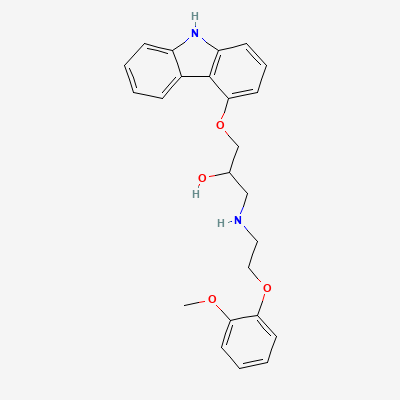
Carvedilol

Beta Blocker · Antihypertensive

START
3.125 mg PO BID (HFrEF) · 6.25 mg BID (HTN)
TYPICAL MAX
25 mg BID (<85 kg) or 50 mg BID (>85 kg) for HF
STOP IF
Cardiogenic shock · acute decompensated HF · severe bradycardia · 2°-3° AV block · severe asthma
WATCH
HR · BP · weight (HF) · fatigue at uptitration
CDSCO approvedATC C07AG02
Dose laddermg/d
3.13HF start6.25titrate12.5titrate25max50ceiling
Renal dose adjustmenteGFR mL/min/1.73m²
FULLNo renal adjustment (hepatic CYP2D6/3A4)90

KDIGO 2024 + manufacturer label

Pharmacokineticsplasma · t hours
1hONSET1.5hPEAK7h12hDURATION
ONSET
1h · β-blockade onset
PEAK
1.5h · Cmax
7h · plasma t½
DURATION
12h · BID dosing window
EXCRETION
Hepatic CYP2D6/2C9 · biliary excretion
route + CYP
INTERACTIONS
12 major
SEVERE in our sources
PREGNANCY
Category C — limited data; labetalol preferred
FDA category + note
Top interactionssee all 12
  • LidocaineSevereTextbook-citedKDT 7e · p950
  • AdrenalineSevereTextbookKDT 7e · p133
  • AmilorideSevereTextbookKDT 7e
  • SofosbuvirSevereTextbookHarrison 22e · unknown
Available in India

178 branded formulations. Look up specific brands in the Drugs workspace.

Mechanism

Carvedilol is a beta-blocker that also possesses an arteriolar vasodilating action through diverse mechanisms, thereby lowering peripheral resistance. As a beta-blocker, it slows the heart rate and can depress myocardial function, primarily by attenuating the effects of the sympathetic nervous system on cardiac automaticity and conductivity.

Indications

HypertensionReduction of mortality in any grade of stable heart failurecongestive heart failureleft ventricular dysfunction following myocardial infarctionheart failureanginaprevention of arrhythmiasrate control in atrial fibrillationmigraineSymptomatic heart failureCHFmild to moderate (NYHA class II, III) dilated cardiomyopathy with systolic dysfunction (as add-on to ACE inhibitor ± diuretic, digitalis)

Dosing

Adult
Hypertension: Initially 12.5 mg once daily for 2 days, then increased to 25 mg once daily.
Renal adjustment
No adjustment for mild-moderate renal impairment; caution in severe (hepatic clearance dominant)
Hepatic adjustment
Contraindicated in clinically manifest hepatic impairment (FDA Coreg label); no adjustment needed for mild impairment

Pharmacokinetics

Peak effect
1 to 2 h (peak plasma concentrations)
Half-life
7 to 10 h
Bioavailability
25%; S-(–): 15%; R-(+): 31%
Protein binding
highly lipophilic, >95% protein bound
Metabolism
metabolized by hepatic CYPs 2D6 and 2C9; stereoselective first-pass metabolism (S(-)-carvedilol cleared more rapidly)
Excretion
<2%

Contraindications

  • Second-degree AV block
  • Third-degree AV block
  • Worsening unstable heart failure
  • History of asthma
  • Bronchospasm
  • Obstructive airways disease
  • Cardiogenic shock
  • Hypotension
  • Marked bradycardia
  • Metabolic acidosis
  • Phaeochromocytoma (unless used with alpha-blockers)
  • Prinzmetal’s angina
  • Severe peripheral arterial disease
  • Sick sinus syndrome
  • Uncontrolled heart failure
  • abrupt discontinuation (withdrawal syndrome)
  • Asthma
  • AV block (grade 2-3)
  • decompensated heart failure
  • acute heart failure episode (should be stopped)
  • worsening of heart failure upon introduction
  • asymptomatic left ventricular dysfunction
  • Contraindicated in high-grade heart block

Side effects

Common
FatigueColdness of the extremitiesSleep disturbances with nightmaresbradycardiahypotensionfluid retentiondizzinessBronchospasmPeripheral vasoconstrictionWorsening of acute heart failureDepressionWorsening of psoriasisIncreased triglyceridesDecreased HDL cholesterolAsthmaExercise intoleranceImpaired concentration
Serious
  • Bronchospasm
  • Depression of the myocardium
  • Precipitation or exacerbation of heart failure
  • Excessive bradycardia
  • Intra-uterine growth restriction
  • Neonatal hypoglycaemia
  • Neonatal bradycardia
  • Rebound worsening of myocardial ischaemia (with abrupt withdrawal)
  • Increased sensitivity to allergens leading to more serious hypersensitivity response
  • Reduced response to adrenaline (epinephrine)
  • life-threatening bradyarrhythmias (with AV conduction defects or other drugs)
  • exacerbation of angina (abrupt discontinuation)
  • increased risk of sudden death (abrupt discontinuation)
  • blunted recognition/delayed recovery from hypoglycemia
  • AV block
  • worsening of acute heart failure
  • depression
  • worsening of psoriasis
  • Withdrawal syndrome (rebound hypertension, exacerbation of CAD symptoms)
  • Severe hypertension and bradycardia (if used with epinephrine)

Pregnancy & lactation

Pregnancy

Category C — limited data; labetalol preferred

Lactation

Infants should be monitored as there is a risk of possible toxicity due to beta-blockade; however, the amount of most beta-blockers present in milk is typically too small to affect infants.

Drug interactions

Lidocaine
Severe
Textbook-cited

Enhanced bradycardia and hypotension.

Avoid concurrent use

Source: KDT 7e · p950

Adrenaline
Severe
Textbook

Marked rise in BP.

Adrenaline should not be given to patients receiving β blockers.

Source: KDT 7e · p133

Amiloride
Severe
Textbook

Hyperkalaemia more likely.

Source: KDT 7e

Sofosbuvir
Severe
Textbook

Severe bradycardia.

Extreme caution advised if amiodarone is co-administered with sofosbuvir and a beta blocker.

Source: Harrison 22e · unknown

Aminophylline
Severe
Database

Drug interaction classified as: antagonism

Source: DDInter

Arformoterol
Severe
Database

Drug interaction classified as: antagonism.

Source: DDInter

Atazanavir
Severe
Database

Drug interaction classified as: synergy

Source: DDInter

Berotralstat
Severe
Database

Drug interaction classified as: absorption

Source: DDInter

Betrixaban
Severe
Database

Drug interaction classified as: others

Source: DDInter

Ceritinib
Severe
Database

Drug interaction classified as: synergy

Source: DDInter

Clonidine
Severe
Database

Increased risk of severe bradycardia and hypotension. Risk of rebound hypertension if clonidine is abruptly withdrawn.

Avoid abrupt withdrawal of clonidine. If clonidine needs to be discontinued, gradually reduce its dose over several days while monitoring blood pressure. Monitor heart rate and blood pressure closely during co-administration.

Source: DDInter

Colchicine
Severe
Database

Drug interaction classified as: excretion.

Source: DDInter

Related guidelines

Other Beta Blocker drugs

Ask House about Carvedilol

Continue into a citation-backed clinical answer with the drug context already attached.

Sources: KD Tripathi 7e, Goodman & Gilman 14e, Harrison 22e, Katzung·Verified: 2026-05-17 · House clinical team·Cockpit curated: 2026-05-16