Drug lookup
Drug reference

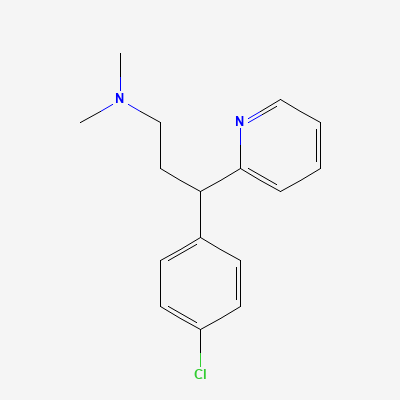
Chlorpheniramine

Antihistamine · Antiallergic, H1-receptor antagonist

Also known as Chlorphenamine, Chlorpheniramine Maleate

START
4 mg PO every 4-6 hours PRN (adults); 2 mg every 4-6 hours (geriatric)
TYPICAL MAX
24 mg/day (adults); 12 mg/day (geriatric and children 6-11 yrs); 6 mg/day (children 2-5 yrs)
STOP IF
Severe hypersensitivity (anaphylaxis, angioedema), paradoxical excitation, urinary retention, acute angle-closure glaucoma, severe sedation/confusion (elderly)
WATCH
Sedation and psychomotor impairment (driving/operating machinery), anticholinergic effects (dry mouth, constipation, urinary retention, blurred vision), paradoxical excitation in children/elderly, BPH/urinary retention symptoms
CDSCO approvedSchedule HJan AushadhiNPPA price-controlledATC R06AB04
Dose laddermg/d
2start4titrate10titrate24ceiling
Renal dose adjustmenteGFR mL/min/1.73m²
FULLFull dose: 4 mg every 4-6 hours PRN (adults)30REDUCEReduce dose by 50% or extend interva…90

KDIGO 2024 + manufacturer label

Pharmacokineticsplasma · t hours
1hONSET4hPEAK13.5h6hDURATION
ONSET
1h · 0.5-1 h (oral); minutes (parenteral)
PEAK
4h · 2-6 h (oral Cmax); 15-30 min (parenteral)
13.5h · 12-15 h (oral); 21-27 h (terminal)
DURATION
6h · 4-8 h (Q4-6H dosing)
EXCRETION
~20-30% renal unchanged · hepatic CYP2D6 metabolism
route + CYP
INTERACTIONS
9 major
incl. contraindicated
PREGNANCY
Risk cannot be ruled out. Animal studies have not shown teratogenicity, but human data are limited. Use only if clearly needed and benefits outweigh risks. Generally considered relatively safe for short-term use in pregnancy, but avoid in third trimester near delivery (risk of neonatal withdrawal/irritability).
FDA category + note
Top interactionssee all 9
  • Monoamine Oxidase InhibitorsContraindicatedDatabaseKimi deep-research + Cla
  • AlcoholSevereDatabaseKimi deep-research + Cla
  • DextropropoxypheneSevereDatabaseDDInter
  • Other Cns DepressantsSevereDatabaseKimi deep-research + Cla
Available in India

66 branded formulations and 2,049 fixed-dose combinations. Look up specific brands in the Drugs workspace.

Jan Aushadhi — generic available at GoI pharmacies

Mechanism

Chlorpheniramine is a first-generation alkylamine antihistamine that competitively antagonizes histamine H1 receptors on target cells. By blocking histamine binding, it prevents histamine-mediated effects including vasodilation, increased vascular permeability, itching, and bronchoconstriction. Unlike second-generation antihistamines, chlorpheniramine readily crosses the blood-brain barrier and has significant anticholinergic properties, producing sedative, antiemetic, and anti-motion sickness effects.

Indications

Symptomatic relief of allergic rhinitis (seasonal and perennial)Symptomatic relief of urticaria and angioedemaAllergic conjunctivitis (adjunctive therapy)Pruritus due to allergic conditionsCommon cold (symptomatic relief of rhinorrhea and sneezing)Adjunctive treatment of anaphylaxis and anaphylactoid reactions (with epinephrine and corticosteroids)Prevention and treatment of allergic reactions to blood products and radiocontrast mediaMild allergic reactions to insect bites and stings

Dosing

Adult
Oral: 4 mg every 4-6 hours as needed. Maximum 24 mg/day. Parenteral (IM/IV/SC): 10-20 mg (typically 10 mg) as a single dose for severe allergic reactions, usually in conjunction with epinephrine.
Pediatric
Oral: 2-5 years: 1 mg every 4-6 hours (max 6 mg/day). 6-11 years: 2 mg every 4-6 hours (max 12 mg/day). ≥12 years: Adult dosing. Parenteral (severe reactions): 0.25-0.5 mg/kg/dose IV/IM/SC (max 10 mg/dose). Not recommended for children <2 years.
Renal adjustment
Use with caution in severe renal impairment (CrCl <30 mL/min or eGFR <30). Consider dose reduction of 50% or increased dosing interval to every 8-12 hours to avoid accumulation and increased anticholinergic/CNS side effects. Monitor for excessive sedation and urinary retention.
Hepatic adjustment
Use with caution in patients with hepatic impairment. Dose reduction may be necessary, starting with lower doses and monitoring for increased side effects (sedation, confusion, anticholinergic effects).
Geriatric
Start with 2 mg every 4-6 hours (half the usual adult dose) due to increased sensitivity to anticholinergic effects, sedation, and risk of falls. Maximum 12 mg/day. Monitor for confusion, urinary retention, constipation, and dry mouth.
Max dose
Oral: 24 mg/day (adults); 12 mg/day (geriatric); 12 mg/day (children 6-11 years); 6 mg/day (children 2-5 years). Parenteral: 20 mg/dose; 40 mg/day (adults)

Pharmacokinetics

Onset
30-60 minutes after oral administration; parenteral: rapid (within minutes).
Peak effect
Oral: 2-6 hours (Cmax); parenteral: 15-30 minutes.
Duration
4-8 hours (supports Q4-6H dosing); may be prolonged in elderly and patients with renal/hepatic impairment.
Half-life
12-15 hours (oral dosing in healthy adults); terminal elimination half-life 21-27 hours. Prolonged in elderly and renal impairment.
Bioavailability
Approximately 25-34% (oral; due to extensive first-pass metabolism).
Protein binding
Approximately 69-72% (primarily to albumin).
Metabolism
Extensively metabolized in the liver primarily via CYP2D6 (N-demethylation) to desmethylchlorpheniramine (active metabolite) and didesmethylchlorpheniramine. CYP2D6 poor metabolizers may have higher plasma concentrations and increased sedation.
Excretion
Primarily renal: mainly as unchanged drug and metabolites. Approximately 20-30% excreted unchanged in urine. Fecal excretion accounts for a small proportion. Renal impairment prolongs elimination.

Contraindications

  • Hypersensitivity to chlorpheniramine, other antihistamines, or any component of the formulation
  • Acute asthma attack (antihistamines may dry and thicken bronchial secretions, worsening airway obstruction)
  • Narrow-angle glaucoma (anticholinergic effects may increase intraocular pressure)
  • Lower respiratory tract symptoms (antihistamines may suppress cough reflex and thicken secretions)
  • Severe hypertension or severe coronary artery disease
  • Concurrent use with MAOIs or within 14 days of discontinuing MAOIs (risk of hypertensive crisis and anticholinergic toxicity)
  • Urinary retention due to bladder neck obstruction or prostatic hypertrophy (anticholinergic effects may worsen retention)
  • Pyloroduodenal obstruction
  • Stenosing peptic ulcer
  • Newborn and premature infants

Side effects

Common
Drowsiness/sedation (most common; dose-related)Dry mouthDizzinessBlurred vision (anticholinergic effect)Constipation (anticholinergic effect)Urinary retention (anticholinergic effect)HeadacheNauseaFatigueThickening of bronchial secretions
Serious
  • Paradoxical excitation (especially in children and elderly — hyperactivity, irritability, insomnia, hallucinations)
  • Seizures (rare; may occur with overdose or in patients with seizure disorders)
  • Arrhythmias (rare; tachycardia, palpitations, especially with overdose)
  • Severe hypersensitivity reactions (anaphylaxis, angioedema, severe skin reactions)
  • Blood dyscrasias (agranulocytosis, hemolytic anemia — very rare)
  • Hepatotoxicity (rare)
  • Acute angle-closure glaucoma (in patients with narrow-angle glaucoma)
  • Urinary retention requiring catheterization

Pregnancy & lactation

Pregnancy

Risk cannot be ruled out. Animal studies have not shown teratogenicity, but human data are limited. Use only if clearly needed and benefits outweigh risks. Generally considered relatively safe for short-term use in pregnancy, but avoid in third trimester near delivery (risk of neonatal withdrawal/irritability).

Lactation

Chlorpheniramine is excreted in breast milk in small amounts. May cause drowsiness or irritability in the breastfed infant and may decrease milk supply due to anticholinergic effects. Use with caution; consider alternative antihistamines (e.g., loratadine, cetirizine) which are preferred during breastfeeding. If used, monitor infant for sedation, poor feeding, and irritability.

Drug interactions

Monoamine Oxidase Inhibitors
Contraindicated
Database

MAOIs inhibit the metabolism of antihistamines and potentiate their anticholinergic and CNS effects. Concurrent use can cause hypertensive crisis (due to potentiation of sympathomimetic amines), severe anticholinergic toxicity (hyperpyrexia, urinary retention, delirium), and respiratory depression. Fatalities have been reported.

CONTRAINDICATED. Do not use chlorpheniramine within 14 days of discontinuing an MAOI. If antihistamine therapy is needed, consider second-generation antihistamines (loratadine, cetirizine) which have fewer interactions with MAOIs.

Source: Kimi deep-research + Cla

Alcohol
Severe
Database

Additive CNS depression. Chlorpheniramine is a first-generation antihistamine with significant sedative properties. Alcohol potentiates these effects, causing excessive drowsiness, impaired judgment, respiratory depression, and increased risk of accidents and falls.

Advise complete abstinence from alcohol while taking chlorpheniramine. If alcohol is consumed, patient should avoid driving or operating machinery. Monitor for excessive sedation, especially in elderly patients.

Source: Kimi deep-research + Cla

Dextropropoxyphene
Severe
Database

Drug interaction classified as: synergy, metabolism

Source: DDInter

Other Cns Depressants
Severe
Database

Additive CNS depression. Concurrent use produces profound sedation, impaired cognition, respiratory depression (especially with opioids/benzodiazepines), hypotension, and increased risk of falls and accidents. Risk is highest in elderly patients.

Avoid concurrent use if possible. If combination is necessary, use lowest effective doses of both agents. Monitor respiratory rate, level of consciousness, and blood pressure. Consider non-sedating alternatives (e.g., cetirizine instead of chlorpheniramine).

Source: Kimi deep-research + Cla

Potassium Chloride
Severe
Database

Drug interaction classified as: absorption.

Source: DDInter

Potassium Citrate
Severe
Database

Drug interaction classified as: synergy

Source: DDInter

Sodium Oxybate
Severe
Database

Drug interaction classified as: synergy

Source: DDInter

Topiramate
Severe
Database

Drug interaction classified as: synergy.

Source: DDInter

Zonisamide
Severe
Database

Drug interaction classified as: synergy

Source: DDInter

3 additional low-confidence interactions hidden — those rows lack a documented mechanism or management plan in our sources.

Related guidelines

Other Antihistamine drugs

Ask House about Chlorpheniramine

Continue into a citation-backed clinical answer with the drug context already attached.

Sources: KD Tripathi 7e, Goodman & Gilman 14e, Katzung, BNF·Verified: 2026-05-18 · House clinical team·Cockpit curated: 2026-05-18