Drug lookup
Drug reference

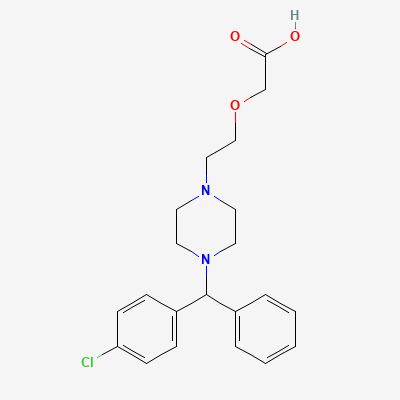
Cetirizine

Antihistamine · Antiallergic, Antihistamine

Also known as Cetirizine Hydrochloride, Zyrtec, Alerid, Cetzine

START
10 mg PO once daily (adults); 5 mg once daily (children 6-12 yrs or elderly)
TYPICAL MAX
10 mg/day (adults); 5 mg/day (children 2-6 yrs and elderly ≥65 yrs)
STOP IF
Severe hypersensitivity (anaphylaxis, angioedema, SJS/TEN), hepatitis (jaundice, dark urine), seizure
WATCH
Renal function (reduce dose if CrCl 11-60; contraindicated if <10), sedation (especially elderly, driving/operating machinery), alcohol interaction (additive CNS depression)
CDSCO approvedOTC (Over-the-Counter) or Schedule H (for specific strengths/formulations, but commonly available OTC as 10mg tablet in India)ATC R06AE07
Dose laddermg/d
2.5start5titrate10ceiling
Renal dose adjustmenteGFR mL/min/1.73m²
FULLFull dose: 10 mg once daily (adults)60REDUCEReduce to 5 mg once daily30REDUCEReduce to 5 mg every o…11AVOIDContraindic…90

KDIGO 2024 + manufacturer label

Pharmacokineticsplasma · t hours
1hONSET1hPEAK8.3h1dDURATION
ONSET
1h · 0.5-1 h (onset of antihistamine effect)
PEAK
1h · ~1 h (oral Cmax)
8.3h · 8.3 h (normal); ~12 h (elderly); ~19-21 h (renal impairment)
DURATION
1d · 24 h (once-daily dosing)
EXCRETION
~70% renal unchanged · minimal hepatic metabolism (<14%)
route + CYP
INTERACTIONS
none in our sources
PREGNANCY
Limited human data; no evidence of fetal harm in animal studies at clinically relevant doses. Use only if clearly needed and benefits outweigh potential risks. Generally considered relatively safe in pregnancy for allergic rhinitis/urticaria when non-pharmacological measures are insufficient.
FDA category + note
Available in India

2,497 branded formulations and 1,028 fixed-dose combinations. Look up specific brands in the Drugs workspace.

Mechanism

Cetirizine is a potent and selective peripheral H1-receptor antagonist (second-generation antihistamine). It competitively inhibits histamine binding to H1 receptors on target cells, thereby preventing histamine-mediated effects including vasodilation, increased vascular permeability, pruritus, and bronchoconstriction. Unlike first-generation antihistamines, cetirizine has low lipophilicity and does not readily cross the blood-brain barrier, resulting in minimal sedative effects at standard doses. It also exhibits weak anti-inflammatory properties through inhibition of histamine-induced eosinophil chemotaxis.

Indications

Seasonal allergic rhinitis (hay fever)Perennial allergic rhinitisChronic idiopathic urticariaAllergic conjunctivitis (adjunctive therapy)Pruritus associated with allergic conditionsSymptomatic relief of sneezing, rhinorrhea, nasal pruritus, and ocular pruritus associated with allergic rhinitisTreatment of the uncomplicated skin manifestations of chronic idiopathic urticariaTemporarily relieves runny nose, sneezing, itchy/watery eyes, and itching of nose/throat due to hay fever or other upper respiratory allergies

Dosing

Adult
Oral: 10 mg once daily. Some patients may respond to 5 mg once daily. In patients with hepatic or renal impairment: 5 mg once daily.
Pediatric
6-12 years: 5-10 mg once daily OR 5 mg twice daily. 2-6 years: 2.5 mg once daily OR 2.5 mg twice daily (max 5 mg/day). 6 months-2 years: 2.5 mg once daily (for perennial allergic rhinitis). <6 months: Not recommended.
Renal adjustment
CrCl 31-60 mL/min: 5 mg once daily. CrCl 11-30 mL/min: 5 mg every other day. CrCl <10 mL/min or on hemodialysis: Contraindicated (avoid use).
Hepatic adjustment
Use with caution; patients with liver disease should consult a physician. In patients with hepatic impairment (with normal renal function), 5 mg once daily is recommended. In combined hepatic and renal impairment, follow renal dosing guidelines.
Geriatric
Start with 5 mg once daily due to potential age-related decrease in renal function and increased sensitivity to anticholinergic/CNS effects. Do not exceed 5 mg/day in patients ≥65 years unless renal function is normal.
Max dose
10 mg/day (adults and children ≥6 years); 5 mg/day (children 2-6 years and adults ≥65 years with reduced renal function)

Pharmacokinetics

Onset
20-60 minutes after oral administration; onset of antihistamine effect is rapid.
Peak effect
Approximately 1 hour after oral administration (Cmax ~0.3 mcg/mL for 10 mg dose).
Duration
24 hours (supports once-daily dosing); antihistamine effect persists for at least 24 hours.
Half-life
8.3 hours in healthy adults; prolonged in elderly (~12 hours) and in renal impairment (up to 19-21 hours when CrCl <30 mL/min).
Bioavailability
Rapidly and extensively absorbed; bioavailability is high (>70% for racemic cetirizine; >68% for levocetirizine, the active R-enantiomer). Not affected by food.
Protein binding
Approximately 93% (primarily to albumin).
Metabolism
Minimally metabolized in the liver (<14% of dose). Primary metabolic pathway is oxidation via CYP3A4 and CYP2D6 to inactive metabolites. The majority of an administered dose is excreted unchanged.
Excretion
Primarily renal: approximately 70% excreted unchanged in urine within 72 hours via glomerular filtration and active tubular secretion. Approximately 10% excreted in feces. Terminal elimination half-life is prolonged in renal impairment.

Contraindications

  • Hypersensitivity to cetirizine, hydroxyzine, or any piperazine derivatives (cross-sensitivity between cetirizine and hydroxyzine has been reported)
  • Severe renal impairment (CrCl <10 mL/min) — cetirizine is primarily renally excreted and accumulation can occur
  • End-stage renal disease (ESRD) requiring dialysis
  • Premature infants and neonates

Side effects

Common
Drowsiness/somnolence (less common than first-generation antihistamines; dose-related; ~5.8% at 10 mg)FatigueDry mouthHeadacheDizzinessPharyngitisAbdominal painNauseaDiarrhea
Serious
  • Anaphylaxis (rare but reported)
  • Angioedema (swelling of lips, tongue, throat)
  • Hepatitis (cholestatic hepatitis reported rarely)
  • Seizures (very rare, reported in overdose or in patients with seizure disorders)
  • Severe skin reactions (Stevens-Johnson syndrome, toxic epidermal necrolysis — extremely rare)
  • QT prolongation (very rare, primarily in overdose or with pre-existing risk factors)
  • Thrombocytopenia, thrombocytopenic purpura (rare)
  • Hallucinations, psychosis (rare, primarily in overdose or elderly)

Pregnancy & lactation

Pregnancy

Limited human data; no evidence of fetal harm in animal studies at clinically relevant doses. Use only if clearly needed and benefits outweigh potential risks. Generally considered relatively safe in pregnancy for allergic rhinitis/urticaria when non-pharmacological measures are insufficient.

Lactation

Cetirizine is excreted in breast milk in small amounts (estimated 0.3-0.9% of maternal dose). Generally considered compatible with breastfeeding at standard doses. Monitor infant for excessive drowsiness, poor feeding, or irritability. Consider using lowest effective dose or alternative antihistamine (e.g., loratadine) if infant shows signs of sedation.

Drug interactions

Alcohol
Moderate
Database

Additive CNS depression. Although cetirizine is considered a non-sedating antihistamine, alcohol may enhance its sedative effects, causing increased drowsiness, impaired psychomotor performance, and reduced alertness.

Advise patients to avoid alcohol while taking cetirizine, especially when starting therapy or if experiencing drowsiness. If alcohol consumption is unavoidable, limit to small amounts and avoid activities requiring mental alertness.

Source: Kimi deep-research + Cla

Azole Antifungals
Moderate
Database

Azole antifungals are CYP3A4 inhibitors that may reduce cetirizine metabolism, leading to modestly increased plasma concentrations. Clinical significance is generally low given cetirizine's wide therapeutic index.

Generally safe to coadminister. Monitor for increased sedation if patient is sensitive to antihistamine effects. No routine dose adjustment needed.

Source: Kimi deep-research + Cla

Cns Depressants (e.g., Benzodiazepines, Opioids, Tricyclic Antidepressants, Sedating Antihistamines)
Moderate
Database

Increased sedation, drowsiness, dizziness, impaired psychomotor performance, respiratory depression (with opioids)

Use with caution. Monitor patients for increased CNS depression. Consider lower doses of either drug or choose non-sedating alternatives if possible. Advise patients against driving or operating heavy machinery.

Olanzapine
Moderate
Database

Increased drowsiness, sedation, dizziness, orthostatic hypotension.

Monitor for excessive sedation and orthostatic hypotension. Advise caution with activities requiring mental alertness.

Source: DDInter

Other Cns Depressants
Moderate
Database

Additive CNS depressant effects. Cetirizine has minimal sedative properties at standard doses, but concurrent use with other CNS depressants may produce excessive sedation, impaired cognition, and respiratory depression (especially with opioids/benzodiazepines).

Use lowest effective doses of both agents. Monitor for excessive sedation, confusion, and respiratory depression. Avoid driving or operating machinery. Consider non-sedating alternatives if possible.

Source: Kimi deep-research + Cla

Ritonavir
Moderate
Database

Ritonavir (a potent CYP3A4 inhibitor) may increase cetirizine plasma concentrations by inhibiting its hepatic metabolism and/or P-glycoprotein-mediated transport, potentially increasing sedative effects.

Monitor for increased sedation or other CNS effects when ritonavir is added. Consider cetirizine dose reduction to 5 mg/day if patient experiences excessive drowsiness.

Source: Kimi deep-research + Cla

Theophylline
Moderate
Database

Theophylline may decrease cetirizine clearance by competing for renal tubular secretion or inhibiting hepatic metabolism, resulting in increased cetirizine plasma concentrations and increased risk of sedation.

Monitor for increased cetirizine-related sedation if theophylline is initiated or dose increased. Consider cetirizine dose reduction to 5 mg/day if patient experiences excessive drowsiness.

Source: Kimi deep-research + Cla

Zolpidem
Moderate
Database

Increased drowsiness, sedation, impaired psychomotor function, dizziness.

Monitor for excessive sedation. Advise caution with activities requiring mental alertness. Consider dose reduction of one or both if sedation is problematic.

Source: DDInter

4 additional low-confidence interactions hidden — those rows lack a documented mechanism or management plan in our sources.

Related guidelines

Other Antihistamine drugs

Ask House about Cetirizine

Continue into a citation-backed clinical answer with the drug context already attached.

Sources: KD Tripathi 7e, Goodman & Gilman 14e, Katzung, BNF·Verified: 2026-05-18 · House clinical team·Cockpit curated: 2026-05-18