Drug lookup
Drug reference

Gentamicin

Aminoglycoside · Antibiotic

Also known as Gentamicin Sulfate, Garamycin, Cidomycin
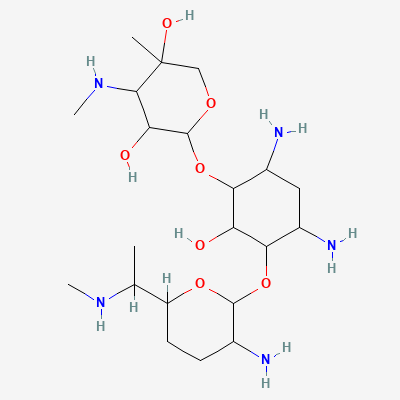
START
Confirm gram-negative infection. Baseline creatinine, audiogram if available. Calculate IBW/ABW. Loading dose: 2 mg/kg IV (conventional) or 5-7 mg/kg (once-daily).
TYPICAL MAX
7 mg/kg/day. Nephrotoxicity and ototoxicity are dose-limiting. Do not extend therapy beyond 7-10 days without reassessment.
STOP IF
Rising creatinine (>0.5 mg/dL from baseline), evidence of ototoxicity (tinnitus, hearing loss, vertigo), severe hypersensitivity
WATCH
Renal function (daily creatinine), hearing (if prolonged therapy or symptoms), serum levels if conventional dosing (peak 30 min post-dose; trough pre-dose), vestibular symptoms
CDSCO approvedSchedule HJan AushadhiATC J01GB03
Dose laddermg/d
80start300max420ceiling
Renal dose adjustmenteGFR mL/min/1.73m²
FULLFull dose: 5-7 mg/kg q24h60REDUCE5-7 mg/kg q36h40REDUCE5-7 mg/kg q48h20REDUCE3-5 mg/kg q72h; HD: sup…90

KDIGO 2024 + manufacturer label

Pharmacokineticsplasma · t hours
11minONSET45minPEAK2.5h1dDURATION
ONSET
11min · absorption onset
PEAK
45min · 30-90 min (IM/IV)
2.5h · 2-3 h (normal); 24-70 h (ESRD)
DURATION
1d · 24 h (once-daily dosing)
EXCRETION
~90% renal unchanged within 24h; not metabolized
route + CYP
INTERACTIONS
12 major
SEVERE in our sources
PREGNANCY
FDA PLLR: Can cause fetal harm. Ototoxicity risk to fetus (irreversible bilateral congenital deafness reported with streptomycin; similar risk assumed for gentamicin). Use only if clearly needed and benefit outweighs risk.
FDA category + note
Top interactionssee all 12
  • CephalothinSevereTextbookKDT 7e · p700
  • AcyclovirSevereDatabase
  • Agalsidase BetaSevereDatabaseDDInter
  • AtracuriumSevereDatabaseDDInter
Available in India

133 branded formulations and 224 fixed-dose combinations. Look up specific brands in the Drugs workspace.

Jan Aushadhi — generic available at GoI pharmacies

Mechanism

Gentamicin is an aminoglycoside antibiotic that exerts concentration-dependent bactericidal activity by irreversibly binding to the 30S ribosomal subunit. This binding disrupts bacterial protein synthesis at multiple steps: (1) it causes misreading of mRNA codons, leading to incorporation of incorrect amino acids into growing peptide chains; (2) it inhibits translocation of the peptidyl-tRNA from the A-site to the P-site; and (3) it blocks the initiation complex formation. The resulting aberrant proteins insert into the bacterial cell membrane, increasing permeability and leading to cell death. Gentamicin's activity is concentration-dependent — higher peak concentrations relative to MIC result in more rapid and extensive bacterial killing.

Indications

Serious gram-negative bacillary infections (E. coli, Klebsiella, Proteus, Pseudomonas, Serratia)Sepsis and bacteremiaIntra-abdominal infections (in combination with anaerobic coverage)Skin and skin structure infections (gram-negative organisms)Bone and joint infections (gram-negative organisms)Respiratory tract infections (gram-negative organisms)Complicated urinary tract infections (pyelonephritis)Endocarditis (gram-negative organisms, combination therapy)Neonatal sepsisSyphilis (alternative to penicillin in penicillin-allergic patients)

Dosing

Adult
Conventional: 3-5 mg/kg/day IV/IM divided q8h. Once-daily (preferred): 5-7 mg/kg IV q24h. Extended interval (Hartford nomogram): 7 mg/kg IV q24-48h. Dosing based on ideal body weight (IBW) or adjusted body weight if obese.
Pediatric
≥1 month: 2-2.5 mg/kg IV/IM q8h. Neonates 0-7 days: 2.5 mg/kg IV/IM q12-24h. Neonates >7 days: 2.5 mg/kg IV/IM q8-12h.
Renal adjustment
CrCl >60: full dose q24h (extended interval). CrCl 40-59: 5-7 mg/kg q36h. CrCl 20-39: 5-7 mg/kg q48h. CrCl <20: 3-5 mg/kg q72h or extended monitoring. HD: supplemental dose post-dialysis.
Hepatic adjustment
No adjustment required (not hepatically metabolized).
Geriatric
Reduce dose and extend interval based on renal function. Monitor drug levels closely. Increased risk of nephrotoxicity and ototoxicity.
Max dose
7 mg/kg/day (once-daily); 5 mg/kg/day (conventional); cumulative toxicity is dose-dependent

Pharmacokinetics

Onset
Rapid bactericidal activity; clinical response within 24-72 hours.
Peak effect
IV: peak at end of 30-60 min infusion. IM: peak at 30-90 min.
Duration
Post-antibiotic effect (PAE) of 2-8 hours supports once-daily dosing.
Half-life
2-3 hours (normal renal function); 24-70 hours in ESRD.
Bioavailability
IM: ~100%. Not absorbed orally.
Protein binding
<10% (low; concentration-independent).
Metabolism
Not metabolized; excreted virtually unchanged.
Excretion
Renal: ~90% excreted unchanged in urine via glomerular filtration within 24 hours.

Contraindications

  • Hypersensitivity to gentamicin or other aminoglycosides
  • Myasthenia gravis (may worsen neuromuscular blockade)
  • Relative: pre-existing severe renal impairment (dose reduction mandatory)
  • Relative: pre-existing hearing impairment or vestibular dysfunction

Side effects

Common
Nephrotoxicity (elevated creatinine/BUN — usually reversible; 10-25% incidence)Ototoxicity — vestibular (vertigo, ataxia, nystagmus)Ototoxicity — auditory (high-frequency hearing loss, tinnitus)Neuromuscular blockade (rare, with anesthesia)Injection site reactions
Serious
  • Acute tubular necrosis (ATN) and acute kidney injury (dose-dependent, usually reversible)
  • Permanent bilateral sensorineural hearing loss (irreversible; dose and duration-related)
  • Permanent vestibular toxicity (irreversible balance disorders)
  • Neuromuscular blockade with respiratory paralysis (rare, with anesthesia or neuromuscular blockers)
  • Anaphylaxis and severe hypersensitivity reactions

Pregnancy & lactation

Pregnancy

FDA PLLR: Can cause fetal harm. Ototoxicity risk to fetus (irreversible bilateral congenital deafness reported with streptomycin; similar risk assumed for gentamicin). Use only if clearly needed and benefit outweighs risk.

Lactation

Excreted in breast milk in low concentrations. Risk to nursing infant is low but theoretical. Monitor infant for GI upset, diarrhea, candidiasis, or hearing problems.

Drug interactions

Cephalothin
Severe
Textbook

Exaggerated kidney failure.

Avoid co-administration due to enhanced toxicity.

Source: KDT 7e · p700

Acyclovir
Severe
Database

Significantly increased risk of acute kidney injury (AKI).

Avoid concomitant use if possible. If unavoidable, monitor renal function (serum creatinine, BUN, urine output) very closely. Ensure adequate hydration. Adjust doses of both drugs as per renal function.

Agalsidase Beta
Severe
Database

Drug interaction classified as: antagonism

Source: DDInter

Atracurium
Severe
Database

Prolonged paralysis, respiratory failure

Monitor neuromuscular function. May need extended ventilation.

Source: DDInter

Bacitracin
Severe
Database

Drug interaction classified as: synergy

Source: DDInter

Botulinum Toxin Type A
Severe
Database

Drug interaction classified as: synergy

Source: DDInter

Botulinum Toxin Type B
Severe
Database

Drug interaction classified as: synergy

Source: DDInter

Bumetanide
Severe
Database

Drug interaction classified as: synergy.

Source: DDInter

Capreomycin
Severe
Database

Drug interaction classified as: synergy

Source: DDInter

Cidofovir
Severe
Database

Drug interaction classified as: synergy

Source: DDInter

Cisatracurium
Severe
Database

Drug interaction classified as: synergy

Source: DDInter

Cisplatin
Severe
Database

Permanent hearing loss, renal failure

Avoid combination. Space apart if both needed.

Source: DDInter

Related guidelines

Other Aminoglycoside drugs

Ask House about Gentamicin

Continue into a citation-backed clinical answer with the drug context already attached.

Sources: KD Tripathi 7e, Goodman & Gilman 14e, Harrison 22e, Katzung·Verified: 2026-05-18 · House clinical team·Cockpit curated: 2026-05-18