Drug lookup
Drug reference

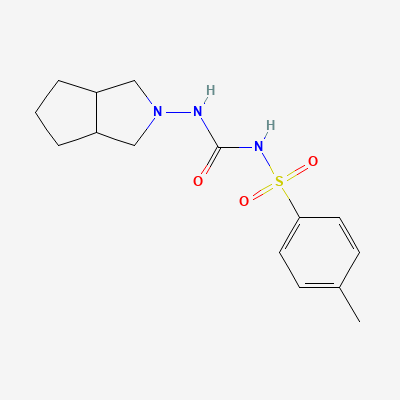
Gliclazide

Sulfonylurea · Antidiabetic

Also known as Diamicron, Glycinorm, Glicla, Diabend, Reclide
START
30-60 mg PO once daily (MR) or 40-80 mg BID (IR)
TYPICAL MAX
120 mg/day (MR) or 320 mg/day (IR)
STOP IF
T1DM · ketoacidosis · severe hepatic/renal failure
WATCH
Hypoglycemia · weight gain
CDSCO approvedSchedule H (Prescription Drug, requires a valid prescription from a registered medical practitioner). The NPPA ceiling price for Gliclazide 30mg Modified Release tablets is around INR 2.13 per tablet, and for 80mg tablets (conventional release) it is around INR 1.50 per tablet, as per the National Pharmaceutical Pricing Authority (NPPA) notifications, as it is included in the National List of Essential Medicines (NLEM). Please check the latest NPPA notifications for exact and up-to-date pricing.
Dose laddermg/d
30MR start60MR moderate90MR high120MR max
Renal dose adjustmenteGFR mL/min/1.73m²
FULLFull dose60CAUTIONStart low, titrate slowly30AVOIDAvoid — hypoglycemia risk90

KDIGO 2024 + manufacturer label

Pharmacokineticsplasma · t hours
1hONSET6hPEAK12h1dDURATION
ONSET
1h · glucose-lowering effect
PEAK
6h · MR Cmax 6h (IR 2-4h)
12h · plasma t½
DURATION
1d · MR once-daily window
EXCRETION
CYP2C9 hepatic · 60-70% renal metabolites
route + CYP
INTERACTIONS
12 major
SEVERE in our sources
PREGNANCY
Category C — insulin preferred in pregnancy
FDA category + note
Top interactionssee all 12
  • AspirinSevereTextbook-citedKDT 7e · p949
  • AtazanavirSevereTextbook-citedKDT 7e · p948
  • CarbamazepineSevereTextbook-citedKDT 7e · p949
  • CelecoxibSevereTextbook-citedKDT 7e · p949
Available in India

289 branded formulations and 29 fixed-dose combinations. Look up specific brands in the Drugs workspace.

Mechanism

Gliclazide primarily lowers blood glucose by stimulating insulin release from pancreatic beta cells. It binds to sulfonylurea receptors on the beta-cell membrane, leading to the closure of ATP-sensitive potassium channels. This causes depolarization of the beta-cell membrane, opening voltage-gated calcium channels, and subsequent influx of calcium, which triggers insulin exocytosis. It may also have some extrapancreatic effects, including improved peripheral insulin sensitivity and reduction of hepatic glucose production.

Indications

Type 2 Diabetes Mellitus (as monotherapy when diet and exercise alone are insufficient)Type 2 Diabetes Mellitus (in combination with other oral antidiabetic agents or insulin when monotherapy is inadequate)type 2 diabetes mellitus

Dosing

Adult
Initial dose is typically 40-80 mg daily (conventional release) or 30 mg daily (modified release, MR), taken with breakfast. Dose can be titrated gradually based on blood glucose levels. Conventional release dose may range from 80-320 mg daily, given in 2 divided doses for doses >160 mg. Modified release (MR) dose may range from 30-120 mg once daily. For MR, the maximum single dose is 120 mg.
Pediatric
Not recommended for use in children due to lack of established safety and efficacy.
Renal adjustment
Mild to moderate renal impairment (eGFR 30-60 mL/min/1.73m2): Caution is advised, starting with a lower dose and careful monitoring of blood glucose to avoid hypoglycemia. Severe renal impairment (eGFR <30 mL/min/1.73m2): Contraindicated due to increased risk of hypoglycemia and drug accumulation. Insulin is generally preferred in such cases.…
Max dose
240 mg/day (doses >80 mg given in divided doses)

Pharmacokinetics

Onset
1-2 hours
Peak effect
Conventional: 2-6 hours. Modified Release: 6-12 hours.
Duration
12–24 hours
Half-life
8–20 hours
Protein binding
~94-95% (to plasma proteins). Metabolites have negligible protein binding or activity. Gliclazide is extensively metabolized in the liver, primarily via CYP2C9, to inactive metabolites. The major metabolites are the hydroxylated and carboxylated derivatives. These metabolites are inactive and have no hypoglycemic activity.…
Metabolism
Metabolized in liver, generates only inactive metabolite
Excretion
Excreted in urine

Contraindications

  • Hypersensitivity to gliclazide or other sulfonylureas or sulfonamides
  • Type 1 Diabetes Mellitus
  • Diabetic ketoacidosis, diabetic precoma and coma
  • Severe renal insufficiency or failure
  • Severe hepatic insufficiency
  • Pregnancy and lactation
  • Concomitant treatment with miconazole
  • pregnancy (change to insulin advised)
  • nursing mothers
  • liver dysfunction
  • kidney dysfunction

Side effects

Common
HypoglycemiaNauseaDiarrheaConstipationAbdominal painDyspepsiaHeadacheDizzinessSkin rashPruritusweight gain (1-3 kg)vomitingflatulencediarrhoeaparesthesias
Serious
  • Severe hypoglycemia (requiring hospitalization)
  • Blood dyscrasias (e.g., agranulocytosis, thrombocytopenia, leukopenia, hemolytic anemia)
  • Cholestatic jaundice
  • Hepatic dysfunction (elevated liver enzymes, hepatitis)
  • Stevens-Johnson Syndrome (SJS)
  • Toxic Epidermal Necrolysis (TEN)
  • Angioedema
  • disulfiram-like reaction after alcohol
  • rashes
  • photosensitivity
  • purpura
  • transient leukopenia
  • agranulocytosis (rare)

Pregnancy & lactation

Pregnancy

Category C — insulin preferred in pregnancy

Lactation

Secreted in milk; should not be given to nursing mothers

Drug interactions

Aspirin
Severe
Textbook-cited

Hypoglycemia.

Avoid concurrent use; substitute with paracetamol if analgesic needed

Source: KDT 7e · p949

Atazanavir
Severe
Textbook-cited

Hypoglycemia

Avoid concurrent use or adjust dose

Source: KDT 7e · p948

Carbamazepine
Severe
Textbook-cited

Loss of glycemic control; hyperglycemia.

Increase sulfonylurea dose or switch to non-interacting agent

Source: KDT 7e · p949

Celecoxib
Severe
Textbook-cited

Hypoglycemia.

Avoid concurrent use; substitute with paracetamol if analgesic needed

Source: KDT 7e · p949

Chloramphenicol
Severe
Textbook-cited

Hypoglycemia

Monitor blood glucose; reduce sulfonylurea dose

Source: KDT 7e · p949

Clarithromycin
Severe
Textbook-cited

Hypoglycemia.

Avoid concurrent use or adjust dose

Source: KDT 7e · p948

Cotrimoxazole
Severe
Textbook-cited

Hypoglycemia

Avoid concurrent use; if needed, monitor blood glucose closely

Source: KDT 7e · p948

Darunavir
Severe
Textbook-cited

Hypoglycemia

Avoid concurrent use or adjust dose

Source: KDT 7e · p948

Diclofenac
Severe
Textbook-cited

Hypoglycemia.

Avoid concurrent use; substitute with paracetamol if analgesic needed

Source: KDT 7e · p949

Erythromycin
Severe
Textbook-cited

Hypoglycemia

Avoid concurrent use or adjust dose

Source: KDT 7e · p948

Fluconazole
Severe
Textbook-cited

Hypoglycemia.

Avoid concurrent use or adjust dose

Source: KDT 7e · p948

Ibuprofen
Severe
Textbook-cited

Hypoglycemia.

Avoid concurrent use; substitute with paracetamol if analgesic needed

Source: KDT 7e · p949

Related guidelines

Other Sulfonylurea drugs

Ask House about Gliclazide

Continue into a citation-backed clinical answer with the drug context already attached.

Sources: KD Tripathi 7e, Katzung, BNF·Verified: 2026-05-16 · House clinical team·Cockpit curated: 2026-05-16