Drug lookup
Drug reference

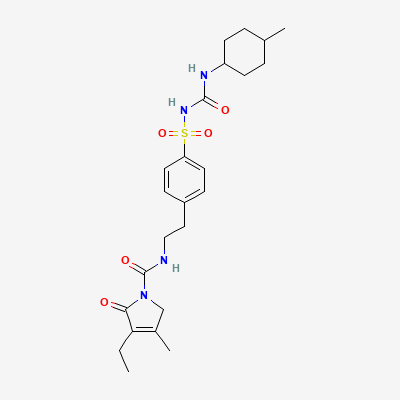
Glimepiride

Sulfonylurea · Antidiabetic

Also known as Glimepiride micronized, Amaryl, Glimy, Euglim
START
1-2 mg PO once daily with breakfast
TYPICAL MAX
8 mg/day
STOP IF
T1DM · ketoacidosis · severe hepatic/renal failure · sulfa allergy (cross-react)
WATCH
Hypoglycemia (esp. elderly, skipped meals) · weight gain
CDSCO approvedSchedule HJan AushadhiNPPA price-controlledATC A10BB12
Dose laddermg/d
1start2standard start4moderate8max
Renal dose adjustmenteGFR mL/min/1.73m²
FULLFull dose60CAUTIONStart 1 mg, titrate slowly30AVOIDAvoid — prolonged hypoglycemia risk90

KDIGO 2024 + manufacturer label

Pharmacokineticsplasma · t hours
1hONSET2.5hPEAK9h1dDURATION
ONSET
1h · glucose-lowering effect
PEAK
2.5h · Cmax
9h · plasma t½ (active metabolite contributes)
DURATION
1d · once-daily dosing window
EXCRETION
CYP2C9 hepatic · 60% renal metabolites · 40% biliary
route + CYP
INTERACTIONS
12 major
SEVERE in our sources
PREGNANCY
Category C — insulin preferred in pregnancy
FDA category + note
Top interactionssee all 12
  • AspirinSevereTextbook-citedKDT 7e · p949
  • AtazanavirSevereTextbook-citedKDT 7e · p948
  • CarbamazepineSevereTextbook-citedKDT 7e · p949
  • CelecoxibSevereTextbook-citedKDT 7e · p949
Available in India

828 branded formulations and 27 fixed-dose combinations. Look up specific brands in the Drugs workspace.

Jan Aushadhi — generic available at GoI pharmacies

Mechanism

Glimepiride primarily acts by stimulating the release of insulin from functioning pancreatic beta cells. It binds to the sulfonylurea receptor (SUR1) on the beta-cell membrane, leading to the closure of ATP-sensitive potassium channels. This causes depolarization of the beta cell, opening of voltage-dependent calcium channels, and subsequent influx of calcium, which triggers insulin secretion. It also has some extrapancreatic effects, enhancing insulin sensitivity in peripheral tissues.

Indications

Type 2 Diabetes Mellitus (as monotherapy or in combination with metformin or insulin)Hyperglycemia in type 2 diabetestype 2 diabetes mellitus

Dosing

Adult
Initial dose: 1 mg orally once daily with breakfast or the first main meal. Titration: May be increased in increments of 1 mg at 1-2 week intervals, based on blood glucose response, up to a maximum of 8 mg once daily.
Pediatric
Not generally recommended for pediatric patients due to insufficient data on efficacy and safety.
Renal adjustment
No dose adjustment is needed for eGFR 50-79 mL/min/1.73m². For eGFR <50 mL/min/1.73m², initiate at 1 mg once daily and titrate cautiously with close monitoring for hypoglycemia. Avoid use in severe renal impairment (eGFR <30 mL/min/1.73m²), preferring alternative agents.
Max dose
6 mg/day

Pharmacokinetics

Onset
2-3 hours
Peak effect
2-3 hours
Duration
24 h
Half-life
3-5 h
Bioavailability
∼100%
Protein binding
99.5%
Metabolism
Liver
Excretion
<0.5%

Contraindications

  • Type 1 Diabetes Mellitus
  • Diabetic Ketoacidosis (with or without coma)
  • Hypersensitivity to glimepiride or other sulfonylureas/sulfonamides
  • Severe renal impairment (eGFR <30 mL/min/1.73m²)
  • Severe hepatic impairment
  • Pregnancy
  • Lactation
  • pregnancy (change to insulin advised)
  • nursing mothers
  • liver dysfunction
  • kidney dysfunction

Side effects

Common
Hypoglycemia (especially with higher doses or inadequate food intake)HeadacheNauseaDizzinessWeaknessWeight gainHypoglycemiaWeight gain (1-3 kg)Vomitinghypoglycaemia (lower incidence)flatulencediarrhoeaconstipationparesthesias
Serious
  • Severe hypoglycemia (requiring medical intervention)
  • Anaphylaxis/Severe allergic reactions
  • Stevens-Johnson syndrome (SJS)
  • Toxic Epidermal Necrolysis (TEN)
  • Aplastic anemia
  • Hemolytic anemia
  • Hepatic dysfunction (e.g., cholestatic jaundice)
  • Hyponatremia
  • Pancytopenia
  • Agranulocytosis
  • Coma (due to hypoglycemia)
  • Cholestatic jaundice
  • Generalized hypersensitivity reactions
  • Dermatological reactions
  • Alcohol-induced flush
  • disulfiram-like reaction after alcohol
  • rashes
  • photosensitivity
  • purpura
  • transient leukopenia
  • agranulocytosis (rare)

Pregnancy & lactation

Pregnancy

Category C — insulin preferred in pregnancy

Lactation

Not recommended; Glimepiride is excreted in human milk and may cause serious hypoglycemia in nursing infants. Insulin therapy is preferred during lactation.

Drug interactions

Aspirin
Severe
Textbook-cited

Hypoglycemia.

Avoid concurrent use; substitute with paracetamol if analgesic needed

Source: KDT 7e · p949

Atazanavir
Severe
Textbook-cited

Hypoglycemia

Avoid concurrent use or adjust dose

Source: KDT 7e · p948

Carbamazepine
Severe
Textbook-cited

Loss of glycemic control; hyperglycemia.

Increase sulfonylurea dose or switch to non-interacting agent

Source: KDT 7e · p949

Celecoxib
Severe
Textbook-cited

Hypoglycemia.

Avoid concurrent use; substitute with paracetamol if analgesic needed

Source: KDT 7e · p949

Chloramphenicol
Severe
Textbook-cited

Hypoglycemia

Monitor blood glucose; reduce sulfonylurea dose

Source: KDT 7e · p949

Clarithromycin
Severe
Textbook-cited

Hypoglycemia.

Avoid concurrent use or adjust dose

Source: KDT 7e · p948

Cotrimoxazole
Severe
Textbook-cited

Hypoglycemia

Avoid concurrent use; if needed, monitor blood glucose closely

Source: KDT 7e · p948

Darunavir
Severe
Textbook-cited

Hypoglycemia

Avoid concurrent use or adjust dose

Source: KDT 7e · p948

Diclofenac
Severe
Textbook-cited

Hypoglycemia.

Avoid concurrent use; substitute with paracetamol if analgesic needed

Source: KDT 7e · p949

Erythromycin
Severe
Textbook-cited

Hypoglycemia

Avoid concurrent use or adjust dose

Source: KDT 7e · p948

Fluconazole
Severe
Textbook-cited

Hypoglycemia.

Avoid concurrent use or adjust dose

Source: KDT 7e · p948

Ibuprofen
Severe
Textbook-cited

Hypoglycemia.

Avoid concurrent use; substitute with paracetamol if analgesic needed

Source: KDT 7e · p949

Related guidelines

Other Sulfonylurea drugs

Ask House about Glimepiride

Continue into a citation-backed clinical answer with the drug context already attached.

Sources: KD Tripathi 7e, Goodman & Gilman 14e, Katzung, BNF·Verified: 2026-05-16 · House clinical team·Cockpit curated: 2026-05-16