Drug lookup
Drug reference

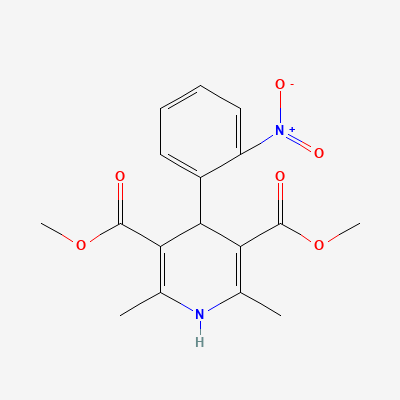
Nifedipine

Dihydropyridine calcium channel blocker · Antihiccup agent
START
Check BP, HR. Immediate-release is NOT recommended for chronic hypertension or angina (increases mortality risk in ACS). Use extended-release only for chronic conditions.
TYPICAL MAX
120mg/day ER. Edema is dose-limiting and NOT responsive to diuretics (venous, not sodium-mediated).
STOP IF
SBP <90 mmHg, syncope, acute heart failure, severe peripheral edema, unstable angina.
WATCH
Reflex tachycardia may worsen angina—use beta-blocker co-therapy if needed. Edema is very common—distinguish from heart failure (no JVP elevation, no pulmonary congestion). Grapefruit juice increases levels. Do NOT crush/chew ER tablets.
CDSCO approvedSchedule HATC C08CA05
Dose laddermg/d
10start30ER start60ER step-up90ER higher dose120Max ER daily
Renal dose adjustmenteGFR mL/min/1.73m²
FULLNo adjustment15FULLNo adjustment90

KDIGO 2024 + manufacturer label

Pharmacokineticsplasma · t hours
1.5hONSET6hPEAK8h1dDURATION
ONSET
1.5h · ER onset 1-2 hours
PEAK
6h · Tmax ER ~6 hours
8h · t½ ER 6-10 hours
DURATION
1d · 24 hours (ER)
EXCRETION
Renal as metabolites (~80%)
route + CYP
INTERACTIONS
12 major
SEVERE in our sources
PREGNANCY
Commonly used for pregnancy-related hypertension and preterm labor tocolysis. No teratogenic effects documented. Fetal safety well-established. Preferred CCB in pregnancy (with labetalol and methyldopa).
FDA category + note
Top interactionssee all 12
  • ApalutamideSevereDatabaseDDInter
  • CarbamazepineSevereDatabaseDDInter
  • CeritinibSevereDatabaseDDInter
  • CisaprideSevereDatabaseDDInter
Available in India

75 branded formulations and 9 fixed-dose combinations. Look up specific brands in the Drugs workspace.

Mechanism

Selectively inhibits L-type voltage-gated calcium channels in vascular smooth muscle, causing arterial vasodilation (much greater effect on arteries than veins or myocardium). Reduces peripheral vascular resistance and blood pressure. Minimal direct effect on cardiac conduction or contractility at therapeutic doses.

Indications

Hypertension (extended-release formulations)Chronic stable anginaVasospastic (Prinzmetal's) anginaPreterm labor tocolysis (off-label in some countries; approved in others)Raynaud's phenomenon

Dosing

Adult
Hypertension (ER): 30mg PO daily initially, titrate every 7-14 days to 60-90mg daily (max 120mg). Angina (ER): 30-60mg daily. Immediate-release (not recommended for chronic use): 10mg PO TID, max 30mg QID. Preterm labor: 20mg PO loading, then 10-20mg Q6-8h.
Pediatric
Not established for hypertension in children.
Renal adjustment
No adjustment needed.
Hepatic adjustment
Reduce dose 50-70% in cirrhosis; monitor BP closely.
Geriatric
Start 30mg ER daily; increased sensitivity to hypotension; monitor for edema and dizziness.
Max dose
120mg/day (ER); 180mg/day (IR)

Pharmacokinetics

Onset
IR: 10-30 minutes; ER: 1-2 hours
Peak effect
IR: Tmax 30-60 minutes; ER: Tmax 6 hours; antihypertensive steady-state in 3-5 days
Duration
IR: 4-6 hours; ER: 24 hours
Half-life
IR: 2-5 hours; ER: 6-10 hours (prolonged absorption)
Bioavailability
~45-75% (IR); ~85% (ER); extensive first-pass metabolism
Protein binding
~92-98%
Metabolism
Extensive hepatic via CYP3A4 to inactive metabolites
Excretion
~80% renal (metabolites); ~15% fecal

Contraindications

  • Hypersensitivity to nifedipine
  • Cardiogenic shock
  • Severe aortic stenosis
  • Unstable angina (immediate-release contraindicated—increases MI risk)
  • Concomitant rifampicin (strong CYP3A4 inducer)

Side effects

Common
Peripheral edema (dose-dependent, very common—venous pooling)HeadacheFlushingDizzinessTachycardia (reflex)Gingival hyperplasia (chronic use)Constipation
Serious
  • Severe hypotension / syncope
  • Reflex tachycardia / worsening angina
  • Acute heart failure (afterload reduction in compromised hearts)
  • Stevens-Johnson syndrome (rare)
  • Hepatotoxicity (rare)

Pregnancy & lactation

Pregnancy

Commonly used for pregnancy-related hypertension and preterm labor tocolysis. No teratogenic effects documented. Fetal safety well-established. Preferred CCB in pregnancy (with labetalol and methyldopa).

Lactation

Excreted in breast milk in small amounts (~5% of maternal dose); compatible with breastfeeding. Monitor infant for hypotension signs.

Drug interactions

Apalutamide
Severe
Database

Drug interaction classified as: metabolism

Source: DDInter

Carbamazepine
Severe
Database

Drug interaction classified as: metabolism.

Source: DDInter

Ceritinib
Severe
Database

Drug interaction classified as: synergy

Source: DDInter

Cisapride
Severe
Database

Drug interaction classified as: metabolism

Source: DDInter

Dolasetron
Severe
Database

Clinical effect not specified

Source: DDInter

Enzalutamide
Severe
Database

Clinical effect not specified

Source: DDInter

Fosphenytoin
Severe
Database

Clinical effect not specified

Source: DDInter

Itraconazole
Severe
Database

.

Source: DDInter

Lemborexant
Severe
Database

Clinical effect not specified

Source: DDInter

Lonafarnib
Severe
Database

Clinical effect not specified

Source: DDInter

Lumacaftor
Severe
Database

Clinical effect not specified

Source: DDInter

Mitotane
Severe
Database

Clinical effect not specified

Source: DDInter

Related guidelines

Other Dihydropyridine calcium channel blocker drugs

Ask House about Nifedipine

Continue into a citation-backed clinical answer with the drug context already attached.

Sources: KD Tripathi 7e, Goodman & Gilman 14e, BNF·Verified: 2026-05-19 · House clinical team·Cockpit curated: 2026-05-19