Drug lookup
Drug reference

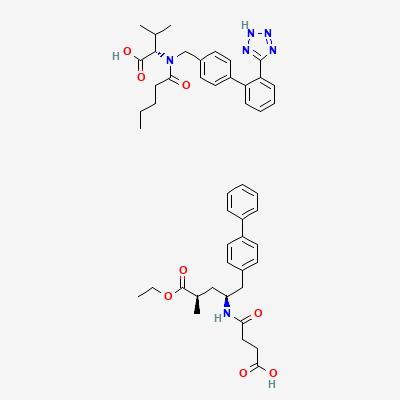
Sacubitril-Valsartan

Angiotensin receptor-neprilysin inhibitor (ARNI) · Antihypertensive

Also known as Entresto, ARNI, sacubitril/valsartan
START
Stop ACE inhibitor ≥36 hours before. Verify BP >100 mmHg systolic, K+ <5.0 mmol/L, eGFR >30. Check no history of angioedema.
TYPICAL MAX
97/103mg BID. Do not use with ACEI. Max benefit seen at target dose from PARADIGM-HF trial.
STOP IF
Angioedema, SBP <90 mmHg, K+ >6.0 mmol/L, eGFR drop >30% from baseline, acute kidney injury, pregnancy.
WATCH
Potassium and creatinine at 1-2 weeks after start and each dose increase. Risk of angioedema higher in Black patients and those with prior ACEI angioedema.
CDSCO approvedSchedule HATC C09DX04
Dose laddermg/d
24start49Standard start97ceiling
Renal dose adjustmenteGFR mL/min/1.73m²
FULLStandard dosing30REDUCEStart low (24/26…15CAUTIONLimited data; us…90

KDIGO 2024 + manufacturer label

Pharmacokineticsplasma · t hours
1hONSET2hPEAK11h12hDURATION
ONSET
1h · Onset ~1 hour
PEAK
2h · Tmax ~1-4 hours
11h · t½ LBQ657 ~11h
DURATION
12h · 12 hours (BID)
EXCRETION
Fecal (valsartan), urine+fecal (LBQ657)
route + CYP
INTERACTIONS
12 major
incl. contraindicated
PREGNANCY
Contraindicated in pregnancy—causes fetal harm, oligohydramnios, fetal lung hypoplasia, skeletal malformations, neonatal death. Discontinue immediately if pregnancy detected.
FDA category + note
Top interactionssee all 12
  • Azilsartan MedoxomilContraindicatedTextbookG&G 14e · p602
  • AzilsartanContraindicatedTextbookG&G 14e · p602
  • BenazeprilContraindicatedTextbookG&G 14e · p602
  • CandesartanContraindicatedTextbookG&G 14e · p602
Available in India

72 branded formulations and 73 fixed-dose combinations. Look up specific brands in the Drugs workspace.

Mechanism

Dual mechanism: sacubitril inhibits neprilysin (increasing natriuretic peptides, bradykinin, and adrenomedullin), promoting vasodilation and natriuresis; valsartan blocks AT1 receptors, inhibiting angiotensin II effects on vasoconstriction, aldosterone release, and cardiac remodeling

Indications

Chronic heart failure with reduced ejection fraction (HFrEF, NYHA II-IV)Chronic heart failure with mildly reduced or preserved ejection fraction (HFpEF, LVEF below normal)

Dosing

Adult
Replace ACE inhibitor/ARB: stop ACEI 36h prior. Start 49/51mg (sacubitril/valsartan) BID if not on ACEI or low-dose ACEI; start 24/26mg BID if on moderate-high ACEI dose. Double every 2-4 weeks to target 97/103mg BID. Reduce to 24/26mg BID if SBP <100 mmHg.
Pediatric
≥1 year: weight-based dosing starting at 1.6mg/kg BID (sacubitril component), titrate to 3.1mg/kg BID.
Renal adjustment
eGFR ≥30: no adjustment. eGFR 15-29: start 24/26mg BID. eGFR <15: limited data.
Hepatic adjustment
Mild (Child-Pugh A): no adjustment. Moderate (Child-Pugh B): use caution, consider lower start. Severe: contraindicated.
Geriatric
No specific adjustment; monitor renal function and potassium.
Max dose
97mg sacubitril / 103mg valsartan BID

Pharmacokinetics

Onset
Blood pressure reduction within 2-4 hours; clinical benefit over weeks to months
Peak effect
Steady-state in ~3 days; Tmax sacubitril ~1h, Tmax valsartan ~2-4h
Duration
24 hours (BID dosing)
Half-life
Sacubitril (prodrug) ~1.4h; LBQ657 (active metabolite) ~11h; valsartan ~9.9h
Bioavailability
Sacubitril ~60%; valsartan ~23% (food decreases valsartan AUC by 40%)
Protein binding
LBQ657 ~53%; valsartan ~95%
Metabolism
Sacubitril converted to active LBQ657 via esterases; valsartan minimally metabolized (CYP2C9 ~20%)
Excretion
Primarily fecal/biliary (valsartan ~83% unchanged in feces); LBQ657 ~50% urine, 40% feces

Contraindications

  • Concomitant ACE inhibitor use (within 36 hours)
  • History of angioedema with ACE inhibitors or ARBs
  • Concomitant aliskiren use in diabetes
  • Severe hepatic impairment (Child-Pugh C)
  • Bilateral renal artery stenosis
  • Pregnancy

Side effects

Common
HypotensionHyperkalemiaCoughDizzinessRenal impairmentAngioedema (rare but serious)
Serious
  • Angioedema (potentially life-threatening)
  • Severe hypotension
  • Acute kidney injury
  • Hyperkalemia (>6.0 mmol/L)
  • Fetal toxicity in pregnancy

Pregnancy & lactation

Pregnancy

Contraindicated in pregnancy—causes fetal harm, oligohydramnios, fetal lung hypoplasia, skeletal malformations, neonatal death. Discontinue immediately if pregnancy detected.

Lactation

Not recommended during breastfeeding—insufficient data; valsartan excreted in rat milk.

Drug interactions

Azilsartan Medoxomil
Contraindicated
Textbook

Potentially excessive hypotension, increased risk of adverse effects.

Do not use in conjunction with other ARBs.

Source: G&G 14e · p602

Azilsartan
Contraindicated
Textbook

Potentially excessive hypotension, increased risk of adverse effects.

Do not use in conjunction with other ARBs.

Source: G&G 14e · p602

Benazepril
Contraindicated
Textbook

Increased risk of angioedema.

Do not use in conjunction with ACEIs.

Source: G&G 14e · p602

Candesartan
Contraindicated
Textbook

Potentially excessive hypotension, increased risk of adverse effects.

Do not use in conjunction with other ARBs.

Source: G&G 14e · p602

Captopril
Contraindicated
Textbook

Increased risk of angioedema.

Do not use in conjunction with ACEIs.

Source: G&G 14e · p602

Enalapril
Contraindicated
Textbook

Increased risk of angioedema.

Do not use in conjunction with ACEIs.

Source: G&G 14e · p602

Eprosartan
Contraindicated
Textbook

Potentially excessive hypotension, increased risk of adverse effects.

Do not use in conjunction with other ARBs.

Source: G&G 14e · p602

Fosinopril
Contraindicated
Textbook

Increased risk of angioedema.

Do not use in conjunction with ACEIs.

Source: G&G 14e · p602

Irbesartan
Contraindicated
Textbook

Potentially excessive hypotension, increased risk of adverse effects.

Do not use in conjunction with other ARBs.

Source: G&G 14e · p602

Losartan + Hydrochlorothiazide
Contraindicated
Textbook

Potentially excessive hypotension, increased risk of adverse effects.

Do not use in conjunction with other ARBs.

Source: G&G 14e · p602

Losartan
Contraindicated
Textbook

Potentially excessive hypotension, increased risk of adverse effects.

Do not use in conjunction with other ARBs.

Source: G&G 14e · p602

Moexipril
Contraindicated
Textbook

Increased risk of angioedema.

Do not use in conjunction with ACEIs.

Source: G&G 14e · p602

Related guidelines

Ask House about Sacubitril-Valsartan

Continue into a citation-backed clinical answer with the drug context already attached.

Sources: Goodman & Gilman 14e·Verified: 2026-05-19 · House clinical team·Cockpit curated: 2026-05-19