Drug lookup
Drug reference

Salbutamol

Short-Acting β2 Agonist · Bronchodilator

Also known as Albuterol, Ventolin, Asthalin, Salmol
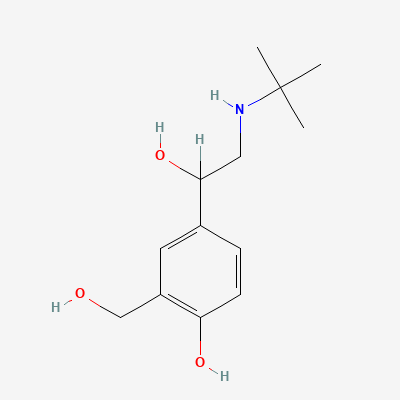
START
MDI 100 µg: 1-2 puffs PRN · or 2.5 mg neb q4-6h
TYPICAL MAX
12 puffs/24h (>12 puffs = severe asthma, escalate)
STOP IF
Tachyarrhythmia · hypokalemia
WATCH
HR · K⁺ · tremor · escalating PRN use
CDSCO approvedSchedule HJan AushadhiNPPA price-controlledATC R03AC02
Dose laddermg/d
0.2start2.5titrate5titrate1.2ceiling
Renal dose adjustmenteGFR mL/min/1.73m²
FULLNo adjustment (inhaled route)90

KDIGO 2024 + manufacturer label

Pharmacokineticsplasma · t hours
5minONSET15minPEAK4h5hDURATION
ONSET
5min · bronchodilation in 5 min (inhaled)
PEAK
15min · peak effect at 15 min
4h · plasma t½
DURATION
5h · single inhaled dose
EXCRETION
Hepatic sulfation · renal metabolites · no CYP
route + CYP
INTERACTIONS
12 major
SEVERE in our sources
PREGNANCY
Category C — benefits outweigh risks in asthma
FDA category + note
Top interactionssee all 12
  • MoclobemideSevereTextbookG&G 14e · p264
  • CarteololSevereDatabaseDDInter
  • CarvedilolSevereDatabaseDDInter
  • LabetalolSevereDatabaseDDInter
Available in India

81 branded formulations and 1,237 fixed-dose combinations. Look up specific brands in the Drugs workspace.

Jan Aushadhi — generic available at GoI pharmacies

Mechanism

Salbutamol selectively stimulates beta-2 adrenergic receptors in the bronchial smooth muscle, leading to activation of adenyl cyclase and increased intracellular cyclic-3',5'-adenosine monophosphate (cAMP). This increase in cAMP causes relaxation of bronchial smooth muscle, resulting in bronchodilation and improved airflow. It also inhibits the release of mediators from mast cells in the airway.

Indications

Bronchospasm in asthma (acute and chronic)Bronchospasm in chronic obstructive pulmonary disease (COPD)Prophylaxis of exercise-induced bronchospasmProphylaxis of allergen-induced bronchospasmBronchial asthmaQuick reversal of bronchospasmTo abort and terminate attacks of asthma

Dosing

Adult
**Metered Dose Inhaler (MDI):** 100-200 mcg (1-2 puffs) every 4-6 hours as needed. For acute bronchospasm, 2 puffs. For exercise-induced bronchospasm, 2 puffs 15-30 minutes before exercise. **Nebulization:** 2.5-5 mg (in 2-4 mL normal saline) every 4-6 hours PRN, administered over 5-15 minutes.…
Pediatric
**MDI (>4 years):** 100-200 mcg (1-2 puffs) every 4-6 hours as needed. **Nebulization (<2 years):** 0.1-0.15 mg/kg (minimum 1.25 mg) up to 4 times a day. **Nebulization (2-12 years):** 2.5 mg up to 4 times a day.
Renal adjustment
No specific dose adjustment generally required, as a significant portion is excreted unchanged renally.
Hepatic adjustment
No specific dose adjustment generally required as hepatic metabolism mainly involves sulfation to an inactive metabolite.
Geriatric
No specific dose adjustment required, but use with caution in elderly patients with pre-existing cardiovascular disease or other comorbidities due to increased risk of cardiac side effects.
Max dose
**MDI:** Up to 8-12 puffs in 24 hours (800-1200 mcg). Higher doses should be used under medical supervision. **Nebulization:** Up to 40 mg in 24 hours, but typically no more than 20 mg/day for routine use.

Pharmacokinetics

Onset
5-15 minutes (inhalation)
Peak effect
60-90 minutes (inhalation)
Duration
4-6 hours (inhalation)
Half-life
4-6 hours
Bioavailability
Oral: Approximately 50%. Inhaled: 10-20% reaches the lungs, the rest is swallowed and absorbed.
Protein binding
10-20%
Metabolism
Mainly hepatic sulfation to an inactive metabolite.
Excretion
Mainly renal (80-100% within 24 hours, primarily as unchanged drug and its inactive sulfate conjugate).

Contraindications

  • Hypersensitivity to salbutamol or any component of the formulation
  • Tachyarrhythmias
  • Severe cardiac disease (relative contraindication, use with caution)

Side effects

Common
TremorHeadachePalpitationsTachycardiaMuscle crampsDizzinessNervousnessDry mouth/throat irritation (with inhalers)Muscle tremors (dose related)PalpitationRestlessnessThroat irritationAnkle edema
Serious
  • Paradoxical bronchospasm
  • Severe hypokalemia
  • Cardiac arrhythmias (e.g., atrial fibrillation, supraventricular tachycardia, extrasystoles)
  • Myocardial ischemia
  • Hypersensitivity reactions (e.g., angioedema, urticaria, bronchospasm, hypotension, collapse)
  • Lactic acidosis
  • Hypokalaemia

Pregnancy & lactation

Pregnancy

Category C — benefits outweigh risks in asthma

Lactation

Salbutamol is likely excreted in human milk. Caution should be exercised when administered to a nursing woman. Weigh potential benefits against risks.

Drug interactions

Moclobemide
Severe
Textbook

Increased risk of adverse cardiovascular effects.

At least 2 weeks should elapse between the use of MAO inhibitors and administration of β2 agonists or other sympathomimetics.

Source: G&G 14e · p264

Carteolol
Severe
Database

Drug interaction classified as: antagonism

Source: DDInter

Carvedilol
Severe
Database

Drug interaction classified as: antagonism.

Source: DDInter

Labetalol
Severe
Database

.

Source: DDInter

Levobunolol
Severe
Database

Clinical effect not specified

Source: DDInter

Macimorelin
Severe
Database

Clinical effect not specified

Source: DDInter

Metipranolol
Severe
Database

Clinical effect not specified

Source: DDInter

Mifepristone
Severe
Database

Clinical effect not specified

Source: DDInter

Nadolol
Severe
Database

.

Source: DDInter

Ozanimod
Severe
Database

Clinical effect not specified

Source: DDInter

Papaverine
Severe
Database

.

Source: DDInter

Penbutolol
Severe
Database

Clinical effect not specified

Source: DDInter

Related guidelines

Other Short-Acting β2 Agonist drugs

Ask House about Salbutamol

Continue into a citation-backed clinical answer with the drug context already attached.

Sources: KD Tripathi 7e, Katzung, BNF·Verified: 2026-05-16 · House clinical team·Cockpit curated: 2026-05-16