Drug lookup
Drug reference

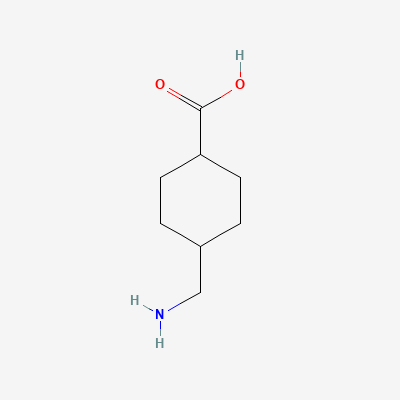
Tranexamic Acid

Hemostatic

Also known as AMCA, Cyclokapron, Lysteda, Transamin

START
Confirm bleeding indication. Screen for thromboembolic history. Baseline creatinine. For menorrhagia: start at onset of menses.
TYPICAL MAX
3.9 g/day (oral); 30 mg/kg/day IV. Do not exceed 5 days per menstrual cycle.
STOP IF
Signs of thrombosis (leg pain, chest pain, dyspnea, visual changes), color vision changes, seizures, severe hypersensitivity
WATCH
Renal function (dose adjustment), signs of thrombosis, visual changes, menstrual bleeding pattern, hemoglobin
CDSCO approvedSchedule HJan AushadhiATC B02AA02
Dose laddermg/d
650start1.3kmax3.9kceiling
Renal dose adjustmenteGFR mL/min/1.73m²
FULLFull dose: 1-1.3 g PO TID or 10 mg/kg IV q6-8h50REDUCEReduce by ~50%30REDUCEReduce by ~75%10AVOID25% of sta…90

KDIGO 2024 + manufacturer label

Pharmacokineticsplasma · t hours
2hONSET3hPEAK2h8hDURATION
ONSET
2h · 1-2 h (oral)
PEAK
3h · 3 h (oral MR)
2h · ~2 h (plasma)
DURATION
8h · 6-8 h (q6-8h dosing)
EXCRETION
>95% renal unchanged; minimal metabolism
route + CYP
INTERACTIONS
12 major
incl. contraindicated
PREGNANCY
FDA PLLR: Crosses placenta. No evidence of teratogenicity. Use with caution; benefit should outweigh risk. May be used for postpartum hemorrhage (WOMAN trial showed safety and efficacy).
FDA category + note
Top interactionssee all 12
  • AlteplaseContraindicatedDatabaseDDInter
  • StreptokinaseContraindicatedDatabaseDDInter
  • Combined Hormonal ContraceptivesContraindicatedDatabaseKimi deep-research + Cla
  • UrokinaseContraindicatedDatabaseDDInter
Available in India

324 branded formulations and 392 fixed-dose combinations. Look up specific brands in the Drugs workspace.

Jan Aushadhi — generic available at GoI pharmacies

Mechanism

Tranexamic acid is a synthetic lysine analog that competitively inhibits the activation of plasminogen to plasmin by blocking the lysine-binding sites on plasminogen. This prevents plasmin from binding to and degrading fibrin, thereby stabilizing clots and reducing bleeding. It does not affect platelet function or coagulation factor levels. The antifibrinolytic effect is exerted both systemically and locally at bleeding sites.

Indications

Heavy menstrual bleeding (menorrhagia)Short-term prevention/treatment of bleeding in hemophilia (dental extractions)Hereditary angioedema (prophylaxis — off-label)Trauma-associated hemorrhage (IV — CRASH-2 trial evidence)Surgical bleeding reduction (orthopedic, cardiac, major surgery)Epistaxis (off-label, topical or oral)Postpartum hemorrhage (off-label — WOMAN trial)Melasma (topical — off-label)

Dosing

Adult
Menorrhagia: 1300 mg PO TID (max 5 days during menses) OR 1 g PO TDS. Hemophilia bleeding: 10 mg/kg IV q6-8h OR 25 mg/kg PO q6-8h. Trauma: 1 g IV over 10 min, then 1 g IV over 8 hours (CRASH-2). Postpartum hemorrhage: 1 g IV over 10 min (WOMAN trial).
Pediatric
Hemophilia bleeding (≥1 month): 25 mg/kg PO q6-8h OR 10 mg/kg IV q6-8h. Trauma: same as adult dosing (weight-based).
Renal adjustment
CrCl 30-50: reduce dose by ~50%. CrCl 10-30: reduce dose by ~75%. CrCl <10: 25% of standard dose or avoid. IV dosing requires adjustment based on eGFR.
Hepatic adjustment
No adjustment required (not metabolized hepatically).
Geriatric
No specific adjustment; monitor renal function. Increased thrombosis risk with age.
Max dose
3.9 g/day (menorrhagia); 30 mg/kg/day (parenteral)

Pharmacokinetics

Onset
Antifibrinolytic effect within 1-2 hours of oral administration.
Peak effect
Oral: peak plasma at 3 hours (modified-release). IV: immediate peak at end of infusion.
Duration
6-8 hours (supports q6-8h dosing).
Half-life
~2 hours (plasma); terminal elimination ~11 hours. 95% excreted unchanged in urine within 24h.
Bioavailability
~43.9% (oral modified-release); food does not significantly affect absorption.
Protein binding
~3% (very low; binds primarily to plasminogen).
Metabolism
Minimal hepatic metabolism (<5% of dose metabolized). Primarily excreted unchanged.
Excretion
Renal: >95% excreted unchanged in urine via glomerular filtration within 24 hours.

Contraindications

  • Concomitant use of combined hormonal contraceptives (FDA §4.1 — thrombotic risk)
  • Active thromboembolic disease, or a history of / intrinsic risk of thrombosis or thromboembolism incl. retinal vein/artery occlusion (FDA §4.1 — absolute)
  • Hypersensitivity to tranexamic acid
  • Subarachnoid hemorrhage (cerebral edema/infarction risk)

Side effects

Common
Nausea, vomiting, diarrheaHeadacheBack painMuscle crampsAnemia
Serious
  • Thromboembolic events (DVT, PE, stroke — rare but serious; increased risk with prolonged use or history of thrombosis)
  • Color vision disturbances/retinal changes (retinal vein/artery occlusion)
  • Seizures (especially with high IV doses or renal impairment)
  • Hypersensitivity reactions (anaphylaxis)
  • Subarachnoid hemorrhage complications (cerebral edema, infarction)

Pregnancy & lactation

Pregnancy

FDA PLLR: Crosses placenta. No evidence of teratogenicity. Use with caution; benefit should outweigh risk. May be used for postpartum hemorrhage (WOMAN trial showed safety and efficacy).

Lactation

Excreted in breast milk at ~1% of maternal dose. Compatible with breastfeeding per AAP. Monitor infant for GI upset.

Drug interactions

Alteplase
Contraindicated
Database

Tranexamic acid inhibits fibrinolysis, directly counteracting the thrombolytic effect of alteplase. This renders alteplase ineffective and may increase the risk of re-thrombosis.

Concomitant use is contraindicated. Tranexamic acid should not be administered with fibrinolytic agents.

Source: DDInter

Streptokinase
Contraindicated
Database

Tranexamic acid inhibits fibrinolysis, directly counteracting the thrombolytic effect of streptokinase. This renders streptokinase ineffective and may increase the risk of re-thrombosis.

Concomitant use is contraindicated. Tranexamic acid should not be administered with fibrinolytic agents.

Source: DDInter

Combined Hormonal Contraceptives
Contraindicated
Database

Both tranexamic acid and hormonal contraceptives increase thromboembolic risk. Combined use may further increase risk of DVT, PE, and stroke.

Assess individual thrombosis risk. Use lowest effective tranexamic acid dose for shortest duration. Consider progestin-only contraception if long-term TXA needed.

Source: Kimi deep-research + Cla

Urokinase
Contraindicated
Database

Tranexamic acid inhibits fibrinolysis, directly counteracting the thrombolytic effect of urokinase. This renders urokinase ineffective and may increase the risk of re-thrombosis.

Concomitant use is contraindicated. Tranexamic acid should not be administered with fibrinolytic agents.

Source: DDInter

Anti Inhibitor Coagulant Complex (apcc)
Severe
Database

Increased risk of thrombosis, particularly in patients with hemophilia with inhibitors, due to the antifibrinolytic effect of tranexamic acid and the procoagulant effect of APCC.

Avoid concomitant use if possible. If essential, administer with extreme caution and close monitoring for thrombotic events. Consider a reduced dose of tranexamic acid and/or careful timing of administration.

Anti Inhibitor Coagulant Complex
Severe
Database

Clinical effect not specified

Source: DDInter
Carfilzomib
Severe
Database

Drug interaction classified as: synergy

Source: DDInter

Conjugated Estrogens
Severe
Database

Clinical effect not specified

Source: DDInter

Diethylstilbestrol
Severe
Database

Clinical effect not specified

Source: DDInter

Drospirenone
Severe
Database

Clinical effect not specified

Source: DDInter

Esterified Estrogens
Severe
Database

Clinical effect not specified

Source: DDInter

Estradiol
Severe
Database

Drug interaction classified as: synergy

Source: DDInter

Related guidelines

Other Hemostatic drugs

Ask House about Tranexamic Acid

Continue into a citation-backed clinical answer with the drug context already attached.

Sources: KD Tripathi 7e, Goodman & Gilman 14e, Harrison 22e, Katzung·Verified: 2026-05-18 · House clinical team·Cockpit curated: 2026-05-18