Drug lookup
Drug reference

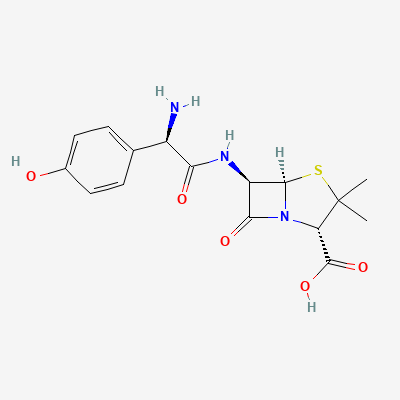
Amoxicillin

Penicillin · Antibiotic

Also known as Amoxicillin trihydrate, Amoxil, Moxilin, Wymox, Trimox
START
500 mg PO TID (or 875 mg BID)
TYPICAL MAX
1,000 mg TID (severe / dental prophylaxis bolus)
STOP IF
Penicillin allergy · mononucleosis (rash)
WATCH
Rash · C. difficile · candidal overgrowth
CDSCO approvedSchedule HJan AushadhiNPPA price-controlledATC J01CA04
Dose laddermg/d
250start500standard TID875BID alternate3kmax
Renal dose adjustmenteGFR mL/min/1.73m²
FULLFull dose30CAUTIONStandard dose q12h10REDUCEStandard do…90

KDIGO 2024 + manufacturer label

Pharmacokineticsplasma · t hours
30minONSET1.5hPEAK1h8hDURATION
ONSET
30min · absorption begins
PEAK
1.5h · Cmax
1h · plasma t½
DURATION
8h · TID dosing window
EXCRETION
60-80% renal unchanged · minimal hepatic
route + CYP
INTERACTIONS
6 major
SEVERE in our sources
PREGNANCY
Category B — first-line in pregnancy for sensitive infections
FDA category + note
Top interactionssee all 12
  • DesogestrelSevereTextbook-citedKDT 7e · p948
  • EthinylestradiolSevereTextbook-citedKDT 7e · p948
  • LevonorgestrelSevereTextbook-citedKDT 7e · p948
  • NorethisteroneSevereTextbook-citedKDT 7e · p948
Available in India

5 branded formulations and 10 fixed-dose combinations. Look up specific brands in the Drugs workspace.

Jan Aushadhi — generic available at GoI pharmacies

Mechanism

Amoxicillin is a bactericidal antibiotic that inhibits bacterial cell wall synthesis. It binds to penicillin-binding proteins (PBPs) located on the inner membrane of the bacterial cell wall, which are essential for peptidoglycan synthesis. This binding prevents the cross-linking of peptidoglycan chains, leading to a defective cell wall and subsequent bacterial lysis and death.

Indications

Acute otitis mediaStreptococcal pharyngitisUpper and lower respiratory tract infections (e.g., sinusitis, bronchitis, pneumonia)Urinary tract infectionsSkin and soft tissue infectionsHelicobacter pylori eradication (as part of multi-drug regimen)Dental prophylaxis for endocarditisLyme disease (early localized)Small intestinal bacterial overgrowth (SIBO)Respiratory tract infections (sinusitis, otitis media, acute exacerbations of chronic bronchitis, epiglottitis, pneumonia)Enterococcus faecalis infectionsListeria infectionsBacterial pharyngitisCommunity-acquired pneumonia (low risk for drug-resistant pathogens)Acute otitis media in childrenH. pylori eradication therapyProphylaxis for dental extraction, tonsillectomy, endoscopiesSurgical prophylaxisProphylaxis for dirty/contaminated surgical wounds (with clavulanate)Skin and soft tissue infections (in combination with clavulanic acid)Intra-abdominal and gynaecological sepsis (in combination with clavulanic acid)Urinary, biliary and respiratory tract infections, especially when empiric antibiotic therapy is to be given for hospital acquired infections (in combination with clavulanic acid)Gonorrhoea (including PPNG) (in combination with clavulanic acid)Infections caused by beta-lactamase producing resistant Staph. aureus (but not MRSA) (in combination with clavulanic acid)Infections caused by H. influenzae, N. gonorrhoeae, E. coli, Proteus, Klebsiella, Salmonella, Shigella (in combination with clavulanic acid)Infections caused by Bact. fragilis and Branhamella catarrhalis (in combination with clavulanic acid)nonpenicillinase producing gonorrhoeauncomplicated acute UTI (in combination with clavulanic acid)acute pyelonephritis (parenteral coamoxiclav with gentamicin, empirically)Mild leptospirosis

Dosing

Adult
Oral: 250-500 mg every 8 hours or 500-875 mg every 12 hours, depending on infection severity and type. For severe infections, up to 1 gram every 8 hours. Max 4 g/day.
Pediatric
Oral: 20-90 mg/kg/day in 2-3 divided doses, depending on infection severity. Max 1 gram per dose, 4 g/day.
Renal adjustment
CrCl 10-30 mL/min: 250-500 mg every 12 hours. CrCl <10 mL/min: 250-500 mg every 24 hours. Hemodialysis: 250-500 mg every 24 hours, with an additional dose during or after dialysis.
Hepatic adjustment
No specific dose adjustment required for mild to moderate hepatic impairment. Use with caution in severe hepatic impairment; monitor liver function.
Geriatric
No specific dose adjustment is typically required beyond renal function considerations. Monitor renal function due to age-related decline.
Max dose
4 grams per day (adults)

Pharmacokinetics

Onset
Rapid
Peak effect
Oral: 1-2 hours
Duration
6-8 hours
Half-life
1-1.5 hours (normal renal function)
Bioavailability
75-90% (oral)
Protein binding
17-20%
Metabolism
Minimally metabolized; approximately 10-25% converted to inactive penicilloic acid in the liver.
Excretion
Primarily renal (60-80% excreted unchanged in urine via tubular secretion and glomerular filtration within 6 hours)

Contraindications

  • Hypersensitivity to amoxicillin or other penicillins
  • History of severe hypersensitivity reaction to any other beta-lactam antibiotic (e.g., cephalosporins, carbapenems)
  • Infectious mononucleosis (increased risk of maculopapular rash)

Side effects

Common
NauseaVomitingDiarrheaRash (maculopapular)HeadacheAbdominal discomfortSuperinfection diarrhoeas (less liable than ampicillin)Poorer g.i. tolerance (especially in children) (with clavulanic acid)Candida stomatitis/vaginitis (with clavulanic acid)Rashes (with clavulanic acid)Gastrointestinal side effects (e.g., diarrhea)
Serious
  • Anaphylaxis
  • Stevens-Johnson Syndrome (SJS)
  • Toxic Epidermal Necrolysis (TEN)
  • Clostridioides difficile-associated diarrhea (CDAD)
  • Drug Reaction with Eosinophilia and Systemic Symptoms (DRESS) syndrome
  • Interstitial nephritis
  • Hemolytic anemia
  • Thrombocytopenia
  • Leukopenia
  • Seizures (especially with high doses or renal impairment)
  • Hepatic injury (with clavulanic acid)
  • Hypersensitivity reactions (rash to anaphylaxis)
  • Serum sickness
  • Stevens-Johnson syndrome
  • Nephropathy
  • Hematologic reactions (neutropenia, prolonged use)
  • Neurotoxicity (seizure, high doses, renal impairment)

Pregnancy & lactation

Pregnancy

Category B — first-line in pregnancy for sensitive infections

Lactation

Amoxicillin is excreted into breast milk in small amounts. Generally considered safe, but monitor infant for potential adverse effects such as diarrhea, candidiasis (thrush), or rash.

Drug interactions

Desogestrel
Severe
Textbook-cited

Reduced contraceptive efficacy; risk of unintended pregnancy

Advise use of alternative or additional contraception during antibiotic course

Source: KDT 7e · p948

Ethinylestradiol
Severe
Textbook-cited

Reduced contraceptive efficacy; risk of unintended pregnancy

Advise use of alternative or additional contraception during antibiotic course

Source: KDT 7e · p948

Levonorgestrel
Severe
Textbook-cited

Reduced contraceptive efficacy; risk of unintended pregnancy.

Advise use of alternative or additional contraception during antibiotic course

Source: KDT 7e · p948

Norethisterone
Severe
Textbook-cited

Reduced contraceptive efficacy; risk of unintended pregnancy

Advise use of alternative or additional contraception during antibiotic course

Source: KDT 7e · p948

Warfarin
Severe
Textbook-cited

Elevated INR and increased bleeding risk.

Monitor INR closely; reduce anticoagulant dose if needed

Source: KDT 7e · p948

Methotrexate
Severe
Database

Drug interaction classified as: excretion.

Source: DDInter

Azithromycin
Moderate
Textbook-cited

Reduced antibacterial efficacy; therapeutic failure.

Avoid concurrent use of bacteriostatic and bactericidal antibiotics

Source: KDT 7e · p949

Chloramphenicol
Moderate
Textbook-cited

Reduced antibacterial efficacy; therapeutic failure.

Avoid concurrent use of bacteriostatic and bactericidal antibiotics

Source: KDT 7e · p949

Clarithromycin
Moderate
Textbook-cited

Reduced antibacterial efficacy; therapeutic failure.

Avoid concurrent use of bacteriostatic and bactericidal antibiotics

Source: KDT 7e · p949

Clindamycin
Moderate
Textbook-cited

Reduced antibacterial efficacy; therapeutic failure.

Avoid concurrent use of bacteriostatic and bactericidal antibiotics

Source: KDT 7e · p949

Doxycycline
Moderate
Textbook-cited

Reduced antibacterial efficacy; therapeutic failure.

Avoid concurrent use of bacteriostatic and bactericidal antibiotics

Source: KDT 7e · p949

Erythromycin
Moderate
Textbook-cited

Reduced antibacterial efficacy; therapeutic failure.

Avoid concurrent use of bacteriostatic and bactericidal antibiotics

Source: KDT 7e · p949

Related guidelines

Other Penicillin drugs

Ask House about Amoxicillin

Continue into a citation-backed clinical answer with the drug context already attached.

Sources: KD Tripathi 7e, Goodman & Gilman 14e, Harrison 22e, Katzung·Verified: 2026-05-16 · House clinical team·Cockpit curated: 2026-05-16