Drug lookup
Drug reference

Aspirin

NSAID · Analgesic

Also known as Acetylsalicylic acid, ASA
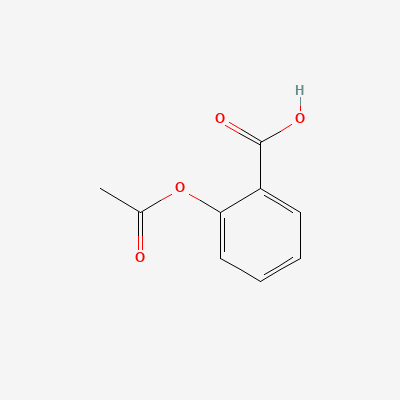
START
75-100 mg PO once daily (antiplatelet)
TYPICAL MAX
300-650 mg q4-6h PRN (analgesic) · max 4 g/day
STOP IF
Active GI bleed · age <16 (Reye's) · severe asthma
WATCH
GI bleed · tinnitus · uric acid · platelet effect 7-10d after dose
CDSCO approvedOTC (for low-dose formulations used for antiplatelet effect, or as analgesic for specific pack sizes and strengths); Schedule H for higher strengths or specific formulations as per state regulations.Jan AushadhiATC B01AC06
Dose laddermg/d
75start100titrate162STEMI loading325titrate4kmax
Renal dose adjustmenteGFR mL/min/1.73m²
FULLAntiplatelet doses OK; avoid analgesic-dose chronic use30CAUTIONAntiplatelet only — avoid analgesic d…90

KDIGO 2024 + manufacturer label

Pharmacokineticsplasma · t hours
30minONSET1hPEAK18min1.4wDURATION
ONSET
30min · platelet COX-1 inhibition
PEAK
1h · Cmax (chewed: faster)
18min · salicylate t½ (active 2-3h, dose-dependent)
DURATION
1.4w · platelet effect lifetime (7-10 days)
EXCRETION
Hepatic deacetylation · renal salicylate metabolites
route + CYP
INTERACTIONS
12 major
incl. contraindicated
PREGNANCY
Category C (low-dose) / D (high-dose 3rd trimester)
FDA category + note
Top interactionssee all 12
  • AlcoholContraindicatedTextbook-citedKDT 7e · p950
  • MethotrexateContraindicatedTextbook-citedKDT 7e · p949
  • SulfasalazineContraindicatedTextbookG&G 14e · p1112
  • KetorolacContraindicatedDatabaseKimi deep-research + Cla
Available in India

188 branded formulations and 676 fixed-dose combinations. Look up specific brands in the Drugs workspace.

Jan Aushadhi — generic available at GoI pharmacies

Mechanism

Aspirin irreversibly inhibits cyclooxygenase (COX-1 and COX-2) enzymes by acetylation, thereby blocking the synthesis of prostaglandins and thromboxane A2 (TXA2). This leads to its anti-inflammatory, analgesic, and antipyretic effects. Its antiplatelet action is primarily due to the irreversible inhibition of TXA2 in platelets, which prevents platelet aggregation for their lifespan.

Indications

Mild to moderate pain reliefFever reductionInflammatory conditions (e.g., rheumatoid arthritis, osteoarthritis)Acute myocardial infarction (MI)Prevention of cardiovascular events (secondary prevention of MI, stroke, transient ischemic attack)Kawasaki disease (off-label)Prevention of pre-eclampsia (off-label)Colorectal cancer prevention (off-label)prevention of major adverse cardiac and limb events in patients with coronary or peripheral artery disease (in combination with low-dose rivaroxaban)acute myocardial infarctionacute ischemic strokesecondary prevention in patients with stroke, coronary artery disease, or peripheral artery diseaseCardioprotection (low dose)AnalgesiaAntipyresisAnti-inflammationRheumatic feverKawasaki diseasePreeclampsia (low-dose, 81 or 100 mg, reduces incidence of preterm preeclampsia in women at increased risk)Cancer chemoprevention (colorectal cancer, especially in Lynch syndrome)Systemic mastocytosis (adjunct therapy for PGD2-mediated symptoms)Niacin tolerability (inhibits facial flushing)Closure of inappropriately patent ductus arteriosus in neonates (off-label)PainFeverInflammationVascular indicationsRheumatoid diseaseReduces the risk of recurrent adenomas in persons with a history of colorectal cancer or adenomasheadacheantiplateletrheumatoid arthritisRelief of dysmenorrhoeaAntithrombotic effectAntipyreticReduction of colon cancer incidenceheadache (including mild migraine)backachemyalgiajoint painpulled muscletoothacheneuralgiasdysmenorrhoeaacute rheumatic feverosteoarthritis (symptomatic relief)postmyocardial infarction (lowers incidence of reinfarction)poststroke (lowers incidence of stroke)pregnancy-induced hypertension and pre-eclampsia (low dose)patent ductus arteriosus (closure)familial colonic polyposis (suppress polyp formation)prevention of colon cancerprevention of flushing attending nicotinic acid ingestionProphylaxis of thromboembolic disordersPrevention of MI (primary and secondary)Coronary artery diseaseAcute coronary syndromes (unstable angina, NSTEMI, STEMI)Prevention of reinfarction and reduction of mortality in post-MI patientsCerebrovascular disease (TIAs, stroke prevention)Prosthetic heart valves (reduce microthrombi and embolism)Arteriovenous shunts (reduce microthrombi and embolism)Peripheral vascular disease (intermittent claudication, thromboembolism reduction)Prophylaxis for hospitalized cancer patientsProphylaxis for cancer patients receiving a thalidomide analogueAntiplatelet therapy for NSTE-ACSManagement of patients with suspected ST-segment elevation myocardial infarction (STEMI)Secondary prevention after STEMIprophylaxis for VTE after major orthopedic surgery

Dosing

Adult
Analgesic/Antipyretic: 300-650 mg orally every 4-6 hours as needed; max 4g/day. Anti-inflammatory: 2.4-4 g/day orally in divided doses. Antiplatelet (secondary prevention): 75-150 mg orally once daily. Acute MI: Initial dose 150-300 mg orally, chewed, then 75-150 mg daily.
Pediatric
Not recommended for analgesic/antipyretic in children <16 years due to Reye's syndrome risk. Kawasaki disease (off-label): Initial 80-100 mg/kg/day in 4 divided doses until afebrile for 48-72 hours, then 3-5 mg/kg/day once daily for 6-8 weeks.
Renal adjustment
eGFR 10-50 mL/min: Use with caution, consider dose reduction. eGFR <10 mL/min: Avoid or use with extreme caution.
Hepatic adjustment
Mild-to-moderate impairment: Use with caution, monitor for signs of toxicity. Severe impairment: Contraindicated.
Geriatric
Use lowest effective dose. Increased risk of GI bleeding and renal impairment. Monitor renal function and for signs of bleeding.
Max dose
4g/day (for analgesic/antipyretic); 150 mg/day (for antiplatelet secondary prevention)

Pharmacokinetics

Onset
Analgesic/Antipyretic: 5-30 minutes. Antiplatelet: Within 1 hour (irreversible effect).
Peak effect
1-2 hours (for parent drug); 2-4 hours (for salicylic acid metabolite).
Duration
Analgesic: 4-6 hours. Antiplatelet: 7-10 days (for the lifespan of platelets).
Half-life
Aspirin: 15-20 minutes. Salicylic acid (active metabolite): Dose-dependent, 2-3 hours at low doses, up to 15-30 hours at anti-inflammatory doses.
Bioavailability
Rapid and complete absorption from GI tract, but undergoes extensive first-pass hydrolysis to salicylic acid.
Protein binding
Salicylic acid: 70-90% (dose-dependent).
Metabolism
Primarily hydrolyzed to salicylic acid in the gastrointestinal mucosa, liver, and blood. Salicylic acid is further conjugated in the liver.
Excretion
Mainly renal, as salicylic acid and its conjugated metabolites.

Contraindications

  • Hypersensitivity to aspirin, other salicylates, or NSAIDs
  • Asthma, rhinitis, and nasal polyps (NSAID-exacerbated respiratory disease)
  • Children or adolescents with viral infections (risk of Reye's syndrome)
  • Active peptic ulcer disease or gastrointestinal bleeding
  • Bleeding disorders (e.g., hemophilia)
  • Severe renal impairment
  • Severe hepatic impairment
  • Third trimester of pregnancy
  • Concomitant use with methotrexate (>15 mg/week)
  • Children and young adults less than 20 years of age with viral illness–associated fever (risk of Reye syndrome)
  • Severe hepatic damage
  • Hypoprothrombinemia
  • Vitamin K deficiency
  • Hemophilia
  • Third trimester of pregnancy (risk of premature closure of ductus arteriosus)
  • Use in children (limited due to Reye syndrome association)
  • patients sensitive to it
  • peptic ulcer
  • bleeding tendencies
  • children suffering from chickenpox or influenza (due to risk of Reye's syndrome)
  • chronic liver disease (cautious use)
  • diabetics (cautious use)
  • low cardiac reserve or frank CHF (cautious use)
  • juvenile rheumatoid arthritis (cautious use)
  • at or near term pregnancy
  • G-6PD deficient individuals (high doses)
  • Severe active bleeding
  • Aspirin allergy

Side effects

Common
DyspepsiaNauseaHeartburnGI discomfortTinnitus (at higher doses)bleeding (increased with higher doses)Epigastric distressVomitingErosive and reactive gastropathiesGI ulcerationGI hemorrhage (can be painless, leading to iron-deficiency anemia)Increased fecal blood lossHearing impairmentTinnitusChanges in perceived soundsFatigueMuscle weaknessDiarrheaDehydrationHeadacheDizzinessDrowsinessSweatingThirstHyperventilationPrimarily GIPrimarily cardiovascularInduction of asthma (in some individuals)increased occult blood loss in stoolsgastric mucosal damagepeptic ulcerationGastrointestinal (dyspepsia, erosive gastritis, peptic ulcers with bleeding and perforation)
Serious
  • Gastrointestinal bleeding
  • Peptic ulceration
  • Reye's syndrome (in children with viral infections)
  • Hypersensitivity reactions (bronchospasm, angioedema, anaphylaxis)
  • Renal dysfunction
  • Hepatic toxicity
  • Prolonged bleeding time
  • Hemorrhagic stroke
  • Reye syndrome
  • Liver injury (with high doses, >150 μg/mL plasma salicylate)
  • Congestive cardiac failure (high doses)
  • Pulmonary edema (high doses, noncardiogenic)
  • Bleeding/hemorrhage (especially with severe hepatic damage, hypoprothrombinemia, vitamin K deficiency, or hemophilia)
  • Hyperkalemia (in combination with ACE inhibitors)
  • Acute kidney injury
  • Acute interstitial nephritis
  • Anemia
  • Hemolysis (in G6PD deficiency)
  • Myocardial infarction (in primary prevention, balanced by GI bleeding risk)
  • Intracranial bleeds (low dose)
  • Respiratory depression (toxic doses)
  • Circulatory collapse (toxic doses)
  • Petechiae (toxic doses)
  • Hyperglycemia
  • Glycosuria
  • Hypoglycemic coma (in children with toxic doses)
  • Negative nitrogen balance
  • Convulsions (toxic doses)
  • Delirium (toxic doses)
  • Psychosis (toxic doses)
  • Stupor (toxic doses)
  • Coma (toxic doses)
  • Metabolic acidosis (toxic doses)
  • Salicylate intoxication
  • haemolysis in G-6PD deficient individuals
  • premature closure of ductus arteriosus (teratogenic)
  • peptic ulcer
  • profuse gastric bleeding
  • salicylism (dizziness, tinnitus, vertigo, reversible impairment of hearing and vision, excitement and mental confusion, hyperventilation and electrolyte imbalance)
  • insidious onset hepatic injury (long-term high dose)
  • acute salicylate poisoning (vomiting, dehydration, electrolyte imbalance, acidotic breathing, hyper/hypoglycaemia, petechial haemorrhages, restlessness, delirium, hallucinations, hyperpyrexia, convulsions, coma, respiratory failure, cardiovascular collapse)
  • Reye's syndrome (in children with viral infection)
  • negative N2 balance
  • haemolysis (in G-6PD deficient individuals)
  • respiratory depression (at higher doses)
  • metabolic acidosis (at higher doses)
  • dehydration
  • precipitation of CHF (in patients with low cardiac reserve)
  • angioneurotic swellings
  • urticaria
  • rhinitis
  • asthma
  • anaphylactoid reactions
  • G.i. bleeding (especially when combined with anticoagulants)
  • Cerebral haemorrhage (increased risk in primary prevention)
  • Major bleeding (1–3% per year)
  • Intracerebral hemorrhage

Pregnancy & lactation

Pregnancy

Category C (low-dose) / D (high-dose 3rd trimester)

Lactation

Aspirin and its metabolites are excreted into breast milk. High doses or chronic use should be avoided due to potential risk of Reye's syndrome in infants. Low-dose (75-150 mg/day) may be considered with caution under medical supervision, but paracetamol or ibuprofen are generally preferred.

Drug interactions

Alcohol
Contraindicated
Textbook-cited

Increased risk of gastric bleeding

Concurrent use is contraindicated

Source: KDT 7e · p950

Methotrexate
Contraindicated
Textbook-cited

Severe methotrexate toxicity (pancytopenia, mucositis).

Avoid concurrent use

Source: KDT 7e · p949

Sulfasalazine
Contraindicated
Textbook

Exacerbation of inflammatory bowel disease (IBD).

Avoid combining sulfasalazine with traditional NSAIDs.

Source: G&G 14e · p1112

Ketorolac
Contraindicated
Database

Additive GI bleeding and renal toxicity; no additional analgesic benefit

Do not combine with other NSAIDs or aspirin

Source: Kimi deep-research + Cla

Carbenicillin
Severe
Textbook-cited

Excessive platelet inhibition and increased bleeding risk

Avoid concurrent use

Source: KDT 7e · p948

Dexamethasone
Severe
Textbook-cited

Significantly increased GI bleeding risk.

Concurrent use is contraindicated; if unavoidable, add PPI

Source: KDT 7e · p950

Glibenclamide
Severe
Textbook-cited

Hypoglycemia.

Avoid concurrent use; substitute with paracetamol if analgesic needed

Source: KDT 7e · p949

Gliclazide
Severe
Textbook-cited

Hypoglycemia.

Avoid concurrent use; substitute with paracetamol if analgesic needed

Source: KDT 7e · p949

Glimepiride
Severe
Textbook-cited

Hypoglycemia.

Avoid concurrent use; substitute with paracetamol if analgesic needed

Source: KDT 7e · p949

Glipizide
Severe
Textbook-cited

Hypoglycemia.

Avoid concurrent use; substitute with paracetamol if analgesic needed

Source: KDT 7e · p949

Heparin
Severe
Textbook-cited

Increased bleeding risk.

Avoid concurrent use

Source: KDT 7e · p949

Hydrocortisone
Severe
Textbook-cited

Significantly increased GI bleeding risk.

Concurrent use is contraindicated; if unavoidable, add PPI

Source: KDT 7e · p950

Related guidelines

Other NSAID drugs

Ask House about Aspirin

Continue into a citation-backed clinical answer with the drug context already attached.

Sources: KD Tripathi 7e, Goodman & Gilman 14e, Harrison 22e, Katzung·Verified: 2026-05-16 · House clinical team·Cockpit curated: 2026-05-16