Drug lookup
Drug reference

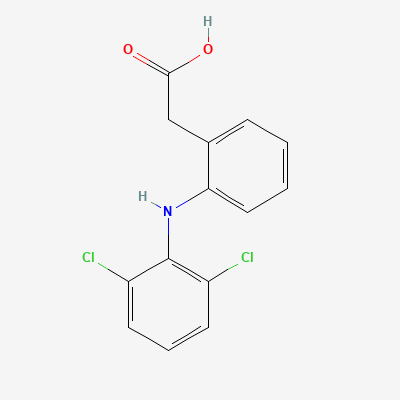
Diclofenac

NSAID · Analgesic

Also known as Diclofenac Sodium, Diclofenac Potassium, Diclofenac Epolamine, Voltaren, Cataflam, Voveran
START
50 mg PO TID with food
TYPICAL MAX
150 mg/day
STOP IF
Active GI bleed · severe CKD · CV disease
WATCH
LFTs · creatinine · BP · MI risk
CDSCO approvedSchedule HJan AushadhiNPPA price-controlledATC M01AB05
Dose laddermg/d
50standard75BID alternate100SR once-daily150max daily
Renal dose adjustmenteGFR mL/min/1.73m²
FULLShort-term use OK60CAUTIONUse with caution30AVOIDAvoid — high AKI risk90

KDIGO 2024 + manufacturer label

Pharmacokineticsplasma · t hours
30minONSET1hPEAK2h8hDURATION
ONSET
30min · analgesic effect
PEAK
1h · Cmax
2h · plasma t½
DURATION
8h · single-dose effect
EXCRETION
Hepatic CYP2C9 · biliary + renal metabolites
route + CYP
INTERACTIONS
12 major
incl. contraindicated
PREGNANCY
Category C (1st/2nd) → D (3rd trimester)
FDA category + note
Top interactionssee all 12
  • AlcoholContraindicatedTextbook-citedKDT 7e · p950
  • MethotrexateContraindicatedTextbook-citedKDT 7e · p949
  • CiprofloxacinSevereTextbook-citedKDT 7e · p949
  • DexamethasoneSevereTextbook-citedKDT 7e · p950
Available in India

1,395 branded formulations and 4,628 fixed-dose combinations. Look up specific brands in the Drugs workspace.

Jan Aushadhi — generic available at GoI pharmacies

Mechanism

Diclofenac primarily exerts its therapeutic effects by inhibiting cyclooxygenase (COX-1 and COX-2) enzymes, which are responsible for the synthesis of prostaglandins. This inhibition leads to reduced production of inflammatory mediators, thereby decreasing pain, inflammation, and fever. It also affects the lipoxygenase pathway to a lesser extent.

Indications

Pain and inflammation associated with rheumatoid arthritisOsteoarthritisAnkylosing spondylitisAcute goutDysmenorrheaPost-operative painRenal colicBiliary colicMigraine attacksFever (adjunctive)Long-term symptomatic treatment of rheumatoid arthritisPainPrimary dysmenorrheaAcute migraineShort-term treatment of pain due to minor strains, sprains, and bruises (topical gel, topical solution, transdermal patch)Topical treatment of actinic keratosis (3% gel)Postoperative inflammation following cataract extraction (ophthalmic solution)Temporary relief of pain and photophobia in patients undergoing corneal refractive surgery (ophthalmic solution)postoperative inflammation and paincystoid macular edema (after cataract surgery)controlling pain (after corneal refractive surgery)rheumatoid arthritisbursitistoothachedysmenorrhoeapost-traumatic inflammatory conditionspostoperative inflammatory conditionsnoninfective ocular conditions (topical)

Dosing

Adult
Oral: 50-100 mg/day in 2-3 divided doses for immediate release; 75-150 mg/day in 1-2 divided doses for sustained release. IM: 75 mg once daily, or 75 mg twice daily in severe cases for not more than 2 days. IV: 75 mg over 30-120 minutes, repeated after 4-6 hours if needed, max 150 mg/day (typically for hospital use).
Pediatric
For Juvenile Idiopathic Arthritis (JIA): Oral 1-3 mg/kg/day in 2-3 divided doses (typically for children >1 year, with a maximum dose of 150 mg/day).
Renal adjustment
Use with caution in mild to moderate renal impairment. Avoid in severe renal impairment (eGFR < 30 mL/min/1.73m²).
Hepatic adjustment
Use with caution in mild to moderate hepatic impairment. Avoid in severe hepatic impairment.
Geriatric
Start with the lowest effective dose due to increased risk of adverse effects, particularly GI bleeding and renal impairment. Monitor renal function and GI symptoms closely.
Max dose
150 mg/day (oral, parenteral, or rectal combined).

Pharmacokinetics

Onset
Oral: 30-60 minutes; IM: 15-30 minutes.
Peak effect
Oral: 1-2 hours (immediate release).
Duration
4-6 hours.
Half-life
1-2 hours (plasma elimination half-life).
Bioavailability
Approximately 50-60% (oral, due to first-pass metabolism).
Protein binding
>99% (primarily to albumin).
Metabolism
Extensive hepatic metabolism, primarily by CYP2C9 and to a lesser extent CYP2C19 and CYP3A4, leading to hydroxylation, followed by glucuronidation and sulfation.
Excretion
Approximately 60% renally (as metabolites), and 30-40% via bile and feces.

Contraindications

  • Hypersensitivity to diclofenac or other NSAIDs
  • Active gastrointestinal bleeding or peptic ulceration
  • History of asthma, urticaria, or allergic reactions precipitated by aspirin or other NSAIDs
  • Severe heart failure (NYHA Class III-IV)
  • Severe renal impairment (eGFR < 30 mL/min/1.73m²)
  • Severe hepatic impairment
  • Peri-operative pain in the setting of coronary artery bypass graft (CABG) surgery
  • Third trimester of pregnancy
  • Established ischemic heart disease, peripheral arterial disease, cerebrovascular disease, or uncontrolled hypertension (use with caution, if at all)
  • Not recommended for children
  • Not recommended for nursing mothers
  • Not recommended for pregnant women

Side effects

Common
Gastrointestinal disturbances (e.g., dyspepsia, nausea, abdominal pain, diarrhea, constipation)HeadacheDizzinessRashFluid retention and edemaElevated liver enzymes (transient and reversible)Side effects (20%)Side effects (particularly GI) in about 20% of patientsElevation of hepatic transaminases in plasma by more than three times the upper normal limit in about 4% of patientsRashesFluid retentionEdemaRenal function impairmentepigastric painnauseagastric ulceration (less common)gastric bleeding (less common)reversible elevation of serum amino-transferases
Serious
  • Gastrointestinal ulceration, bleeding, and perforation (potentially fatal)
  • Cardiovascular thrombotic events (e.g., myocardial infarction, stroke), particularly with high doses and long-term use
  • Hypertension
  • Congestive heart failure exacerbation
  • Acute renal failure
  • Hepatotoxicity (severe hepatic reactions, including jaundice, hepatitis, and fulminant hepatic failure)
  • Anaphylactic/anaphylactoid reactions
  • Severe skin reactions (e.g., Stevens-Johnson syndrome, toxic epidermal necrolysis)
  • Blood dyscrasias (e.g., agranulocytosis, thrombocytopenia, aplastic anemia)
  • Hyperkalemia
  • Hepatotoxicity (risk of 6 to 11 liver injuries per 100,000 users with chronic consumption)
  • Elevated liver enzymes (15%)
  • Serious GI adverse effects
  • Myocardial infarction (incidence similar to COX-2–selective inhibitors)
  • Severe liver injury (6 to 11 per 100,000 regular users annually)
  • CNS effects
  • sterile corneal melts
  • perforations (especially in older patients with ocular surface disease)
  • increased risk of heart attack and stroke
  • kidney damage (rare)

Pregnancy & lactation

Pregnancy

Category C (1st/2nd) → D (3rd trimester)

Lactation

Diclofenac is excreted in breast milk in small amounts. While generally considered compatible with breastfeeding with caution, it's advisable to use the lowest effective dose for the shortest duration and monitor the infant for adverse effects. Consult a pediatrician.

Drug interactions

Alcohol
Contraindicated
Textbook-cited

Increased risk of gastric bleeding

Concurrent use is contraindicated

Source: KDT 7e · p950

Methotrexate
Contraindicated
Textbook-cited

Severe methotrexate toxicity (pancytopenia, mucositis).

Avoid concurrent use

Source: KDT 7e · p949

Ciprofloxacin
Severe
Textbook-cited

Enhanced CNS toxicity including seizures.

Avoid concurrent use

Source: KDT 7e · p949

Dexamethasone
Severe
Textbook-cited

Significantly increased GI bleeding risk.

Concurrent use is contraindicated; if unavoidable, add PPI

Source: KDT 7e · p950

Glibenclamide
Severe
Textbook-cited

Hypoglycemia.

Avoid concurrent use; substitute with paracetamol if analgesic needed

Source: KDT 7e · p949

Gliclazide
Severe
Textbook-cited

Hypoglycemia.

Avoid concurrent use; substitute with paracetamol if analgesic needed

Source: KDT 7e · p949

Glimepiride
Severe
Textbook-cited

Hypoglycemia.

Avoid concurrent use; substitute with paracetamol if analgesic needed

Source: KDT 7e · p949

Glipizide
Severe
Textbook-cited

Hypoglycemia.

Avoid concurrent use; substitute with paracetamol if analgesic needed

Source: KDT 7e · p949

Heparin
Severe
Textbook-cited

Increased bleeding risk.

Avoid concurrent use

Source: KDT 7e · p949

Hydrocortisone
Severe
Textbook-cited

Significantly increased GI bleeding risk.

Concurrent use is contraindicated; if unavoidable, add PPI

Source: KDT 7e · p950

Levofloxacin
Severe
Textbook-cited

Enhanced CNS toxicity, seizure risk.

Avoid concurrent use

Source: KDT 7e · p949

Methylprednisolone
Severe
Textbook-cited

Significantly increased GI bleeding risk.

Concurrent use is contraindicated; if unavoidable, add PPI

Source: KDT 7e · p950

Related guidelines

Other NSAID drugs

Ask House about Diclofenac

Continue into a citation-backed clinical answer with the drug context already attached.

Sources: KD Tripathi 7e, Goodman & Gilman 14e, Harrison 22e, Katzung·Verified: 2026-05-16 · House clinical team·Cockpit curated: 2026-05-16