Drug lookup
Drug reference

Ibuprofen

NSAID · Analgesic

Also known as Ibuprofen lysine, Ibuprofen sodium, Nurofen, Advil, Motrin
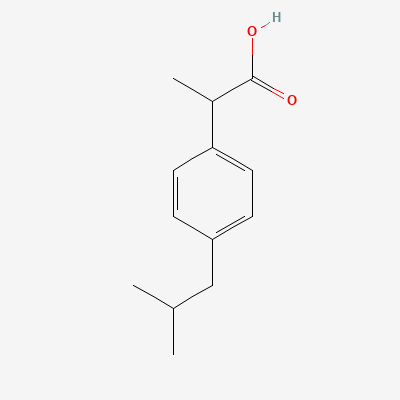
START
400 mg PO q6h PRN with food
TYPICAL MAX
2,400 mg/day OTC · 3,200 mg/day prescribed
STOP IF
Active GI bleed · severe CKD · 3rd-trimester pregnancy
WATCH
GI symptoms · creatinine · BP
CDSCO approvedJan AushadhiNPPA price-controlledATC M01AE01
Dose laddermg/d
200OTC single400standard800high (TID-QID)2.4kOTC max daily3.2kRx ceiling
Renal dose adjustmenteGFR mL/min/1.73m²
FULLShort-term use OK60CAUTIONUse with caution; AKI risk30AVOIDAvoid — high AKI risk90

KDIGO 2024 + manufacturer label

Pharmacokineticsplasma · t hours
30minONSET1.5hPEAK2h6hDURATION
ONSET
30min · analgesic effect
PEAK
1.5h · Cmax
2h · plasma t½
DURATION
6h · single-dose effect
EXCRETION
Hepatic CYP2C9 · <1% renal unchanged
route + CYP
INTERACTIONS
12 major
incl. contraindicated
PREGNANCY
Category C (1st/2nd) → D (3rd: ductal closure, oligohydramnios)
FDA category + note
Top interactionssee all 12
  • AlcoholContraindicatedTextbook-citedKDT 7e · p950
  • MethotrexateContraindicatedTextbook-citedKDT 7e · p949
  • CiprofloxacinSevereTextbook-citedKDT 7e · p949
  • DexamethasoneSevereTextbook-citedKDT 7e · p950
Available in India

66 branded formulations and 420 fixed-dose combinations. Look up specific brands in the Drugs workspace.

Jan Aushadhi — generic available at GoI pharmacies

Mechanism

Ibuprofen exerts its therapeutic effects by reversibly inhibiting cyclooxygenase (COX-1 and COX-2) enzymes. This inhibition prevents the synthesis of prostaglandins, which are key mediators of pain, inflammation, and fever, thereby reducing these symptoms.

Indications

Mild to moderate pain (e.g., headache, dental pain, muscular pain, back pain)FeverInflammation (e.g., osteoarthritis, rheumatoid arthritis)Primary dysmenorrheaMigraine (off-label)Pericarditis (off-label)Symptomatic treatment of rheumatoid arthritisJuvenile arthritisOsteoarthritisPainAnkylosing spondylitisAcute gouty arthritisTendinitisBursitisHeadachePostoperative dental pain and swellingClosure of patent ductus arteriosus in premature infants (injectable formulation)Inflammatory diseasessimple analgesicantipyreticdysmenorrhoearheumatoid arthritismusculoskeletal disorders (especially where pain is prominent)soft tissue injuriesfracturesvasectomytooth extractionpostpartumpostoperatively (to suppress swelling and inflammation)

Dosing

Adult
Oral: For pain/fever, 200-400 mg every 4-6 hours as needed. For inflammatory conditions, 400-800 mg 3-4 times daily. Maximum 3200 mg/day for prescription use, typically 1200 mg/day for OTC use.
Pediatric
Oral: For fever/pain, 5-10 mg/kg/dose every 6-8 hours. Not recommended for infants less than 6 months of age. Maximum 40 mg/kg/day.
Renal adjustment
CrCl 30-60 mL/min: Use with caution, consider dose reduction and close monitoring. CrCl <30 mL/min: Avoid use due to increased risk of renal toxicity.
Hepatic adjustment
Use with caution in mild to moderate hepatic impairment. Consider dose reduction. Avoid in severe hepatic failure.
Geriatric
Start with lower doses (e.g., 200 mg) and titrate cautiously due to increased risk of GI, renal, and cardiovascular adverse effects. Monitor renal function and fluid status closely.
Max dose
Adults: 3200 mg/day (prescription); 1200 mg/day (OTC). Pediatric: 40 mg/kg/day.

Pharmacokinetics

Onset
30-60 minutes
Peak effect
1-2 hours (oral)
Duration
4-6 hours
Half-life
1.8-2.5 hours
Bioavailability
80-100% (oral)
Protein binding
>90% (primarily to albumin)
Metabolism
Extensive hepatic metabolism via oxidation (primarily CYP2C9 and CYP2C8) and conjugation to inactive metabolites.
Excretion
Primarily renal excretion as inactive metabolites

Contraindications

  • Hypersensitivity to ibuprofen, aspirin, or other NSAIDs
  • Active gastrointestinal bleeding or peptic ulcer disease
  • Severe renal impairment (CrCl <30 mL/min)
  • Severe hepatic impairment
  • Severe uncontrolled heart failure
  • Third trimester of pregnancy
  • Coronary artery bypass graft (CABG) surgery (peri-operative pain)
  • Patients who develop ocular disturbances should discontinue the use of ibuprofen and have an ophthalmic evaluation.
  • pregnant women
  • peptic ulcer patients

Side effects

Common
NauseaDyspepsiaHeartburnAbdominal painDiarrheaConstipationHeadacheDizzinessRashFluid retentionGI side effects (5% to 15% of patients)Rashes (3%–9%)Headache (1%–3%)Dizziness (3%–9%)Fluid retention (1%–3%)Edema (1%–3%)gastric discomfortvomitingblurring of visiontinnitusdepressionrashesitching
Serious
  • Gastrointestinal bleeding or perforation
  • Renal impairment or acute kidney injury
  • Cardiovascular thrombotic events (e.g., MI, stroke)
  • Severe cutaneous adverse reactions (e.g., SJS, TEN)
  • Anaphylactic reactions
  • Exacerbation of asthma
  • Hepatotoxicity
  • Hypertension
  • Thrombocytopenia (<1%)
  • Blurred vision (<1%)
  • Toxic amblyopia (<1%)
  • gastric erosion (rare)
  • occult blood loss (rare)
  • precipitation of aspirin-induced asthma

Pregnancy & lactation

Pregnancy

Category C (1st/2nd) → D (3rd: ductal closure, oligohydramnios)

Lactation

Excreted in breast milk in very small amounts. Generally considered compatible with breastfeeding at usual doses. Monitor infant for any adverse effects.

Drug interactions

Alcohol
Contraindicated
Textbook-cited

Increased risk of gastric bleeding

Concurrent use is contraindicated

Source: KDT 7e · p950

Methotrexate
Contraindicated
Textbook-cited

Severe methotrexate toxicity (pancytopenia, mucositis).

Avoid concurrent use

Source: KDT 7e · p949

Ciprofloxacin
Severe
Textbook-cited

Enhanced CNS toxicity including seizures.

Avoid concurrent use

Source: KDT 7e · p949

Dexamethasone
Severe
Textbook-cited

Significantly increased GI bleeding risk.

Concurrent use is contraindicated; if unavoidable, add PPI

Source: KDT 7e · p950

Glibenclamide
Severe
Textbook-cited

Hypoglycemia.

Avoid concurrent use; substitute with paracetamol if analgesic needed

Source: KDT 7e · p949

Gliclazide
Severe
Textbook-cited

Hypoglycemia.

Avoid concurrent use; substitute with paracetamol if analgesic needed

Source: KDT 7e · p949

Glimepiride
Severe
Textbook-cited

Hypoglycemia.

Avoid concurrent use; substitute with paracetamol if analgesic needed

Source: KDT 7e · p949

Glipizide
Severe
Textbook-cited

Hypoglycemia.

Avoid concurrent use; substitute with paracetamol if analgesic needed

Source: KDT 7e · p949

Heparin
Severe
Textbook-cited

Increased bleeding risk.

Avoid concurrent use

Source: KDT 7e · p949

Hydrocortisone
Severe
Textbook-cited

Significantly increased GI bleeding risk.

Concurrent use is contraindicated; if unavoidable, add PPI

Source: KDT 7e · p950

Levofloxacin
Severe
Textbook-cited

Enhanced CNS toxicity, seizure risk.

Avoid concurrent use

Source: KDT 7e · p949

Methylprednisolone
Severe
Textbook-cited

Significantly increased GI bleeding risk.

Concurrent use is contraindicated; if unavoidable, add PPI

Source: KDT 7e · p950

Related guidelines

Other NSAID drugs

Ask House about Ibuprofen

Continue into a citation-backed clinical answer with the drug context already attached.

Sources: KD Tripathi 7e, Goodman & Gilman 14e, Katzung, BNF·Verified: 2026-05-16 · House clinical team·Cockpit curated: 2026-05-16