Drug lookup
Drug reference

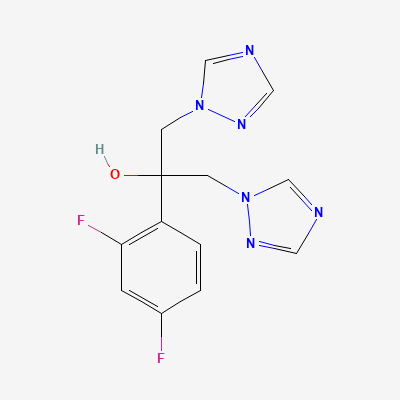
Fluconazole

Antifungal

Also known as Diflucan, Flucostat, Flucon, Zocon
START
Confirm fungal infection (KOH prep, culture, or clinical diagnosis for OPC). Baseline LFTs, serum creatinine, ECG if high-dose or cardiac risk.
TYPICAL MAX
400 mg/day (standard); 800 mg/day (severe infections, cryptococcal meningitis — specialist only). Do not exceed 400 mg/day in patients with QT prolongation risk.
STOP IF
Signs of hepatotoxicity (jaundice, dark urine, RUQ pain, ALT >3x ULN), QTc >500 ms, severe rash (SJS/TEN suspected), anaphylaxis
WATCH
LFTs at baseline and weekly during prolonged therapy (>2 weeks), serum creatinine (renal dose adjustment), ECG if high-dose or on other QT drugs, drug interactions (CYP2C9, CYP2C19, CYP3A4 inhibition)
CDSCO approvedJan AushadhiATC D01AC15
Dose laddermg/d
150start200titrate400max800ceiling
Renal dose adjustmenteGFR mL/min/1.73m²
FULLFull dose: 200-400 mg daily51REDUCE50% of recommended dose; HD: dose after dialysis90

KDIGO 2024 + manufacturer label

Pharmacokineticsplasma · t hours
23minONSET1.5hPEAK1.3d1dDURATION
ONSET
23min · absorption onset
PEAK
1.5h · 1-2 h (oral)
1.3d · 30 h (normal); 50-100 h (renal impairment)
DURATION
1d · 24 h (daily dosing)
EXCRETION
~80% renal unchanged; minimal hepatic metabolism
route + CYP
INTERACTIONS
12 major
incl. contraindicated
PREGNANCY
FDA PLLR: Low-dose fluconazole (150 mg single dose) for vulvovaginal candidiasis is generally considered acceptable in pregnancy. High-dose fluconazole (400-800 mg/day) in first trimester is associated with teratogenic effects (craniofacial, skeletal, cardiac defects). Avoid high-dose in first trimester; use only if benefit clearly outweighs risk with informed consent.
FDA category + note
Top interactionssee all 12
  • AstemizoleContraindicatedTextbook-citedKDT 7e · p948
  • CisaprideContraindicatedTextbook-citedKDT 7e · p948
  • TerfenadineContraindicatedTextbook-citedKDT 7e · p948
  • CilostazoleContraindicatedTextbookKDT 7e · p555
Available in India

1,350 branded formulations and 12 fixed-dose combinations. Look up specific brands in the Drugs workspace.

Jan Aushadhi — generic available at GoI pharmacies

Mechanism

Fluconazole is a synthetic triazole antifungal agent that selectively inhibits fungal cytochrome P450-dependent enzyme lanosterol 14-α-demethylase. This inhibition prevents conversion of lanosterol to ergosterol, an essential component of the fungal cell membrane. The accumulation of 14-α-methyl sterols disrupts membrane fluidity and function, increasing membrane permeability and leading to impaired fungal growth and cell death. Fluconazole is fungistatic at therapeutic concentrations but may be fungicidal against Cryptococcus and some Candida species at higher concentrations.

Indications

Oropharyngeal candidiasis (OPC)Esophageal candidiasisVulvovaginal candidiasis (single-dose therapy)Cryptococcal meningitis (induction and maintenance, in combination with amphotericin B)Prevention of cryptococcal meningitis relapse in AIDS patients (maintenance)Prevention of candidiasis in bone marrow transplant patientsSystemic candidiasis (candidemia, disseminated candidiasis)Coccidioidomycosis (meningitis and disseminated disease)

Dosing

Adult
Oropharyngeal candidiasis: 200 mg PO/IV day 1, then 100 mg daily x 7-14 days. Esophageal candidiasis: 200-400 mg PO/IV day 1, then 100-200 mg daily x 14-21 days (min 14 days). Vulvovaginal candidiasis: 150 mg PO single dose. Cryptococcal meningitis: 400 mg day 1, then 200-400 mg daily x 10-12 weeks (with amphotericin B for induction). Maintenance: 200 mg daily. Systemic candidiasis: 400-800 mg daily.
Pediatric
3-13 years: 3-6 mg/kg/day PO/IV (max 200-400 mg/day). 13-18 years: adult dosing. Neonates (0-14 days): same mg/kg dose q72h (immature metabolism); 15-27 days: q48h.
Renal adjustment
CrCl >50: full dose. CrCl ≤50 (no dialysis): 50% of recommended dose. HD: give usual dose after each dialysis session. CRRT: 200-400 mg daily (dose based on effluent rate).
Hepatic adjustment
No adjustment for mild-moderate hepatic impairment. Use with caution in severe hepatic disease; monitor liver function.
Geriatric
No specific adjustment for age alone. Adjust based on renal function. Elderly may have reduced clearance.
Max dose
400 mg/day (most indications); 800 mg/day (systemic candidiasis, cryptococcal meningitis, severe infections)

Pharmacokinetics

Onset
Rapid absorption after oral administration; clinical improvement typically within 24-72 hours for mucocutaneous candidiasis.
Peak effect
Oral: peak plasma at 1-2 hours. IV: immediate peak at end of infusion.
Duration
Long half-life allows once-daily dosing. Steady state by day 7-10.
Half-life
20-50 hours (mean ~30 hours); prolonged in renal impairment (up to 98 hours). Terminal t½ 88-111 hours.
Bioavailability
>90% (oral bioavailability approaches IV; food does not significantly affect absorption).
Protein binding
Low: 11-12% (primarily to albumin).
Metabolism
Minimally metabolized in the liver (<11% of dose). Major route: renal excretion of unchanged drug.
Excretion
Primarily renal: ~80% excreted unchanged in urine within 96 hours. 11% as metabolites. Fecal: ~2% of dose.

Contraindications

  • Hypersensitivity to fluconazole or other azole antifungals
  • Concomitant administration with cisapride (QT prolongation risk)
  • Concomitant administration with terfenadine or astemizole (QT prolongation, arrhythmia risk)
  • Concomitant administration with pimozide (QT prolongation)
  • Concomitant administration with quinidine (QT prolongation)
  • Concomitant administration with erythromycin (QT prolongation)
  • Relative: pregnancy (high-dose, first trimester — teratogenic risk)

Side effects

Common
HeadacheNausea, vomiting, abdominal painDiarrheaRashElevated liver enzymes (transient, usually asymptomatic)
Serious
  • Hepatotoxicity (hepatitis, hepatic necrosis, fulminant hepatic failure — rare but fatal cases reported)
  • QT prolongation and torsades de pointes (dose-dependent, especially at high doses >400 mg/day)
  • Severe cutaneous adverse reactions (Stevens-Johnson syndrome, toxic epidermal necrolysis)
  • Anaphylaxis and angioedema
  • Teratogenicity (high-dose in first trimester: craniofacial, skeletal, cardiac anomalies — embryopathy similar to warfarin embryopathy)
  • Adrenal insufficiency (at high doses, via inhibition of CYP450 in adrenal cortex)

Pregnancy & lactation

Pregnancy

FDA PLLR: Low-dose fluconazole (150 mg single dose) for vulvovaginal candidiasis is generally considered acceptable in pregnancy. High-dose fluconazole (400-800 mg/day) in first trimester is associated with teratogenic effects (craniofacial, skeletal, cardiac defects). Avoid high-dose in first trimester; use only if benefit clearly outweighs risk with informed consent.

Lactation

Excreted in breast milk at concentrations similar to plasma. Compatible with breastfeeding per AAP. No adverse effects reported in breastfed infants at standard doses.

Drug interactions

Astemizole
Contraindicated
Textbook-cited

Dangerous ventricular arrhythmia (QT prolongation, torsades de pointes)

Concurrent use is contraindicated

Source: KDT 7e · p948

Cisapride
Contraindicated
Textbook-cited

QT prolongation and ventricular arrhythmia.

Concurrent use is contraindicated

Source: KDT 7e · p948

Terfenadine
Contraindicated
Textbook-cited

Dangerous ventricular arrhythmia (QT prolongation, torsades de pointes)

Concurrent use is contraindicated

Source: KDT 7e · p948

Cilostazole
Contraindicated
Textbook

Increased plasma levels and toxicity of cilostazole.

Should not be administered along with inhibitors of CYP3A4.

Source: KDT 7e · p555

Pimozide
Contraindicated
Database

Increased pimozide plasma concentrations, leading to QT prolongation and increased risk of serious ventricular arrhythmias

Concomitant use is contraindicated. Avoid completely.

Source: DDInter

Atorvastatin
Severe
Textbook-cited

Increased risk of rhabdomyolysis and myopathy.

Avoid concurrent use; if needed, use lowest statin dose

Source: KDT 7e · p948

Carbamazepine
Severe
Textbook-cited

Carbamazepine toxicity (diplopia, ataxia, drowsiness).

Avoid concurrent use or adjust dose with monitoring

Source: KDT 7e · p948

Glibenclamide
Severe
Textbook-cited

Hypoglycemia.

Avoid concurrent use or adjust dose

Source: KDT 7e · p948

Gliclazide
Severe
Textbook-cited

Hypoglycemia.

Avoid concurrent use or adjust dose

Source: KDT 7e · p948

Glimepiride
Severe
Textbook-cited

Hypoglycemia.

Avoid concurrent use or adjust dose

Source: KDT 7e · p948

Lovastatin
Severe
Textbook-cited

Increased risk of rhabdomyolysis and myopathy.

Avoid concurrent use; if needed, use lowest statin dose

Source: KDT 7e · p948

Pravastatin
Severe
Textbook-cited

Increased risk of rhabdomyolysis and myopathy.

Avoid concurrent use; if needed, use lowest statin dose

Source: KDT 7e · p948

Related guidelines

Other Antifungal drugs

Ask House about Fluconazole

Continue into a citation-backed clinical answer with the drug context already attached.

Sources: KD Tripathi 7e, Goodman & Gilman 14e, Harrison 22e, Katzung·Verified: 2026-05-18 · House clinical team·Cockpit curated: 2026-05-18