Drug lookup
Drug reference

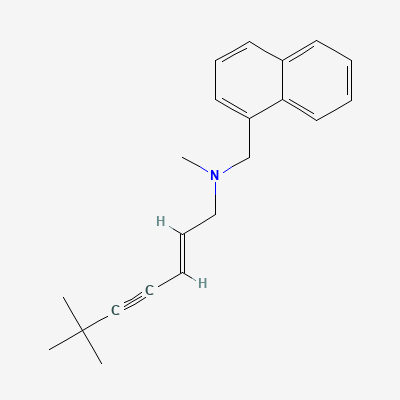
Terbinafine

Antifungal

Also known as Terbinafine hydrochloride

START
Confirm dermatophyte infection (KOH prep, culture, or PAS stain of nail). Baseline LFTs (ALT, AST, bilirubin), CBC. Rule out active liver disease. Confirm nail involvement justifies systemic therapy.
TYPICAL MAX
250 mg/day. No benefit from higher doses. Do not extend beyond 12 weeks for toenails without reassessment.
STOP IF
ALT/AST >2x baseline or >3x ULN, symptoms of hepatitis (jaundice, dark urine, fatigue, nausea), severe rash (SJS/TEN suspected), severe taste disturbance affecting nutrition, lack of response at 12 weeks
WATCH
LFTs at baseline, then at 4-6 weeks (critical period for hepatotoxicity), and at completion. CBC if prolonged therapy. Drug interactions (CYP2D6 inhibition). Patient education on liver warning signs.
CDSCO approvedSchedule HJan AushadhiATC D01BA02
Dose laddermg/d
125start250ceiling
Renal dose adjustmenteGFR mL/min/1.73m²
FULLFull dose: 250 mg PO daily50AVOIDNot recommended — use topical therapy; if systemic essential,…90

KDIGO 2024 + manufacturer label

Pharmacokineticsplasma · t hours
23minONSET1.5hPEAK2.1w1dDURATION
ONSET
23min · absorption onset
PEAK
1.5h · 1-2 h (oral Cmax)
2.1w · 200-400 h (terminal; tissue accumulation)
DURATION
1d · 24 h (daily dosing); accumulates in skin/nails
EXCRETION
~80% renal (metabolites); 20% fecal; minimal unchanged
route + CYP
INTERACTIONS
12 major
SEVERE in our sources
PREGNANCY
FDA PLLR: Avoid oral terbinafine during pregnancy. Animal studies showed no teratogenicity but limited human data. Use topical therapy for dermatophyte infections during pregnancy if possible.
FDA category + note
Top interactionssee all 12
  • DesipramineSevereDatabaseDDInter
  • DextromethorphanSevereDatabaseDDInter
  • EliglustatSevereDatabaseDDInter
  • FlecainideSevereDatabaseDDInter
Available in India

715 branded formulations and 192 fixed-dose combinations. Look up specific brands in the Drugs workspace.

Jan Aushadhi — generic available at GoI pharmacies

Mechanism

Terbinafine is a synthetic allylamine antifungal that inhibits fungal ergosterol biosynthesis at the point of squalene epoxidase (also called squalene monooxygenase), a key enzyme in the conversion of squalene to lanosterol. This inhibition results in intracellular accumulation of toxic levels of squalene and depletion of ergosterol, disrupting fungal cell membrane synthesis and leading to fungicidal activity. Terbinafine is fungicidal against dermatophytes, molds, and certain dimorphic fungi, and fungistatic against yeasts (Candida species) at therapeutic concentrations.

Indications

Onychomycosis (fungal nail infection) — fingernails and toenailsTinea capitis (scalp ringworm)Tinea corporis (body ringworm)Tinea cruris (jock itch)Tinea pedis (athlete's foot) — when topical therapy failsTinea unguium (dermatophyte nail infection)Cutaneous candidiasis (off-label, limited efficacy against yeasts)

Dosing

Adult
Onychomycosis — fingernails: 250 mg PO daily x 6 weeks. Toenails: 250 mg PO daily x 12 weeks. Tinea capitis: 250 mg PO daily x 4-6 weeks. Tinea corporis/cruris: 250 mg PO daily x 2-4 weeks. Tinea pedis: 250 mg PO daily x 2-6 weeks.
Pediatric
Tinea capitis (≥4 years): 62.5 mg (<25 kg), 125 mg (25-35 kg), 187.5 mg (>35 kg) PO daily x 6 weeks (granule formulation). ≥4 years (tablet, off-label): 250 mg daily.
Renal adjustment
CrCl <50: not recommended (limited data; drug and metabolites may accumulate). Use topical therapy instead.
Hepatic adjustment
Active/chronic liver disease: contraindicated. Mild hepatic impairment: not recommended; if used, monitor LFTs weekly.
Geriatric
No specific adjustment for age. Monitor hepatic function closely. Consider drug interactions (CYP2D6 inhibition affects many medications used in elderly).
Max dose
250 mg/day (oral); no benefit from higher doses

Pharmacokinetics

Onset
Clinical improvement in skin infections within 1-2 weeks. Nail infection: visible improvement after 2-3 months (fingernails), 3-6 months (toenails) due to nail growth rate.
Peak effect
Oral: peak plasma at 1-2 hours. Absorption ~70-80% (food increases bioavailability slightly).
Duration
Terminal half-life allows once-daily dosing. Drug accumulates in skin, nails, and adipose tissue.
Half-life
Initial: 2-3 hours. Terminal: 200-400 hours (8-17 days) due to extensive tissue distribution and slow release from adipose tissue and skin/nails.
Bioavailability
~70-80% (oral). Food slightly increases absorption.
Protein binding
>99% (highly bound to plasma albumin).
Metabolism
Extensively hepatic via at least 7 CYP enzymes: CYP1A2, CYP2C8, CYP2C9, CYP2C19, CYP3A4 (deamination), CYP2C9/CYP1A2 (dihydrodiol formation), CYP2C9/CYP2C8/CYP1A2/CYP2C19 (N-demethylation).
Excretion
Primarily renal: ~70-80% as metabolites in urine. Fecal: ~20% as metabolites. Minimal unchanged drug excreted.

Contraindications

  • Hypersensitivity to terbinafine or any component
  • Active or chronic hepatic disease (baseline hepatic impairment increases risk of drug-induced liver injury)
  • Pregnancy (avoid oral terbinafine; limited data on fetal safety)
  • Breastfeeding (oral terbinafine passes into breast milk; avoid or monitor infant)

Side effects

Common
HeadacheGastrointestinal upset (nausea, diarrhea, dyspepsia, abdominal pain)Dysgeusia (taste disturbance) and ageusia (loss of taste) — usually reversible upon discontinuationRash, pruritusMyalgia, arthralgia
Serious
  • Hepatotoxicity (drug-induced liver injury: hepatocellular, cholestatic, or mixed; can be severe/fatal. Risk ~1:25,000 to 1:50,000. Onset typically within first 6 weeks)
  • Acute liver failure (rare but documented; may require transplantation)
  • Severe neutropenia, agranulocytosis, thrombocytopenia, pancytopenia
  • Stevens-Johnson syndrome, toxic epidermal necrolysis
  • Severe hypersensitivity reactions (DRESS, anaphylaxis)
  • Exacerbation of psoriasis
  • Lupus erythematosus (drug-induced)

Pregnancy & lactation

Pregnancy

FDA PLLR: Avoid oral terbinafine during pregnancy. Animal studies showed no teratogenicity but limited human data. Use topical therapy for dermatophyte infections during pregnancy if possible.

Lactation

Excreted in breast milk (~7% of maternal dose). Avoid oral therapy during breastfeeding. If necessary, monitor infant for GI upset, fungal infections, or hepatic effects.

Drug interactions

Desipramine
Severe
Database

Significantly increased desipramine plasma concentrations, leading to enhanced anticholinergic effects, cardiovascular effects (arrhythmias, orthostatic hypotension), and CNS toxicity (seizures, confusion).

Avoid co-administration if possible. If unavoidable, reduce desipramine dose significantly (e.g., by 50-75%) and monitor desipramine levels and patient for adverse effects closely. Consider alternative antidepressants.

Source: DDInter

Dextromethorphan
Severe
Database

Increased dextromethorphan plasma concentrations, leading to enhanced CNS effects (drowsiness, dizziness, confusion, serotonin syndrome risk).

Avoid co-administration. If unavoidable, monitor closely for CNS adverse effects and serotonin syndrome symptoms. Consider alternative cough suppressants.

Source: DDInter

Eliglustat
Severe
Database

Clinical effect not specified

Source: DDInter

Flecainide
Severe
Database

Significantly increased flecainide plasma concentrations, leading to enhanced proarrhythmic effects, bradycardia, and other cardiovascular adverse effects.

Avoid co-administration. If unavoidable, reduce flecainide dose significantly and monitor ECG and flecainide levels closely. Consider alternative antiarrhythmics.

Source: DDInter

Leflunomide
Severe
Database

Clinical effect not specified

Source: DDInter

Lomitapide
Severe
Database

Clinical effect not specified

Source: DDInter

Mipomersen
Severe
Database

Clinical effect not specified

Source: DDInter

Oliceridine
Severe
Database

Clinical effect not specified

Source: DDInter

Pexidartinib
Severe
Database

Clinical effect not specified

Source: DDInter

Pimozide
Severe
Database

Clinical effect not specified

Source: DDInter

Pitolisant
Severe
Database

Clinical effect not specified

Source: DDInter

Propafenone
Severe
Database

Significantly increased propafenone plasma concentrations, leading to enhanced proarrhythmic effects, bradycardia, and other cardiovascular adverse effects.

Avoid co-administration. If unavoidable, reduce propafenone dose significantly and monitor ECG and propafenone levels closely. Consider alternative antiarrhythmics.

Source: DDInter
Related guidelines

Other Antifungal drugs

Ask House about Terbinafine

Continue into a citation-backed clinical answer with the drug context already attached.

Sources: KD Tripathi 7e, Goodman & Gilman 14e, Harrison 22e, Katzung·Verified: 2026-05-18 · House clinical team·Cockpit curated: 2026-05-18