Drug lookup
Drug reference

Levofloxacin

Fluoroquinolone · Antibiotic

Also known as L-Ofloxacin, Loxof, Levoquin, Glevo
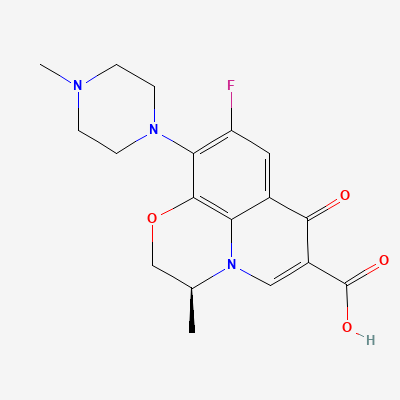
START
500 mg PO/IV once daily
TYPICAL MAX
750 mg once daily (severe / pseudomonas)
STOP IF
Tendon rupture history · QT prolongation · age <18 unless mandatory
WATCH
Tendons · QTc · glucose · CNS
CDSCO approvedSchedule HJan AushadhiNPPA price-controlledATC J01MA12
Dose laddermg/d
250start500standard daily750max
Renal dose adjustmenteGFR mL/min/1.73m²
FULLFull dose50REDUCE500 mg D1 → 250 mg q24h (or 750 → 750…20REDUCE500 mg D1 → 250 mg q48h90

KDIGO 2024 + manufacturer label

Pharmacokineticsplasma · t hours
1hONSET1.5hPEAK7h1dDURATION
ONSET
1h · tissue distribution
PEAK
1.5h · Cmax
7h · plasma t½
DURATION
1d · once-daily dosing window
EXCRETION
85% renal unchanged · minimal CYP
route + CYP
INTERACTIONS
12 major
SEVERE in our sources
PREGNANCY
Category C — avoid; arthropathy
FDA category + note
Top interactionssee all 12
  • CelecoxibSevereTextbook-citedKDT 7e · p949
  • DiclofenacSevereTextbook-citedKDT 7e · p949
  • IbuprofenSevereTextbook-citedKDT 7e · p949
  • IndomethacinSevereTextbook-citedKDT 7e · p949
Available in India

1,874 branded formulations and 299 fixed-dose combinations. Look up specific brands in the Drugs workspace.

Jan Aushadhi — generic available at GoI pharmacies

Mechanism

Levofloxacin is a synthetic broad-spectrum antibacterial agent from the fluoroquinolone class. It selectively inhibits bacterial DNA gyrase (topoisomerase II) and topoisomerase IV, which are essential enzymes for bacterial DNA replication, transcription, repair, and recombination. This inhibition leads to breaks in bacterial DNA, ultimately resulting in bacterial cell death.

Indications

Acute bacterial sinusitisAcute bacterial exacerbation of chronic bronchitisCommunity-acquired pneumoniaNosocomial pneumonia (off-label)Complicated and uncomplicated skin and skin structure infectionsChronic bacterial prostatitisComplicated and uncomplicated urinary tract infectionsPyelonephritisAnthrax (post-exposure prophylaxis and treatment)PlagueInfectious diarrhea (off-label)Mycobacterium avium complex (MAC) infection (off-label, as part of a multidrug regimen)Respiratory tract infections (including community-acquired pneumonia)Urinary tract infectionsProstatitisChlamydia urethritis/cervicitisTraveler's diarrheaIntra-abdominal infections (with metronidazole)Pseudomonas infectionsAnthrax (prophylaxis)TularemiaPlague (due to Yersinia pestis)Bone, joint, and soft-tissue infectionsMultidrug-resistant tuberculosis (as part of multiple-drug regimens)Atypical mycobacterial infectionsMycobacterium avium complex infections in AIDSpulmonary tuberculosismeningeal tuberculosisnontuberculous mycobacterial infectionsmultidrug-resistant tuberculosistuberculous meningitis (in isoniazid-resistant cases)disseminated mycobacterium avium complex (as a 3rd/4th drug)conjunctivitiskeratitiscommunity acquired pneumoniaacute exacerbations of chronic bronchitissinusitisother UTIskin/soft tissue infectionsDrug resistant TB (primary indication)MAC infectionM. fortuitum infectionAtypical mycobacteria infectionsEpididymitis (due to Enterobacteriaceae)

Dosing

Adult
Oral/IV: 250 mg to 750 mg once daily, depending on the indication. For acute bacterial sinusitis, 500 mg once daily for 10-14 days or 750 mg once daily for 5 days. For community-acquired pneumonia, 500 mg once daily for 7-14 days or 750 mg once daily for 5 days. For uncomplicated UTI, 250 mg once daily for 3 days. For complicated UTI/Pyelonephritis, 250 mg once daily for 7-10 days.
Pediatric
Not generally recommended due to risk of arthropathy. For specific severe infections like anthrax or plague: Age 6 months to <5 years: 8 mg/kg IV/oral every 12 hours (max 250 mg/dose). Age 5 years and older: 10 mg/kg IV/oral once daily (max 750 mg/dose).
Renal adjustment
CrCl 50-80 mL/min: No adjustment. CrCl 20-49 mL/min: Initial 250-750 mg, then 125-250 mg every 24 hours (depending on initial dose). CrCl 10-19 mL/min: Initial 250-750 mg, then 125 mg every 24 hours (depending on initial dose). Hemodialysis/CAPD: Initial 250-750 mg, then 125 mg every 48 hours (depending on initial dose).
Hepatic adjustment
No specific dose adjustment is recommended for hepatic impairment as levofloxacin is minimally metabolized in the liver.
Geriatric
Dose adjustment is primarily based on renal function. Elderly patients may be at increased risk for tendinopathy, QT prolongation, and central nervous system effects; use with caution.
Max dose
Generally 750 mg once daily, although higher doses (e.g., 1000 mg/day) may be used for specific, severe indications under strict supervision.

Pharmacokinetics

Onset
Rapid after oral administration
Peak effect
Oral: 1-2 hours; IV: at the end of infusion
Duration
24 hours (with once daily dosing)
Half-life
6-8 hours
Bioavailability
Approximately 99%
Protein binding
Approximately 24-38%
Metabolism
Minimally metabolized in the liver (<5%)
Excretion
Primarily renal (glomerular filtration and tubular secretion) as unchanged drug

Contraindications

  • Hypersensitivity to levofloxacin or other fluoroquinolones
  • History of tendinitis or tendon rupture associated with fluoroquinolone use
  • Myasthenia gravis (potential for exacerbation)
  • Concurrent use with drugs known to prolong the QT interval in patients with known QT prolongation, uncorrected hypokalemia, or significant bradycardia
  • Epilepsy or other seizure disorders (relative contraindication)
  • Children and adolescents before epiphyseal closure (relative, due to risk of cartilage damage, unless benefits outweigh risks for severe infections)

Side effects

Common
NauseaDiarrheaHeadacheInsomniaConstipationDizzinessVomitingAbdominal painRashFlatulenceAbdominal discomfortHeadachesAnxiety
Serious
  • Tendinitis and tendon rupture (Achilles tendon most common, can be delayed)
  • Peripheral neuropathy (potentially irreversible)
  • Central nervous system effects (seizures, psychosis, suicidal ideation, confusion, hallucinations)
  • QT interval prolongation and Torsade de Pointes
  • Clostridioides difficile-associated diarrhea (CDAD)
  • Hepatotoxicity
  • Severe hypersensitivity reactions (anaphylaxis, Stevens-Johnson Syndrome)
  • Aortic aneurysm and dissection
  • Dysglycemia (hypo- or hyperglycemia)
  • Exacerbation of myasthenia gravis
  • Peripheral neuropathy
  • Optic neuritis
  • Tendon rupture
  • Tendinitis
  • QT interval prolongation
  • Torsades de pointes arrhythmias
  • Dysglycemias (rarely, among at-risk patients)
  • CNS stimulatory effects (including seizures)
  • Glucose dysregulation
  • Tendinopathy (including Achilles tendon rupture, especially in older patients, organ transplant recipients, and those on glucocorticoids)
  • Increased risk of aortic aneurysm
  • Worsening of myasthenia gravis
  • QTc interval prolongation (moxifloxacin more likely)

Pregnancy & lactation

Pregnancy

Category C — avoid; arthropathy

Lactation

Levofloxacin is excreted into human breast milk. Due to the potential for serious adverse effects, including arthropathy, in breastfed infants, a decision should be made whether to discontinue nursing or discontinue the drug, considering the importance of the drug to the mother. Avoid if possible.

Drug interactions

Celecoxib
Severe
Textbook-cited

Enhanced CNS toxicity, seizure risk.

Avoid concurrent use

Source: KDT 7e · p949

Diclofenac
Severe
Textbook-cited

Enhanced CNS toxicity, seizure risk.

Avoid concurrent use

Source: KDT 7e · p949

Ibuprofen
Severe
Textbook-cited

Enhanced CNS toxicity, seizure risk.

Avoid concurrent use

Source: KDT 7e · p949

Indomethacin
Severe
Textbook-cited

Enhanced CNS toxicity, seizure risk.

Avoid concurrent use

Source: KDT 7e · p949

Ketorolac
Severe
Textbook-cited

Enhanced CNS toxicity, seizure risk.

Avoid concurrent use

Source: KDT 7e · p949

Mefenamic Acid
Severe
Textbook-cited

Enhanced CNS toxicity, seizure risk

Avoid concurrent use

Source: KDT 7e · p949

Naproxen
Severe
Textbook-cited

Enhanced CNS toxicity, seizure risk.

Avoid concurrent use

Source: KDT 7e · p949

Piroxicam
Severe
Textbook-cited

Enhanced CNS toxicity, seizure risk.

Avoid concurrent use

Source: KDT 7e · p949

Acetohexamide
Severe
Database

Drug interaction classified as: antagonism

Source: DDInter

Aminolevulinic Acid
Severe
Database

Drug interaction classified as: synergy

Source: DDInter

Amiodarone
Severe
Database

Drug interaction classified as: synergy.

Source: DDInter

Amisulpride
Severe
Database

Drug interaction classified as: synergy

Source: DDInter

Related guidelines

Other Fluoroquinolone drugs

Ask House about Levofloxacin

Continue into a citation-backed clinical answer with the drug context already attached.

Sources: KD Tripathi 7e, Goodman & Gilman 14e, Harrison 22e, Katzung·Verified: 2026-05-16 · House clinical team·Cockpit curated: 2026-05-16