Drug lookup
Drug reference

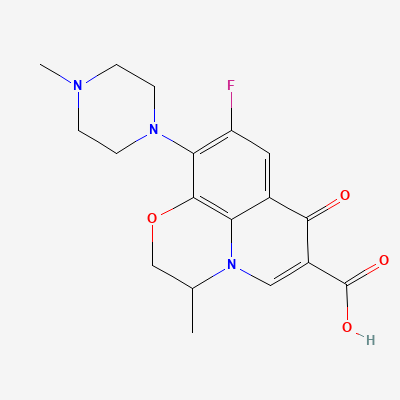
Ofloxacin

Fluoroquinolone · Antibiotic

Also known as Ofloxacin hydrochloride

START
200-400 mg PO/IV every 12 hours (or 15 mg/kg/day for peds if unavoidable)
TYPICAL MAX
400 mg/dose; 800 mg/day
STOP IF
Tendon pain/swelling (stop immediately), severe hypersensitivity reaction, seizure, QTc >500 ms, C. difficile infection, hepatitis (jaundice, ALT >5x ULN)
WATCH
Renal function (adjust if CrCl <50), QT interval (if on other QT-prolonging drugs or electrolyte abnormalities), blood glucose (if diabetic), mental status (elderly), tendon pain (especially if >60 years or on corticosteroids)
CDSCO approvedJan AushadhiNPPA price-controlledATC J01MA01
Dose laddermg/d
200start300titrate400max800daily ceiling
Renal dose adjustmenteGFR mL/min/1.73m²
FULLFull dose: 200-400 mg every 12 hours50REDUCEUsual unit dose every 24 h (FDA); ha…20REDUCE½ usual unit dose every…90

KDIGO 2024 + manufacturer label

Pharmacokineticsplasma · t hours
1hONSET1.5hPEAK6.5h12hDURATION
ONSET
1h · 1 h (clinical effects begin)
PEAK
1.5h · 0.5-2 h (oral Cmax)
6.5h · 5-8 h (normal); 20-40 h (severe renal impairment)
DURATION
12h · 12 h (BID dosing interval)
EXCRETION
~70-80% renal unchanged · minimal hepatic metabolism
route + CYP
INTERACTIONS
12 major
incl. contraindicated
PREGNANCY
Risk cannot be ruled out. Animal studies have shown adverse effects on fetal cartilage and joint development. Avoid during pregnancy unless no safer alternative exists and benefit clearly outweighs risk. If essential in pregnancy, use shortest effective duration.
FDA category + note
Top interactionssee all 12
  • CisaprideContraindicatedDatabaseDDInter
  • CelecoxibSevereTextbook-citedKDT 7e · p949
  • DiclofenacSevereTextbook-citedKDT 7e · p949
  • IbuprofenSevereTextbook-citedKDT 7e · p949
Available in India

3,097 branded formulations and 2,920 fixed-dose combinations. Look up specific brands in the Drugs workspace.

Jan Aushadhi — generic available at GoI pharmacies

Mechanism

Ofloxacin is a fluoroquinolone antibacterial that exerts bactericidal action by inhibiting bacterial DNA gyrase (topoisomerase II) and topoisomerase IV, enzymes essential for bacterial DNA replication, transcription, repair, and recombination. Inhibition of these enzymes leads to bacterial cell death. It has a broad spectrum of activity against Gram-positive and Gram-negative bacteria, including atypical pathogens.

Indications

Uncomplicated urinary tract infectionsComplicated urinary tract infectionsAcute uncomplicated cystitisProstatitis (chronic bacterial)Lower respiratory tract infections (pneumonia, acute exacerbations of chronic bronchitis)Uncomplicated skin and skin structure infectionsAcute uncomplicated gonorrhea (cervical/urethral)Nongonococcal urethritis and cervicitis due to Chlamydia trachomatisMixed infections of the urethra and cervix due to C. trachomatis and Neisseria gonorrhoeaeAcute pelvic inflammatory diseaseTraveler's diarrheaConjunctivitis, keratitis (ophthalmic)Otitis externa, chronic suppurative otitis media (otic)

Dosing

Adult
Oral: 200-400 mg every 12 hours for 3-14 days depending on infection severity. IV: 200-400 mg infused over 60 minutes every 12 hours. Uncomplicated gonorrhea: 400 mg single oral dose. C. trachomatis cervicitis/urethritis: 300 mg BID for 7 days. Prostatitis: 300 mg BID for 6 weeks. Conjunctivitis (ophthalmic): 1-2 drops every 2-4 hours for 2 days, then QID for 5 days.
Pediatric
Generally not recommended in children <18 years due to risk of arthropathy. In specific severe infections where alternatives are unsuitable: 15 mg/kg/day divided every 12 hours (max 400 mg/dose), under specialist supervision only.
Renal adjustment
CrCl >50 mL/min: usual dose. CrCl 20–50 mL/min: usual recommended unit dose every 24 h (FDA Floxin label). CrCl <20 mL/min: ½ the usual unit dose every 24 h (~200 mg q24h); on hemodialysis dose after the session.
Hepatic adjustment
No specific dose adjustment required for mild to moderate hepatic impairment. Monitor patients with severe hepatic impairment closely for adverse effects.
Geriatric
Dose adjustment based on renal function is essential, as geriatric patients often have age-related decline in creatinine clearance. Monitor closely for CNS effects (confusion, seizures), tendon issues, and QT prolongation.
Max dose
400 mg/dose; 800 mg/day

Pharmacokinetics

Onset
Rapid after oral or IV administration; clinical effects typically seen within 24-72 hours.
Peak effect
Oral: 0.5-2 hours (Cmax). IV: End of 60-minute infusion.
Duration
12 hours (dosing interval BID)
Half-life
5-8 hours in adults with normal renal function; prolonged to 20-40 hours in severe renal impairment (CrCl <20 mL/min).
Bioavailability
Approximately 98% (oral); near-complete absorption from the gastrointestinal tract.
Protein binding
Approximately 20-32% (primarily to albumin).
Metabolism
Minimally metabolized in the liver (<5% of dose); metabolites include N-desmethyl-ofloxacin and ofloxacin-N-oxide, which are essentially inactive.
Excretion
Primarily renal: 65-80% excreted unchanged in urine within 24-48 hours via glomerular filtration and active tubular secretion. Fecal excretion accounts for 4-8% of dose.

Contraindications

  • Hypersensitivity to ofloxacin, other fluoroquinolones, or any component of the formulation
  • History of tendon disorders related to fluoroquinolone use
  • Myasthenia gravis (may exacerbate muscle weakness; risk of fatal respiratory failure)
  • Pregnancy and lactation (avoid unless benefit clearly outweighs risk)
  • Children and adolescents under 18 years of age (risk of arthropathy/cartilage damage), except for specific severe infections where benefit outweighs risk
  • Epilepsy or other seizure disorders (lowers seizure threshold)
  • Known QT prolongation or concurrent use with other drugs that prolong the QT interval
  • Concomitant use with tizanidine

Side effects

Common
NauseaDiarrheaHeadacheDizzinessInsomniaVomitingAbdominal painConstipationDyspepsiaRashPruritusVaginitis
Serious
  • Tendinopathy and tendon rupture (especially Achilles tendon; risk increased with age >60, corticosteroids, renal transplant)
  • Peripheral neuropathy (may be irreversible even after discontinuation)
  • Central nervous system effects (seizures, tremors, psychosis, hallucinations, confusion)
  • QT prolongation and torsades de pointes
  • Clostridioides difficile-associated diarrhea (CDAD)
  • Hypersensitivity reactions including anaphylaxis, angioedema, Stevens-Johnson syndrome, toxic epidermal necrolysis
  • Hepatotoxicity (hepatitis, jaundice, hepatic failure)
  • Blood glucose disturbances (hypoglycemia or hyperglycemia, especially in diabetic patients)
  • Aortic aneurysm and dissection (risk increased, especially in elderly and those with pre-existing vascular conditions)
  • Exacerbation of myasthenia gravis

Pregnancy & lactation

Pregnancy

Risk cannot be ruled out. Animal studies have shown adverse effects on fetal cartilage and joint development. Avoid during pregnancy unless no safer alternative exists and benefit clearly outweighs risk. If essential in pregnancy, use shortest effective duration.

Lactation

Ofloxacin is excreted into breast milk in concentrations approaching maternal serum levels. Potential for serious adverse effects in the infant (e.g., cartilage damage, disruption of gut flora). Not recommended during breastfeeding; if used, consider temporary cessation or monitor infant closely for GI disturbance and joint swelling.

Drug interactions

Cisapride
Contraindicated
Database

Increased risk of Torsades de Pointes and other ventricular arrhythmias

Concomitant use is contraindicated due to severe risk of cardiac arrhythmias. Cisapride is largely withdrawn from market but still relevant for historical context or specific regions.

Source: DDInter

Celecoxib
Severe
Textbook-cited

Enhanced CNS toxicity, seizure risk

Avoid concurrent use

Source: KDT 7e · p949

Diclofenac
Severe
Textbook-cited

Enhanced CNS toxicity, seizure risk

Avoid concurrent use

Source: KDT 7e · p949

Ibuprofen
Severe
Textbook-cited

Enhanced CNS toxicity, seizure risk.

Avoid concurrent use

Source: KDT 7e · p949

Indomethacin
Severe
Textbook-cited

Enhanced CNS toxicity, seizure risk

Avoid concurrent use

Source: KDT 7e · p949

Ketorolac
Severe
Textbook-cited

Enhanced CNS toxicity, seizure risk

Avoid concurrent use

Source: KDT 7e · p949

Mefenamic Acid
Severe
Textbook-cited

Enhanced CNS toxicity, seizure risk

Avoid concurrent use

Source: KDT 7e · p949

Naproxen
Severe
Textbook-cited

Enhanced CNS toxicity, seizure risk.

Avoid concurrent use

Source: KDT 7e · p949

Piroxicam
Severe
Textbook-cited

Enhanced CNS toxicity, seizure risk

Avoid concurrent use

Source: KDT 7e · p949

Acetohexamide
Severe
Database

Drug interaction classified as: antagonism

Source: DDInter

Aminolevulinic Acid
Severe
Database

Drug interaction classified as: synergy

Source: DDInter

Amiodarone
Severe
Database

Drug interaction classified as: synergy.

Source: DDInter

Related guidelines

Other Fluoroquinolone drugs

Ask House about Ofloxacin

Continue into a citation-backed clinical answer with the drug context already attached.

Sources: KD Tripathi 7e, Goodman & Gilman 14e, Harrison 22e, Katzung·Verified: 2026-05-18 · House clinical team·Cockpit curated: 2026-05-18