Drug lookup
Drug reference

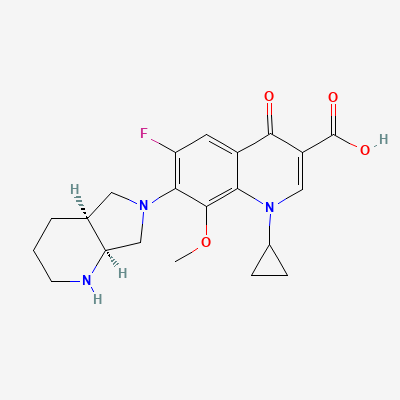
Moxifloxacin

Fluoroquinolone · Antibiotic

Also known as Moxifloxacin Hydrochloride
START
Confirm indication and rule out safer alternatives. Baseline ECG (QTc), electrolytes (K+, Mg2+, Ca2+), LFTs. Check for QT-prolonging medications, tendon risk factors (age >60, corticosteroids). Reserve for situations where beta-lactams/macrolides are contraindicated or failed.
TYPICAL MAX
400 mg/day (all indications); no renal or hepatic dose adjustment
STOP IF
QTc >500 ms or increase >60 ms from baseline, tendon pain/swelling (discontinue immediately), signs of peripheral neuropathy (burning, numbness, tingling), severe hypersensitivity, jaundice/hepatotoxicity
WATCH
ECG (baseline and if cardiac risk), electrolytes (maintain K+ >4.0, Mg2+ >1.8), tendon pain (especially elderly + steroids), LFTs, glucose (diabetics), CNS effects (elderly)
CDSCO approvedSchedule HATC J01MA14
Renal dose adjustmenteGFR mL/min/1.73m²
FULLNo dose adjustment at any eGFR, including dialysis (FDA §8.6)90

KDIGO 2024 + manufacturer label

Pharmacokineticsplasma · t hours
30minONSET2hPEAK12h1dDURATION
ONSET
30min · absorption onset
PEAK
2h · 1-3 h (oral); end of infusion (IV)
12h · 12 h (supports once-daily dosing)
DURATION
1d · 24 h (once-daily dosing)
EXCRETION
~45% renal (20% unchanged); ~50% fecal; non-CYP metabolism
route + CYP
INTERACTIONS
12 major
incl. contraindicated
PREGNANCY
FDA PLLR: Avoid during pregnancy. Animal studies showed arthropathy in juvenile animals. Limited human data suggest potential risk. Use only for plague or life-threatening infections where benefit outweighs risk.
FDA category + note
Top interactionssee all 12
  • AmisulprideContraindicatedDatabaseDDInter
  • CisaprideContraindicatedDatabaseDDInter
  • Class IaContraindicatedDatabaseKimi deep-research + Cla
  • DiclofenacSevereTextbook-citedKDT 7e · p949
Available in India

487 branded formulations and 402 fixed-dose combinations. Look up specific brands in the Drugs workspace.

Mechanism

Moxifloxacin is a synthetic fluoroquinolone antibacterial agent that exerts bactericidal activity by inhibiting two essential bacterial enzymes: DNA gyrase (topoisomerase II) and topoisomerase IV. DNA gyrase is responsible for introducing negative supercoils into bacterial DNA during replication and transcription, while topoisomerase IV is essential for partitioning daughter chromosomes during cell division. Inhibition of both enzymes prevents bacterial DNA replication, transcription, and repair, leading to rapid bacterial cell death. Moxifloxacin has enhanced activity against gram-positive organisms (including Streptococcus pneumoniae) compared to earlier fluoroquinolones due to its 8-methoxy substitution.

Indications

Community-acquired pneumonia (CAP) — including multidrug-resistant S. pneumoniaeAcute bacterial sinusitisAcute exacerbation of chronic bronchitisUncomplicated skin and skin structure infectionsComplicated skin and skin structure infectionsComplicated intra-abdominal infectionsPlague (Yersinia pestis) — including pneumonic and septicemic plagueAcute bacterial sinusitis (alternative to beta-lactams in penicillin-allergic patients)

Dosing

Adult
400 mg PO/IV once daily for all indications. CAP: 7-14 days. Sinusitis: 10 days. Acute bacterial exacerbation of chronic bronchitis: 5 days. Uncomplicated SSSI: 7 days. Complicated SSSI: 7-21 days. Complicated intra-abdominal: 5-14 days. Plague: 10-14 days. IV infusion: over 60 minutes.
Pediatric
Not recommended <18 years (exception: plague — 400 mg PO/IV once daily).
Renal adjustment
No dosage adjustment necessary in any degree of renal impairment, including hemodialysis and CAPD (FDA Avelox label §8.6 — moxifloxacin PK not significantly altered in severe/ESRD).
Hepatic adjustment
No adjustment for mild-moderate hepatic impairment. Use with caution in severe hepatic impairment (Child-Pugh C) — metabolic disturbances may lead to QT prolongation.
Geriatric
No adjustment for age alone. Monitor QT interval, tendon integrity, and CNS effects. Increased risk of tendon rupture (especially with corticosteroids), QT prolongation, and CNS effects.
Max dose
400 mg/day (no benefit from higher doses; increased toxicity)

Pharmacokinetics

Onset
Rapid bactericidal activity; clinical response typically within 48-72 hours for susceptible infections.
Peak effect
Oral: peak plasma at 1-3 hours (mean ~1.5-2 hours). IV: peak at end of 60-min infusion. Food does not significantly affect absorption.
Duration
24-hour duration supports once-daily dosing. Post-antibiotic effect (PAE) of 2-4 hours against most pathogens.
Half-life
12 ± 1.3 hours (mean elimination t½). Allows once-daily dosing.
Bioavailability
>90% (oral bioavailability approaches IV).
Protein binding
50% (primarily to albumin; concentration-independent).
Metabolism
Approximately 52% metabolized via hepatic glucuronide conjugation (14%) and sulfate conjugation (38%). CYP450 system is NOT involved in moxifloxacin metabolism. This is a key distinction from many other drugs.
Excretion
Fecal: ~25% unchanged + 38% as sulfate conjugate (M1). Renal: ~20% unchanged + 14% as glucuronide conjugate (M2). Overall: approximately 45% renal, 50% fecal.

Contraindications

  • Hypersensitivity to moxifloxacin or other fluoroquinolones
  • Known QT prolongation or congenital long QT syndrome
  • Uncorrected hypokalemia or hypomagnesemia
  • Concurrent use with other QT-prolonging drugs (Class IA and III antiarrhythmics, certain antipsychotics)
  • Concurrent use with Class IA antiarrhythmics (quinidine, procainamide) or Class III (amiodarone, sotalol)
  • History of tendon disorders related to fluoroquinolone use
  • Myasthenia gravis (may worsen muscle weakness)
  • Pregnancy and breastfeeding (avoid — cartilage damage in juvenile animals)
  • Children <18 years (avoid — risk of arthropathy; exception: plague)

Side effects

Common
Nausea, diarrhea, vomitingHeadache, dizzinessAbdominal painInsomniaLiver enzyme elevations (transient)Vaginitis (candida superinfection)
Serious
  • QT prolongation and torsades de pointes (dose-dependent; contraindicated with other QT drugs)
  • Tendinitis and tendon rupture (especially >60 years, corticosteroid use, renal transplant) — FDA black box warning for all fluoroquinolones
  • Peripheral neuropathy (potentially irreversible) — FDA black box warning
  • Central nervous system effects (seizure threshold lowered, psychosis, hallucinations)
  • Aortic aneurysm and dissection risk (FDA warning 2018)
  • Severe hypersensitivity (anaphylaxis, SJS/TEN, DRESS)
  • Clostridioides difficile-associated diarrhea (CDAD)
  • Hepatotoxicity (acute liver failure, hepatic necrosis — rare but fatal)
  • Dysglycemia (hyperglycemia or hypoglycemia, especially in diabetics on insulin/oral hypoglycemics)

Pregnancy & lactation

Pregnancy

FDA PLLR: Avoid during pregnancy. Animal studies showed arthropathy in juvenile animals. Limited human data suggest potential risk. Use only for plague or life-threatening infections where benefit outweighs risk.

Lactation

Excreted in breast milk (infant dose ~2-3% of maternal). Potential risk of arthropathy and QT effects in nursing infant. Avoid during breastfeeding. If necessary, monitor infant for GI upset, rash, and joint symptoms.

Drug interactions

Amisulpride
Contraindicated
Database

Increased risk of Torsades de Pointes (TdP) and other ventricular arrhythmias

Concomitant use is contraindicated. Avoid combination.

Source: DDInter

Cisapride
Contraindicated
Database

Severe QT prolongation and increased risk of Torsades de Pointes

Concomitant use is contraindicated due to high risk of life-threatening arrhythmias.

Source: DDInter

Class Ia
Contraindicated
Database

Additive QT prolongation via hERG potassium channel blockade. Combined use significantly increases risk of torsades de pointes and sudden cardiac death.

Absolute contraindication per FDA label. Choose alternative antibiotic (beta-lactam, azithromycin with caution) or alternative antiarrhythmic if moxifloxacin essential.

Source: Kimi deep-research + Cla

Diclofenac
Severe
Textbook-cited

Enhanced CNS toxicity, seizure risk.

Avoid concurrent use

Source: KDT 7e · p949

Ibuprofen
Severe
Textbook-cited

Enhanced CNS toxicity, seizure risk.

Avoid concurrent use

Source: KDT 7e · p949

Indomethacin
Severe
Textbook-cited

Enhanced CNS toxicity, seizure risk

Avoid concurrent use

Source: KDT 7e · p949

Mefenamic Acid
Severe
Textbook-cited

Enhanced CNS toxicity, seizure risk

Avoid concurrent use

Source: KDT 7e · p949

Piroxicam
Severe
Textbook-cited

Enhanced CNS toxicity, seizure risk

Avoid concurrent use

Source: KDT 7e · p949

Abarelix
Severe
Database

Drug interaction classified as: synergy

Source: DDInter

Abiraterone
Severe
Database

Drug interaction classified as: synergy

Source: DDInter

Acetohexamide
Severe
Database

Drug interaction classified as: antagonism

Source: DDInter

Adenosine
Severe
Database

Drug interaction classified as: synergy

Source: DDInter

Related guidelines

Other Fluoroquinolone drugs

Ask House about Moxifloxacin

Continue into a citation-backed clinical answer with the drug context already attached.

Sources: KD Tripathi 7e, Goodman & Gilman 14e, Harrison 22e, Katzung·Verified: 2026-05-18 · House clinical team·Cockpit curated: 2026-05-18