Drug lookup
Drug reference

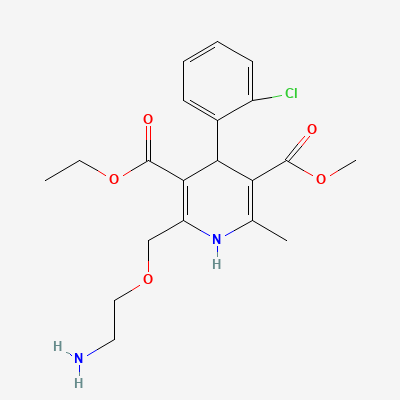
Amlodipine

Calcium Channel Blocker · Antihypertensive

Also known as Amlodipine besylate, Amlodipine maleate, Amlodipine camsylate
START
5 mg PO once daily
TYPICAL MAX
10 mg/day
STOP IF
Severe aortic stenosis · cardiogenic shock
WATCH
Peripheral edema · gingival hyperplasia
CDSCO approvedSchedule HJan AushadhiNPPA price-controlledATC C08CA01
Dose laddermg/d
2.5frail elderly5standard start10max
Renal dose adjustmenteGFR mL/min/1.73m²
FULLNo adjustment (predominantly hepatic clearance)90

KDIGO 2024 + manufacturer label

Pharmacokineticsplasma · t hours
6hONSET8hPEAK1.5d1dDURATION
ONSET
6h · BP effect onset
PEAK
8h · Cmax
1.5d · plasma t½ (long)
DURATION
1d · once-daily dosing window
EXCRETION
Hepatic CYP3A4 · 10% renal unchanged
route + CYP
INTERACTIONS
12 major
SEVERE in our sources
PREGNANCY
Category C — use if maternal benefit > fetal risk
FDA category + note
Top interactionssee all 12
  • ApalutamideSevereDatabaseDDInter
  • CarbamazepineSevereDatabaseDDInter
  • CeritinibSevereDatabaseDDInter
  • DolasetronSevereDatabaseDDInter
Available in India

552 branded formulations and 2,177 fixed-dose combinations. Look up specific brands in the Drugs workspace.

Jan Aushadhi — generic available at GoI pharmacies

Mechanism

Amlodipine is a dihydropyridine calcium channel blocker that inhibits the transmembrane influx of calcium ions into vascular smooth muscle and cardiac muscle. Its primary effect is direct vasodilation of peripheral arterioles and coronary arteries, leading to a reduction in peripheral vascular resistance and myocardial oxygen demand, thus lowering blood pressure and relieving angina.

Indications

Hypertension (as monotherapy or in combination)Chronic stable anginaVasospastic angina (Prinzmetal's or variant angina)Coronary artery disease (reduce risk of hospitalization for angina and procedures)PAH patients with positive vasodilator testingHypertensionAnginaAngina pectoris

Dosing

Adult
Hypertension/Angina: Initially 5 mg orally once daily. May be increased to a maximum of 10 mg once daily, usually after 7-14 days. Some patients (e.g., frail, elderly, or those with hepatic impairment) may start with 2.5 mg once daily.
Pediatric
Children 6-17 years (Hypertension): Initially 2.5 mg orally once daily. May be increased to 5 mg once daily after 4 weeks if blood pressure not controlled.
Renal adjustment
No dosage adjustment is required for patients with renal impairment.
Hepatic adjustment
In patients with hepatic impairment, initiate amlodipine at 2.5 mg orally once daily. Dose titration should be done slowly with careful monitoring.
Geriatric
Initiate with 2.5 mg orally once daily. Increase dose slowly with careful monitoring.
Max dose
10 mg orally once daily

Pharmacokinetics

Onset
6-12 hours (antihypertensive effect)
Peak effect
6-12 hours (plasma concentration); 6-9 hours (blood pressure reduction)
Duration
24 hours
Half-life
30-50 hours
Bioavailability
64-90% (oral)
Protein binding
Approximately 97.5%
Metabolism
Extensively hepatic, primarily via CYP3A4 to inactive metabolites
Excretion
Primarily renal (approximately 60% as inactive metabolites, 10% as unchanged drug); 20-25% via feces

Contraindications

  • Hypersensitivity to amlodipine or other dihydropyridines
  • Cardiogenic shock
  • Severe aortic stenosis (relative)
  • Unstable angina (acute phase, relative)

Side effects

Common
Peripheral edema (dose-dependent)HeadacheFlushingPalpitationsFatigue/AstheniaDizzinessNauseaAbdominal painSomnolencesystemic hypotensionedemafatiguePeripheral edema (ankle edema)less peripheral edema (for S-amlodipine)palpitation (largely avoided)flushing (largely avoided)headache (largely avoided)postural dizziness (largely avoided)Gingival hyperplasia
Serious
  • Symptomatic hypotension
  • Bradycardia
  • Angina exacerbation or myocardial infarction (rare, especially during initiation or dose increase)
  • Hepatic enzyme elevations/Hepatitis (rare)
  • Gingival hyperplasia (rare, chronic use)
  • Erythema multiforme/Stevens-Johnson syndrome (rare)
  • Angioedema (rare)
  • worsening V/Q mismatch and hypoxemia (due to reduced hypoxic pulmonary vasoconstriction)
  • deterioration of RV function

Pregnancy & lactation

Pregnancy

Category C — use if maternal benefit > fetal risk

Lactation

Amlodipine is excreted in human milk. The effect of amlodipine on the breastfed infant is unknown. Use with caution during breastfeeding; monitor infants for adverse effects.

Drug interactions

Apalutamide
Severe
Database

Drug interaction classified as: metabolism

Source: DDInter

Carbamazepine
Severe
Database

Potentially decreased amlodipine plasma concentrations, leading to reduced antihypertensive effect.

Monitor blood pressure and adjust amlodipine dose as needed.

Source: DDInter

Ceritinib
Severe
Database

Drug interaction classified as: synergy

Source: DDInter

Dolasetron
Severe
Database

Drug interaction classified as: synergy.

Source: DDInter

Enzalutamide
Severe
Database

Drug interaction classified as: metabolism.

Source: DDInter

Fosphenytoin
Severe
Database

Drug interaction classified as: metabolism

Source: DDInter

Itraconazole
Severe
Database

Excessive vasodilation, edema, hypotension.

Monitor BP. Consider dose reduction.

Source: DDInter

Lemborexant
Severe
Database

Drug interaction classified as: metabolism

Source: DDInter

Lonafarnib
Severe
Database

Drug interaction classified as: metabolism

Source: DDInter

Lumacaftor
Severe
Database

Drug interaction classified as: metabolism

Source: DDInter

Mitotane
Severe
Database

Drug interaction classified as: metabolism

Source: DDInter

Phenobarbital
Severe
Database

Drug interaction classified as: metabolism.

Source: DDInter

Related guidelines

Other Calcium Channel Blocker drugs

Ask House about Amlodipine

Continue into a citation-backed clinical answer with the drug context already attached.

Sources: KD Tripathi 7e, Goodman & Gilman 14e, Harrison 22e, Katzung·Verified: 2026-05-17 · House clinical team·Cockpit curated: 2026-05-16