Drug lookup
Drug reference

Dexamethasone

Corticosteroid

Also known as Dexamethasone sodium phosphate, Dexamethasone acetate, Decadron, Dexone, Maxidex
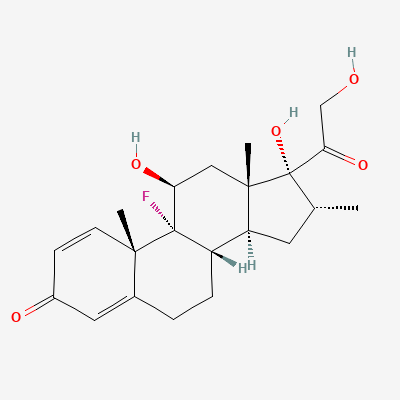
START
0.5-9 mg PO/IV daily (indication-dependent)
TYPICAL MAX
0.6 mg/kg/day for cerebral edema; taper after stabilization
STOP IF
Systemic fungal infection · live vaccine within 4 weeks
WATCH
Glucose · BP · infection · mood · adrenal axis
CDSCO approvedSchedule HJan AushadhiNPPA price-controlledATC H02AB02
Dose laddermg/d
0.5start4titrate8titrate16titrate40max
Renal dose adjustmenteGFR mL/min/1.73m²
FULLNo renal adjustment (hepatic clearance)90

KDIGO 2024 + manufacturer label

Pharmacokineticsplasma · t hours
1hONSET1hPEAK4h1.5dDURATION
ONSET
1h · anti-inflammatory action
PEAK
1h · Cmax IV / 1-2h PO
4h · plasma t½ (biological 36-54h)
DURATION
1.5d · biological half-life dominant
EXCRETION
Hepatic CYP3A4 · renal metabolites
route + CYP
INTERACTIONS
12 major
incl. contraindicated
PREGNANCY
Category C — fluorinated, crosses placenta (used for fetal lung maturation 24-34 weeks)
FDA category + note
Top interactionssee all 12
  • ValbenazineContraindicatedTextbookG&G 14e · p372
  • AspirinSevereTextbook-citedKDT 7e · p950
  • CelecoxibSevereTextbook-citedKDT 7e · p950
  • DiclofenacSevereTextbook-citedKDT 7e · p950
Available in India

136 branded formulations and 223 fixed-dose combinations. Look up specific brands in the Drugs workspace.

Jan Aushadhi — generic available at GoI pharmacies

Mechanism

Dexamethasone is a potent synthetic glucocorticoid that binds to intracellular glucocorticoid receptors, leading to a cascade of gene expression changes. This results in broad anti-inflammatory and immunosuppressive effects by inhibiting the release of inflammatory mediators (e.g., prostaglandins, leukotrienes), reducing capillary permeability, and suppressing the migration and activity of immune cells (e.g., lymphocytes, macrophages).

Indications

Allergic reactions (severe)Asthma (acute exacerbations)Chronic Obstructive Pulmonary Disease (COPD) exacerbationsCerebral edema (due to tumors, trauma)Rheumatic disorders (e.g., rheumatoid arthritis, lupus)Dermatological diseases (severe inflammatory conditions)Endocrine disorders (e.g., adrenal insufficiency, congenital adrenal hyperplasia)Gastrointestinal diseases (e.g., Crohn's disease, ulcerative colitis exacerbations)Hematologic disorders (e.g., ITP, hemolytic anemia)Neoplastic diseases (as part of chemotherapy regimens, for palliative care, or to manage side effects)Ophthalmic diseases (severe inflammatory conditions)Spinal cord compression (off-label)Prevention of chemotherapy-induced nausea and vomiting (CINV)Meningitis (adjunctive therapy to reduce inflammation, primarily in bacterial meningitis)COVID-19 (severe cases requiring oxygen or mechanical ventilation)prevention of nausea and vomiting (in combination with droperidol and metoclopramide)acute mountain sickness (prophylaxis or treatment)rheumatoid arthritisidiopathic thrombocytopenic purpuraacute adrenal insufficiency (initial management of unconfirmed cases)chronic adrenal insufficiency (used, but requires careful monitoring for cushingoid features)antenatal use (in premature labor to decrease incidence of respiratory distress syndrome)hospitalized COVID-19 patients requiring mechanical ventilationcerebral edema (associated with parasites and neoplasms)diagnostic aid in patients suspected of Cushing syndromeacute lymphatic leukemia (chemotherapy)Adjunct in the treatment of nausea in patients with widespread cancerPostoperative nausea and vomiting (PONV)Chemotherapy-induced nausea and vomitingRemission induction in multiple myeloma (typically in combination with bortezomib, anthracyclines, or lenalidomide)Reduce edema related to tumors in critical areas such as the superior mediastinum, brain, and spinal cord (in conjunction with radiotherapy)As part of an antiemetic regimen in patients receiving chemotherapysteroid-responsive inflammatory conditions of the palpebral and bulbar conjunctiva, cornea, and anterior segmentinfective conjunctivitis (to reduce edema and inflammation when hazard of steroid use is acceptable)corneal injury from chemical, radiation, or thermal burns or penetration of foreign objectpostoperative inflammationposterior uveitis (sub-Tenon's, systemic)macular edemanoninfectious uveitis affecting the posterior segment of the eyeallergic conjunctivitisallergic marginal corneal ulcerchorioretinitiscyclitisendophthalmitis (off-label)Graves’ ophthalmopathygiant papillary conjunctivitisherpes zoster ocular infectioniritiskeratitissuperficial punctate keratitisoptic neuritisdiffuse choroiditissympathetic ophthalmiavernal keratoconjunctivitisinflammatory conditionsallergic conditionsshockcerebral edemaacute adrenal insufficiencymalignanciespituitary-adrenal axis function testingthyroid stormalleviate nausea and vomiting due to moderately emetogenic chemotherapyaugment the efficacy of primary antiemetic drugs (metoclopramide, ondansetron) against highly emetogenic regimensbenefit both acute and delayed emesisreduce certain side effects of the primary antiemeticFatigue in cancer patientsPain in cancer patientsNausea in cancer patientsImproved well-being in cancer patientsPrevention of chemotherapy-induced nausea and vomiting (severely emetogenic, moderately emetogenic, low-risk regimens)All stages of multiple myelomaHypercalcemia in multiple myelomaCord compression in multiple myelomaSubstantial periabscess edemaAssociated mass effectIncreased intracranial pressureHib meningitis in children >2 months of ageVasogenic edema from tumorVasogenic edema from abscess

Dosing

Adult
Highly variable based on indication. For anti-inflammatory/immunosuppressive effect: 0.75 mg to 9 mg daily, orally in divided doses or once daily. For cerebral edema: Initial 10 mg IV, then 4 mg IV/IM every 6 hours. For CINV prevention: 8-20 mg IV or orally before chemotherapy. For COVID-19: 6 mg orally or IV once daily for up to 10 days.
Pediatric
Highly variable based on indication and weight. For anti-inflammatory/immunosuppressive effect: 0.02-0.3 mg/kg/day orally in 3-4 divided doses. For cerebral edema: Initial 0.5-1.5 mg/kg IV, then 0.25-0.4 mg/kg IV/IM every 6 hours. Max 16 mg/day.
Renal adjustment
Generally no dose adjustment required for renal impairment. Dexamethasone is primarily metabolized by the liver, and renal excretion of unchanged drug is minimal. Dialysis does not significantly remove dexamethasone from the body. Monitor for fluid retention and electrolyte imbalances in severe renal disease.…

Pharmacokinetics

Onset
Rapid (within minutes to hours depending on route and indication)
Peak effect
Oral: 1-2 hours; IV: within minutes
Duration
Biological half-life: 36-54 hours (long-acting)
Half-life
Plasma half-life: 3-4.5 hours
Bioavailability
Oral: 80-90%
Protein binding
Approximately 77% (variable)
Metabolism
Hepatic, primarily via CYP3A4
Excretion
Primarily renal (as metabolites)

Contraindications

  • Systemic fungal infections
  • Known hypersensitivity to dexamethasone or any component
  • Live virus vaccines in patients receiving immunosuppressive doses of corticosteroids
  • Active untreated infections (unless concurrent appropriate anti-infective therapy is used)
  • Abrupt discontinuation in patients receiving radiotherapy or chemotherapy for brain metastases (can lead to rapid recrudescence of symptoms)
  • peptic ulcer
  • diabetes mellitus
  • hypertension
  • viral infections
  • fungal infections
  • tuberculosis
  • other infections
  • osteoporosis
  • herpes simplex keratitis
  • psychosis
  • epilepsy
  • congestive heart failure
  • renal failure

Side effects

Common
Fluid retentionElectrolyte disturbances (e.g., hypokalemia, hypocalcemia, hypernatremia)Increased appetiteWeight gainInsomniaNervousnessMood changesDyspepsiaIncreased blood glucose levelsHypertensionAcneThinning skinIncreased susceptibility to infectionsAdrenal suppression (with prolonged use)Cushing syndromeGlucose intoleranceImmunosuppressionOsteoporosisPsychosisconfusionsleep difficulties
Serious
  • Adrenal crisis (upon abrupt withdrawal)
  • Osteoporosis/fractures
  • Avascular necrosis
  • Cataracts
  • Glaucoma
  • Peptic ulceration/GI bleeding
  • Pancreatitis
  • Myopathy
  • Psychiatric disturbances (e.g., psychosis, depression, mania)
  • Cushing's syndrome
  • Growth suppression in children
  • Congestive heart failure exacerbation
  • Thromboembolism
  • Opportunistic infections
  • HPA axis suppression (with long-term use)
  • adrenal insufficiency (upon withdrawal)
  • fluid and electrolyte abnormalities
  • hypertension
  • hyperglycemia
  • increased susceptibility to infection
  • peptic ulcers
  • osteoporosis
  • behavioral disturbances
  • growth arrest (in children)
  • fat redistribution
  • striae
  • ecchymoses
  • osteonecrosis
  • pseudotumor cerebri (upon withdrawal)
  • posterior subcapsular cataracts
  • secondary infections
  • secondary open-angle glaucoma
  • marked pituitary-adrenal suppression
  • Increased susceptibility to bacterial and fungal infection

Pregnancy & lactation

Pregnancy

Category C — fluorinated, crosses placenta (used for fetal lung maturation 24-34 weeks)

Lactation

Dexamethasone is excreted in breast milk. While low doses may be acceptable, high-dose or prolonged use is generally discouraged due to potential for growth suppression, interference with endogenous corticosteroid production, and other adverse effects in the infant. If use is necessary, monitor the infant for side effects and consider minimizing exposure by timing doses immediately after feeding.

Drug interactions

Valbenazine
Contraindicated
Textbook

Potential loss of valbenazine efficacy.

Not recommended.

Source: G&G 14e · p372

Aspirin
Severe
Textbook-cited

Significantly increased GI bleeding risk.

Concurrent use is contraindicated; if unavoidable, add PPI

Source: KDT 7e · p950

Celecoxib
Severe
Textbook-cited

Significantly increased GI bleeding risk.

Concurrent use is contraindicated; if unavoidable, add PPI

Source: KDT 7e · p950

Diclofenac
Severe
Textbook-cited

Significantly increased GI bleeding risk.

Concurrent use is contraindicated; if unavoidable, add PPI

Source: KDT 7e · p950

Ibuprofen
Severe
Textbook-cited

Significantly increased GI bleeding risk.

Concurrent use is contraindicated; if unavoidable, add PPI

Source: KDT 7e · p950

Indomethacin
Severe
Textbook-cited

Significantly increased GI bleeding risk.

Concurrent use is contraindicated; if unavoidable, add PPI

Source: KDT 7e · p950

Ketorolac
Severe
Textbook-cited

Significantly increased GI bleeding risk.

Concurrent use is contraindicated; if unavoidable, add PPI

Source: KDT 7e · p950

Mefenamic Acid
Severe
Textbook-cited

Significantly increased GI bleeding risk

Concurrent use is contraindicated; if unavoidable, add PPI

Source: KDT 7e · p950

Naproxen
Severe
Textbook-cited

Significantly increased GI bleeding risk.

Concurrent use is contraindicated; if unavoidable, add PPI

Source: KDT 7e · p950

Piroxicam
Severe
Textbook-cited

Significantly increased GI bleeding risk.

Concurrent use is contraindicated; if unavoidable, add PPI

Source: KDT 7e · p950

Adalimumab
Severe
Database

Drug interaction classified as: synergy.

Source: DDInter

Amiodarone
Severe
Database

Decrease amiodarone levels.

Source: DDInter

Related guidelines

Other Corticosteroid drugs

Ask House about Dexamethasone

Continue into a citation-backed clinical answer with the drug context already attached.

Sources: KD Tripathi 7e, Goodman & Gilman 14e, Harrison 22e, Katzung·Verified: 2026-05-17 · House clinical team·Cockpit curated: 2026-05-16