Drug lookup
Drug reference

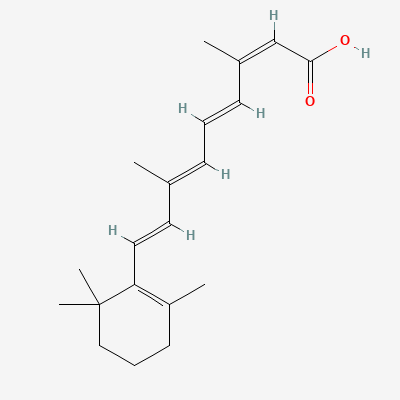
Isotretinoin

Retinoid · Dermatology

Also known as 13-cis-retinoic acid, Roaccutane, Accutane
START
Confirm severe nodular acne unresponsive to conventional therapy. Baseline LFTs, fasting lipids, CBC, pregnancy test (two negative tests required before starting in women of childbearing potential). Register in iPLEDGE (or equivalent). Counsel on teratogenicity, mood changes, and dry skin management.
TYPICAL MAX
2 mg/kg/day; cumulative 150 mg/kg. Do not exceed.
STOP IF
Pregnancy (discontinue immediately), ALT/AST >3x ULN, triglycerides >800 mg/dL (pancreatitis risk), severe depression/suicidal ideation, signs of pseudotumor cerebri, severe IBD
WATCH
LFTs and lipids at baseline, then monthly; pregnancy test monthly (women of childbearing potential); mood/mental status (monthly); dry skin/eye management; musculoskeletal symptoms
CDSCO approvedATC D10BA01
Dose laddermg/d
250start500titrate1ktitrate2kmax: 2 mg/kg/day
Renal dose adjustmenteGFR mL/min/1.73m²
FULLNo adjustment required1590

KDIGO 2024 + manufacturer label

Pharmacokineticsplasma · t hours
1hONSET4hPEAK15h120wDURATION
ONSET
1h · absorption onset
PEAK
4h · 3-5 h (oral, with food)
15h · 10-20 h (mean ~15 h)
DURATION
120w · Long-term remission (months-years after course)
EXCRETION
Equal urine/fecal (metabolites); hepatic CYP2C8/CYP3A4; <1% unchanged
route + CYP
INTERACTIONS
12 major
incl. contraindicated
PREGNANCY
FDA PLLR: ABSOLUTE CONTRAINDICATION. Causes severe, life-threatening birth defects. Two forms of effective contraception required for females of childbearing potential 1 month before, during, and 1 month after therapy. Monthly pregnancy tests mandatory. iPLEDGE registration required.
FDA category + note
Top interactionssee all 12
  • DoxycyclineContraindicatedDatabaseDDInter
  • TetracyclineContraindicatedDatabaseDDInter
  • TetracyclinesContraindicatedDatabaseKimi deep-research + Cla
  • Tetracyclines (e.g., Doxycycline, Minocycline)ContraindicatedDatabase
Available in India

403 branded formulations. Look up specific brands in the Drugs workspace.

Mechanism

Isotretinoin is a retinoid (13-cis-retinoic acid) that is a stereoisomer of tretinoin (all-trans-retinoic acid). It reduces sebaceous gland size and sebum production by ~90% through: (1) inhibition of sebocyte proliferation and differentiation; (2) apoptosis of sebocytes; (3) normalization of keratinization within the follicle, preventing comedone formation; and (4) anti-inflammatory effects including reduction of P. acnes colonization and inhibition of pro-inflammatory cytokines (IL-1, IL-8, TNF-alpha). Isotretinoin also modulates gene expression through binding to nuclear retinoic acid receptors (RARs) and retinoid X receptors (RXRs), affecting transcription of multiple genes involved in cell differentiation and proliferation.

Indications

Severe recalcitrant nodular acneAcne conglobataAcne fulminansGram-negative folliculitisRosacea fulminans (off-label)Hidradenitis suppurativa (off-label)Chemoprevention of skin cancer (off-label, high-risk patients)Neuroblastoma (off-label, high-dose)

Dosing

Adult
0.5-1 mg/kg/day PO divided BID with meals for 15-20 weeks. Nodular acne: 0.5-2 mg/kg/day. Cumulative dose target: 120-150 mg/kg over course. Some regimens use lower doses (0.25-0.5 mg/kg/day) for longer duration with fewer side effects.
Pediatric
≥12 years: same as adult dosing. <12 years: not recommended.
Renal adjustment
No adjustment required.
Hepatic adjustment
Contraindicated in hepatic insufficiency. Baseline and periodic LFTs required.
Geriatric
Not typically indicated. If used, standard adult dosing.
Max dose
2 mg/kg/day; cumulative 150 mg/kg per course

Pharmacokinetics

Onset
Reduced sebum production within 2-4 weeks; clinical improvement in acne within 4-8 weeks.
Peak effect
Oral: peak plasma at 3-5 hours (with high-fat meal increases absorption 1.5-2x).
Duration
Long-term remission after single course (in ~70% of patients).
Half-life
~10-20 hours (mean ~15 hours).
Bioavailability
~25% (oral; highly variable; increased with high-fat meal).
Protein binding
~99.9% (bound primarily to albumin).
Metabolism
Extensive hepatic via oxidation to 4-oxo-isotretinoin (active metabolite) and tretinoin (all-trans-retinoic acid — active), followed by glucuronidation and further oxidation. CYP2C8, CYP2C9, CYP3A4, and CYP2B6 involved.
Excretion
Urine and feces (approximately equal; primarily as metabolites). <1% excreted unchanged.

Contraindications

  • Pregnancy (absolute contraindication — Category X; causes severe birth defects: craniofacial, cardiac, CNS, thymic abnormalities)
  • Breastfeeding
  • Hypersensitivity to isotretinoin, vitamin A, or parabens
  • Hepatic insufficiency
  • Hypervitaminosis A
  • Hyperlipidemia unresponsive to therapy
  • Concurrent tetracycline use (increased intracranial pressure/pseudotumor cerebri risk)

Side effects

Common
Dry skin, cheilitis (chapped lips — nearly universal)Dry eyes, conjunctivitisDry nose, epistaxisMyalgias, arthralgias (especially with vigorous exercise)Elevated triglycerides, cholesterolElevated liver enzymes (transient)Photosensitivity
Serious
  • TERATOGENICITY (FDA iPLEDGE program — mandatory for all prescribers/dispensers/patients in US) — severe birth defects
  • Hepatotoxicity (hepatitis, elevated transaminases >3x ULN)
  • Pancreatitis (especially with severe hypertriglyceridemia >800 mg/dL)
  • Pseudotumor cerebri / increased intracranial pressure (especially with tetracyclines — headache, nausea, vomiting, visual disturbances)
  • Depression, suicidal ideation, psychosis (controversial; monitoring required)
  • Inflammatory bowel disease (IBD) exacerbation or new onset (controversial)
  • Night blindness (decreased dark adaptation)
  • Skeletal hyperostosis, premature epiphyseal closure (with high-dose/long-term use)
  • Agranulocytosis (rare)

Pregnancy & lactation

Pregnancy

FDA PLLR: ABSOLUTE CONTRAINDICATION. Causes severe, life-threatening birth defects. Two forms of effective contraception required for females of childbearing potential 1 month before, during, and 1 month after therapy. Monthly pregnancy tests mandatory. iPLEDGE registration required.

Lactation

Contraindicated during breastfeeding. Excreted in breast milk. Risk of infant toxicity.

Drug interactions

Doxycycline
Contraindicated
Database

Pseudotumor cerebri.

Contraindicated.

Source: DDInter

Tetracycline
Contraindicated
Database

Pseudotumor cerebri: severe headache, papilledema, vision loss.

Never combine.

Source: DDInter

Tetracyclines
Contraindicated
Database

Both isotretinoin and tetracyclines can increase intracranial pressure. Combined use significantly increases risk of pseudotumor cerebri (benign intracranial hypertension) with headache, nausea, vomiting, papilledema, and vision loss.

Absolute contraindication. Do NOT use tetracyclines during isotretinoin therapy. Use alternative antibiotics (macrolides) if needed for acne.

Source: Kimi deep-research + Cla

Tetracyclines (e.g., Doxycycline, Minocycline)
Contraindicated
Database

Increased risk of pseudotumor cerebri (benign intracranial hypertension) with symptoms like headache, nausea, vomiting, and papilledema.

Concomitant use is contraindicated. If a patient on isotretinoin develops symptoms of pseudotumor cerebri, discontinue isotretinoin immediately and refer for neurological evaluation. Avoid starting isotretinoin in patients currently on tetracyclines, and vice versa.

Vitamin A Supplements
Contraindicated
Database

Additive hypervitaminosis A effects — increased risk of hepatotoxicity, intracranial hypertension, bone toxicity, and mucocutaneous side effects.

Avoid vitamin A supplements during isotretinoin therapy. Patient education on avoiding multivitamins containing vitamin A.

Source: Kimi deep-research + Cla

Acitretin
Severe
Database

Clinical effect not specified

Source: DDInter

Aminolevulinic Acid
Severe
Database

Clinical effect not specified

Source: DDInter

Bexarotene
Severe
Database

Drug interaction classified as: synergy

Source: DDInter

Demeclocycline
Severe
Database

Clinical effect not specified

Source: DDInter

Eravacycline
Severe
Database

Clinical effect not specified

Source: DDInter

Leflunomide
Severe
Database

Clinical effect not specified

Source: DDInter

Lomitapide
Severe
Database

Clinical effect not specified

Source: DDInter

Related guidelines

Other Retinoid drugs

Ask House about Isotretinoin

Continue into a citation-backed clinical answer with the drug context already attached.

Sources: KD Tripathi 7e, Goodman & Gilman 14e, Katzung, BNF·Verified: 2026-05-18 · House clinical team·Cockpit curated: 2026-05-18