Drug lookup
Drug reference

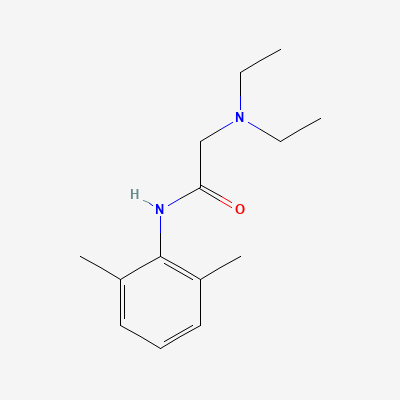
Lidocaine

Local Anesthetic

Also known as Lidocaine hydrochloride
START
Confirm ventricular arrhythmia or local anesthesia indication. Baseline ECG, BP, weight. For IV antiarrhythmic: continuous cardiac monitoring. Calculate max local dose based on weight and epinephrine use.
TYPICAL MAX
3 mg/kg IV bolus; 4 mg/min infusion. Local: 4.5 mg/kg (no epi); 7 mg/kg (with epi).
STOP IF
Seizures, severe CNS toxicity, cardiovascular collapse, complete heart block, severe hypotension (SBP <90)
WATCH
ECG (rhythm, QT), BP, CNS status (early toxicity signs: numbness, tinnitus, metallic taste), drug levels if prolonged infusion (therapeutic: 1.5-5 mcg/mL; toxic: >5 mcg/mL)
CDSCO approvedSchedule HATC C01BB01
Dose laddermg/d
70start100max210titrate240ceiling
Renal dose adjustmenteGFR mL/min/1.73m²
FULLNo adjustment; monitor for MEGX accumulation in severe renal impairment1590

KDIGO 2024 + manufacturer label

Pharmacokineticsplasma · t hours
6minONSET30minPEAK1.8h1.5hDURATION
ONSET
6min · Immediate (IV); 1-5 min (local)
PEAK
30min · 20-30 min (local)
1.8h · 1.5-2 h (normal); 4-6 h (hepatic impairment)
DURATION
1.5h · 10-20 min (IV); 0.5-2 h (local); 12 h (patch)
EXCRETION
~90% renal (metabolites MEGX, GX); hepatic CYP1A2/CYP3A4; <10%
route + CYP
INTERACTIONS
12 major
SEVERE in our sources
PREGNANCY
FDA PLLR: Animal studies showed no teratogenicity. Widely used in pregnancy for local anesthesia. Large doses may cause fetal bradycardia. Use lowest effective dose.
FDA category + note
Top interactionssee all 12
  • AtenololSevereTextbook-citedKDT 7e · p950
  • BisoprololSevereTextbook-citedKDT 7e · p950
  • CarvedilolSevereTextbook-citedKDT 7e · p950
  • MetoprololSevereTextbook-citedKDT 7e · p950
Available in India

106 branded formulations and 223 fixed-dose combinations. Look up specific brands in the Drugs workspace.

Mechanism

Lidocaine is a class IB antiarrhythmic and amide-type local anesthetic. As an antiarrhythmic, it blocks voltage-gated sodium channels in their open or inactivated state, preferentially affecting ischemic or depolarized tissues (such as in myocardial infarction). It shortens the action potential duration and effective refractory period in Purkinje fibers and ventricular muscle, and suppresses automaticity in ectopic foci. As a local anesthetic, it blocks sodium channels in neuronal membranes, preventing depolarization and propagation of action potentials, resulting in reversible loss of sensation in the targeted area. Unlike ester-type local anesthetics, lidocaine is metabolized by hepatic amidases and does not require plasma pseudocholinesterase.

Indications

Ventricular arrhythmias (PVCs, ventricular tachycardia) — especially post-MIPrevention of ventricular fibrillationLocal anesthesia (infiltration, nerve block, spinal/epidural, topical)Post-herpetic neuralgia (5% patch — Lidoderm)Neuropathic pain (off-label, topical, IV infusion)Status epilepticus (refractory — off-label, IV)Intubation/awake fiberoptic intubation (topical anesthesia)

Dosing

Adult
Antiarrhythmic: 1-1.5 mg/kg IV bolus; repeat 0.5-0.75 mg/kg at 5-10 min intervals (max 3 mg/kg); then 1-4 mg/min IV infusion. Local anesthesia: 1-2% solution; max 4.5 mg/kg (without epinephrine) or 7 mg/kg (with epinephrine). Patch (post-herpetic neuralgia): apply to intact skin over painful area; max 3 patches simultaneously for 12 hours on, 12 hours off.
Pediatric
Antiarrhythmic: 1 mg/kg IV bolus; then 20-50 mcg/kg/min infusion. Local anesthesia: weight-based; max 4.5 mg/kg.
Renal adjustment
No specific adjustment for antiarrhythmic use. Metabolite MEGX may accumulate in severe renal impairment.
Hepatic adjustment
Reduce bolus dose by 50% and infusion rate by 50%. Monitor levels if available.
Geriatric
Reduce dose by 50%. Increased risk of CNS toxicity (confusion, seizures). Monitor drug levels.
Max dose
Antiarrhythmic: 3 mg/kg bolus; 4 mg/min infusion. Local: 4.5 mg/kg (without epi); 7 mg/kg (with epi). Patch: 3 patches q12h.

Pharmacokinetics

Onset
IV: immediate antiarrhythmic effect. Local infiltration: 1-5 minutes. Nerve block: 5-15 minutes.
Peak effect
IV: immediate. Local: 20-30 minutes. Patch: 12-24 hours (steady-state tissue levels).
Duration
IV antiarrhythmic: 10-20 minutes (short — requires infusion). Local infiltration: 0.5-2 hours. Nerve block: 1-3 hours. Patch: 12 hours.
Half-life
~1.5-2 hours (adults); prolonged in hepatic impairment (4-6 hours), CHF (3-4 hours), and elderly.
Bioavailability
Negligible oral (extensive first-pass hepatic metabolism). IV/IM/local: 100%. Transdermal: ~3-5%.
Protein binding
~65-70% (bound to alpha-1-acid glycoprotein; increased in acute phase response).
Metabolism
Extensive hepatic via CYP1A2 (primary — N-deethylation to monoethylglycinexylidide [MEGX] — active metabolite) and CYP3A4 (further metabolism to glycinexylidide [GX] — less active). MEGX has ~80% activity of lidocaine and contributes to toxicity.
Excretion
Renal: ~90% (as metabolites MEGX and GX; <10% unchanged).

Contraindications

  • Hypersensitivity to lidocaine or other amide local anesthetics
  • Severe degree of SA, AV, or intraventricular heart block (without pacemaker)
  • Wolf-Parkinson-White syndrome
  • History of malignant hyperthermia (relative)
  • Relative: severe hepatic impairment (reduced metabolism, toxicity risk)
  • Relative: severe renal impairment (metabolite MEGX accumulation)

Side effects

Common
Local: injection site pain, burning, numbnessCNS: dizziness, lightheadedness, paresthesiasGI: nausea, vomitingCV: hypotension, bradycardiaMuscle twitching
Serious
  • CNS toxicity (dose-related progression: circumoral numbness → tinnitus → confusion → seizures → respiratory depression → coma)
  • Cardiovascular collapse (severe hypotension, bradycardia, asystole — usually at higher plasma levels than CNS toxicity)
  • Methemoglobinemia (rare, especially with topical use in infants or large surface area application)
  • Allergic reactions (rare with amide-type; more common with ester-type local anesthetics)
  • Malignant hyperthermia (rare trigger)

Pregnancy & lactation

Pregnancy

FDA PLLR: Animal studies showed no teratogenicity. Widely used in pregnancy for local anesthesia. Large doses may cause fetal bradycardia. Use lowest effective dose.

Lactation

Excreted in breast milk in low concentrations. Compatible with breastfeeding for local anesthesia. Monitor infant if large systemic doses used.

Drug interactions

Atenolol
Severe
Textbook-cited

Enhanced bradycardia and hypotension.

Avoid concurrent use

Source: KDT 7e · p950

Bisoprolol
Severe
Textbook-cited

Enhanced bradycardia and hypotension.

Avoid concurrent use

Source: KDT 7e · p950

Carvedilol
Severe
Textbook-cited

Enhanced bradycardia and hypotension.

Avoid concurrent use

Source: KDT 7e · p950

Metoprolol
Severe
Textbook-cited

Enhanced bradycardia and hypotension.

Avoid concurrent use

Source: KDT 7e · p950

Quinidine
Severe
Textbook-cited

Exaggerated cardiac depression; may precipitate arrhythmias

Avoid concurrent use

Source: KDT 7e · p950

Amprenavir
Severe
Database

Drug interaction classified as: metabolism

Source: DDInter

Arbutamine
Severe
Database

Drug interaction classified as: synergy

Source: DDInter

Bupropion
Severe
Database

Drug interaction classified as: synergy.

Source: DDInter

Conivaptan
Severe
Database

Drug interaction classified as: metabolism

Source: DDInter

Dofetilide
Severe
Database

Clinical effect not specified

Source: DDInter

Fosamprenavir
Severe
Database

Clinical effect not specified

Source: DDInter

Iohexol
Severe
Database

.

Source: DDInter

Related guidelines

Other Local Anesthetic drugs

Ask House about Lidocaine

Continue into a citation-backed clinical answer with the drug context already attached.

Sources: KD Tripathi 7e, Goodman & Gilman 14e, Harrison 22e, Katzung·Verified: 2026-05-18 · House clinical team·Cockpit curated: 2026-05-18