Drug lookup
Drug reference

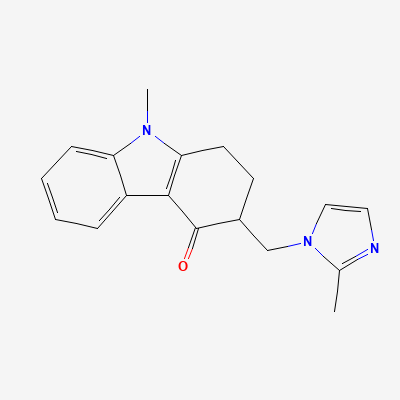
Ondansetron

Antiemetic

Also known as Ondansetron Hydrochloride, Zofran, Emeset, Vomikind, Ondem

START
8 mg PO/IV (standard); 24 mg PO (highly emetogenic chemo); 0.15 mg/kg IV (pediatric chemo)
TYPICAL MAX
24 mg single oral dose; 16 mg single IV dose; 8 mg/day (severe hepatic impairment)
STOP IF
QTc >500 ms or increase >60 ms from baseline, serotonin syndrome (agitation, tremor, hyperthermia), severe hypersensitivity (anaphylaxis, SJS/TEN), transient blindness (IV)
WATCH
ECG (QT interval) — especially if IV push, elderly, electrolyte abnormalities, or on other QT-prolonging drugs; magnesium and potassium levels (replete before dosing); signs of serotonin syndrome if on other serotonergics; postoperative ileus masking
CDSCO approvedJan AushadhiATC A04AA01
Dose laddermg/d
4PONV IV dose8titrate16max24ceiling
Renal dose adjustmenteGFR mL/min/1.73m²
FULLFull dose — no renal adjustment needed (primarily hepatic metabolism)1590

KDIGO 2024 + manufacturer label

Pharmacokineticsplasma · t hours
30minONSET1.5hPEAK3.5h8hDURATION
ONSET
30min · 0.5 h (oral); 5-10 min (IV)
PEAK
1.5h · 1.5-2 h (oral); 10-15 min (IV)
3.5h · 3-4 h (normal); up to 20 h (severe hepatic impairment)
DURATION
8h · 4-8 h (supports TID dosing for chemo)
EXCRETION
Hepatic CYP metabolism; <5% renal unchanged
route + CYP
INTERACTIONS
12 major
incl. contraindicated
PREGNANCY
Risk cannot be ruled out. Large epidemiologic studies have not shown consistent evidence of teratogenicity, but a small increased risk of oral clefts cannot be excluded. Use only if clearly needed and benefits outweigh potential risks. Preferred antiemetic for hyperemesis gravidarum per ACOG guidelines.
FDA category + note
Top interactionssee all 12
  • ApomorphineContraindicatedDatabaseKimi deep-research + Cla
  • AlfentanilSevereDatabaseDDInter
  • AlmotriptanSevereDatabaseDDInter
  • AmiodaroneSevereDatabaseDDInter
Available in India

2,381 branded formulations and 22 fixed-dose combinations. Look up specific brands in the Drugs workspace.

Jan Aushadhi — generic available at GoI pharmacies

Mechanism

Ondansetron is a selective serotonin 5-HT3 receptor antagonist. It competitively blocks 5-HT3 receptors located peripherally on vagal nerve terminals in the gastrointestinal tract and centrally in the chemoreceptor trigger zone (CTZ) of the area postrema. By antagonizing serotonin at these receptors, ondansetron prevents both peripheral and central initiation of the vomiting reflex, effectively suppressing nausea and vomiting associated with chemotherapy, radiation therapy, and surgery.

Indications

Prevention of nausea and vomiting associated with highly emetogenic cancer chemotherapy (e.g., cisplatin ≥50 mg/m²)Prevention of nausea and vomiting associated with moderately emetogenic cancer chemotherapyPrevention of nausea and vomiting associated with radiotherapy (total body irradiation, single high-dose fraction to abdomen, daily fractions to abdomen)Prevention and treatment of postoperative nausea and vomiting (PONV)Prevention of nausea and vomiting in pediatric patients (≥6 months) receiving moderately to highly emetogenic chemotherapyPrevention of PONV in pediatric patients (≥1 month)

Dosing

Adult
CINV (highly emetogenic): 24 mg oral once, 30 min before chemotherapy; OR 0.15 mg/kg IV (max 16 mg) over 15 min, 30 min before chemo, repeated at 4 and 8 hours. CINV (moderately emetogenic): 8 mg oral 30 min before chemo, then 8 mg every 8 hours for 1-2 days; OR 8 mg IV as a single dose. RINV: 8 mg oral 1-2 hours before radiotherapy, then 8 mg every 8 hours. PONV: 16 mg oral 1 hour before anesthesia; OR 4 mg IV over 2-5 min at induction or post-op.
Pediatric
CINV (6 months to 18 years): 0.15 mg/kg IV (max 16 mg) over 15 min, starting 30 min before chemo, repeated at 4 and 8 hours. PONV (1 month to 12 years, weight ≤40 kg): 0.1 mg/kg IV (max 4 mg) at induction or post-op. PONV (>12 years or >40 kg): 4 mg IV at induction or post-op.
Renal adjustment
No dosage adjustment is required for patients with renal impairment. Ondansetron is metabolized hepatically; renal excretion of unchanged drug is minimal (~5%).
Hepatic adjustment
In patients with severe hepatic impairment (Child-Pugh score ≥10), do not exceed a total daily dose of 8 mg (oral or IV). Monitor for increased adverse effects (headache, constipation, QT prolongation).
Geriatric
No specific dosage adjustment required based on age alone. However, use with caution in elderly patients with cardiac conditions due to increased risk of QT prolongation and electrolyte abnormalities. Monitor ECG if on other QT-prolonging medications.
Max dose
24 mg single oral dose (CINV highly emetogenic); 16 mg single IV dose; 8 mg/day maximum for severe hepatic impairment
Pharmacokinetics

Onset
Oral: 30-60 minutes; IV: 5-10 minutes (antiemetic effect begins rapidly after IV administration).
Peak effect
Oral: 1.5-2 hours (Cmax). IV: 10-15 minutes (Cmax at end of infusion).
Duration
4-8 hours (supports TID dosing for chemotherapy); antiemetic effect may persist up to 12 hours.
Half-life
Approximately 3-4 hours in healthy adults (mean 3.8 hours); prolonged in elderly (up to 5-6 hours) and in severe hepatic impairment (up to 20 hours).
Bioavailability
Approximately 60-70% (oral tablets); slightly reduced by food. Oral disintegrating tablets and solution have similar bioavailability.
Protein binding
70-76% (primarily to albumin).
Metabolism
Extensive hepatic metabolism via multiple CYP450 enzymes: CYP1A2 (primary), CYP2D6, CYP3A4, and CYP2E1. Major metabolites are ondansetron glucuronide and sulfate conjugates (inactive). Genetic polymorphisms in CYP2D6 may affect metabolism in poor metabolizers.
Excretion
Approximately 5% excreted unchanged in urine; 65% as metabolites in urine; 25% as metabolites in feces. Renal clearance is a minor elimination pathway.

Contraindications

  • Hypersensitivity to ondansetron or any component of the formulation
  • Concomitant use of apomorphine (risk of profound hypotension and loss of consciousness; additive QT prolongation)
  • Congenital long QT syndrome
  • Patients receiving other QT-prolonging drugs who have electrolyte abnormalities (hypokalemia, hypomagnesemia)

Side effects

Common
Headache (most common; ~10-15%)Constipation (~5-10%)DiarrheaFatigueDizzinessDry mouthDrowsinessFeeling of warmth or flushingInjection site pain (IV formulation)Transient asymptomatic elevations in liver enzymes
Serious
  • QT interval prolongation and torsades de pointes (dose-dependent; risk increased with IV push >4 mg over <2-5 min, electrolyte abnormalities, concurrent QT-prolonging drugs)
  • Serotonin syndrome (especially with concurrent serotonergic drugs: SSRIs, SNRIs, MAOIs, triptans, linezolid)
  • Hypersensitivity reactions including anaphylaxis, bronchospasm, angioedema
  • Severe skin reactions (Stevens-Johnson syndrome, toxic epidermal necrolysis — rare)
  • Myocardial ischemia (coronary artery vasospasm — rare, primarily with IV use)
  • Transient blindness (predominantly during IV administration; resolves within minutes to hours)
  • Extrapyramidal reactions (rare)
  • Masking of progressive ileus/gastric distension following abdominal surgery (use with caution in postoperative patients)

Pregnancy & lactation

Pregnancy

Risk cannot be ruled out. Large epidemiologic studies have not shown consistent evidence of teratogenicity, but a small increased risk of oral clefts cannot be excluded. Use only if clearly needed and benefits outweigh potential risks. Preferred antiemetic for hyperemesis gravidarum per ACOG guidelines.

Lactation

Ondansetron is excreted in breast milk in low concentrations (estimated relative infant dose <1-5% of maternal dose). Generally considered compatible with breastfeeding at standard antiemetic doses. Monitor infant for sedation, poor feeding, or diarrhea. Consider using the lowest effective dose.

Drug interactions

Apomorphine
Contraindicated
Database

Concomitant use of ondansetron with apomorphine causes profound hypotension (systolic BP drop >20-30 mmHg) and loss of consciousness in most patients. The mechanism involves additive effects on dopaminergic and serotonergic pathways in the cardiovascular regulatory centers.

CONTRAINDICATED. Do not coadminister under any circumstances. If antiemetic therapy is needed in a patient on apomorphine, consider prochlorperazine, metoclopramide, or trimethobenzamide as alternatives.

Source: Kimi deep-research + Cla

Alfentanil
Severe
Database

Drug interaction classified as: synergy

Source: DDInter

Almotriptan
Severe
Database

Drug interaction classified as: synergy

Source: DDInter

Amiodarone
Severe
Database

Additive QT prolongation, torsades de pointes.

Avoid combination. Use alternative antiemetic (metoclopramide).

Source: DDInter

Amisulpride
Severe
Database

Risk of QT prolongation.

Amisulpride is contraindicated in patients taking other drugs (e.g., ondansetron) known to prolong the QT interval.

Source: DDInter

Amitriptyline
Severe
Database

Drug interaction classified as: synergy.

Source: DDInter

Amoxapine
Severe
Database

Drug interaction classified as: synergy

Source: DDInter

Anagrelide
Severe
Database

Drug interaction classified as: synergy

Source: DDInter

Arsenic Trioxide
Severe
Database

Drug interaction classified as: synergy

Source: DDInter

Bedaquiline
Severe
Database

Drug interaction classified as: synergy

Source: DDInter

Bepridil
Severe
Database

Drug interaction classified as: synergy

Source: DDInter

Bupropion
Severe
Database

Drug interaction classified as: synergy.

Source: DDInter

Related guidelines

Other Antiemetic drugs

Ask House about Ondansetron

Continue into a citation-backed clinical answer with the drug context already attached.

Sources: KD Tripathi 7e, Goodman & Gilman 14e, Harrison 22e, Katzung·Verified: 2026-05-18 · House clinical team·Cockpit curated: 2026-05-18