Drug lookup
Drug reference

Cefixime

Cephalosporin · Antibiotic

Also known as Cefixime trihydrate
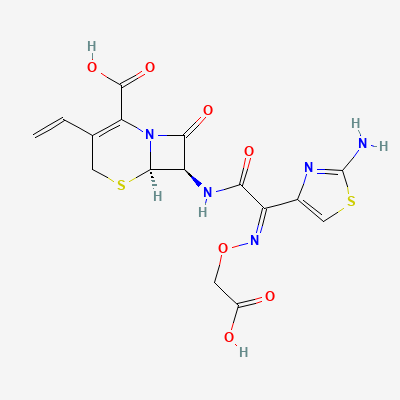
START
400 mg PO once daily OR 200 mg PO BID (or 8 mg/kg/day for peds)
TYPICAL MAX
400 mg/dose; 800 mg/day
STOP IF
Severe hypersensitivity reaction (anaphylaxis, SJS/TEN), CDAD with severe colitis, neutropenia <500/uL
WATCH
Renal function (adjust dose if CrCl <60), signs of C. difficile diarrhea, INR if on warfarin, carbamazepine levels if concurrent use
CDSCO approvedSchedule HJan AushadhiNPPA price-controlledATC J01DD08
Dose laddermg/d
200start400max800daily ceiling
Renal dose adjustmenteGFR mL/min/1.73m²
FULLFull dose: 400 mg once daily or 200 m…60REDUCEReduce to 200 mg every 24 hours20REDUCEReduce to 100 mg every …90

KDIGO 2024 + manufacturer label

Pharmacokineticsplasma · t hours
1hONSET4hPEAK3.5h12hDURATION
ONSET
1h · 1 h (oral absorption begins)
PEAK
4h · 2-6 h (oral Cmax)
3.5h · 3-4 h (prolonged in renal impairment)
DURATION
12h · 12-24 h (dosing interval)
EXCRETION
~50% renal unchanged · minor hepatic metabolism
route + CYP
INTERACTIONS
none in our sources
PREGNANCY
Limited human data; no evidence of fetal harm in animal studies. Use only if clearly needed and potential benefits outweigh potential risks. Avoid in first trimester if alternatives are available.
FDA category + note
Available in India

4,478 branded formulations and 3,790 fixed-dose combinations. Look up specific brands in the Drugs workspace.

Jan Aushadhi — generic available at GoI pharmacies

Mechanism

Cefixime is a bactericidal third-generation cephalosporin antibiotic that inhibits bacterial cell wall synthesis by binding to penicillin-binding proteins (PBPs). This binding prevents peptidoglycan cross-linking, resulting in defective cell walls, osmotic instability, and bacterial lysis. It is stable against many beta-lactamases.

Indications

Uncomplicated urinary tract infectionsOtitis mediaPharyngitis and tonsillitisAcute exacerbations of chronic bronchitisUncomplicated gonorrhea (cervical/urethral)Uncomplicated urinary tract infections caused by susceptible isolates of Escherichia coli and Proteus mirabilisOtitis media caused by susceptible isolates of Haemophilus influenzae, Moraxella catarrhalis, and Streptococcus pyogenesPharyngitis and tonsillitis caused by susceptible isolates of Streptococcus pyogenesAcute exacerbations of chronic bronchitis caused by susceptible isolates of Streptococcus pneumoniae and Haemophilus influenzae

Dosing

Adult
Oral: 400 mg once daily or 200 mg every 12 hours. For uncomplicated gonorrhea: 400 mg as a single dose. For typhoid fever (off-label, India): 200-400 mg twice daily for 10-14 days.
Pediatric
Oral (typically >6 months or >20 kg): 8 mg/kg/day once daily or 4 mg/kg every 12 hours. Maximum 400 mg/day. Children <20 kg or <6 months: 8 mg/kg/day once daily or 4 mg/kg every 12 hours (use suspension).
Renal adjustment
CrCl >60 mL/min: No adjustment. CrCl 21-60 mL/min: 200 mg every 24 hours. CrCl <20 mL/min (including hemodialysis/CAPD): 100 mg every 24 hours. Supplemental dose may be given post-dialysis.
Hepatic adjustment
No dosage adjustment is necessary for patients with hepatic impairment.
Geriatric
No specific dose adjustment required based solely on age, but monitor renal function carefully as impairment is more common in the elderly. Dosing should be adjusted if renal impairment is present.
Max dose
400 mg/dose; 800 mg/day

Pharmacokinetics

Onset
Rapid absorption with antibacterial effects shortly after oral administration.
Peak effect
2-6 hours (oral); peak plasma concentration reached within 2-6 hours after dosing.
Duration
12-24 hours
Half-life
3-4 hours (range 3.1-4.5 hours; prolonged to 6-11 hours in renal impairment).
Bioavailability
Approximately 40-50% (oral).
Protein binding
Approximately 65%.
Metabolism
Not extensively metabolized; approximately 10% may undergo hepatic metabolism.
Excretion
Primarily renal: approximately 50% excreted unchanged in urine within 24 hours; some biliary excretion (about 10%).

Contraindications

  • Hypersensitivity to cefixime or other cephalosporins
  • History of severe hypersensitivity reaction (e.g., anaphylaxis) to any beta-lactam antibiotic

Side effects

Common
DiarrheaNauseaAbdominal painDyspepsiaFlatulenceHeadacheDizzinessLoose or frequent stools
Serious
  • Clostridioides difficile-associated diarrhea (CDAD)
  • Severe cutaneous adverse reactions (Stevens-Johnson syndrome, toxic epidermal necrolysis)
  • Anaphylaxis and other severe hypersensitivity reactions
  • Acute renal failure
  • Neutropenia, thrombocytopenia
  • Neurotoxicity (seizure risk, especially with high doses or renal impairment)
  • Hepatotoxicity (transient increases in hepatic transaminases)

Pregnancy & lactation

Pregnancy

Limited human data; no evidence of fetal harm in animal studies. Use only if clearly needed and potential benefits outweigh potential risks. Avoid in first trimester if alternatives are available.

Lactation

Cefixime is excreted in breast milk in small amounts. Generally considered compatible with breastfeeding, but infants should be monitored for potential gastrointestinal disturbances (e.g., diarrhea) or candidiasis.

Drug interactions

Azithromycin
Moderate
Textbook-cited

Reduced antibacterial efficacy.

Avoid concurrent use

Source: KDT 7e · p949

Chloramphenicol
Moderate
Textbook-cited

Reduced antibacterial efficacy

Avoid concurrent use

Source: KDT 7e · p949

Clarithromycin
Moderate
Textbook-cited

Reduced antibacterial efficacy

Avoid concurrent use

Source: KDT 7e · p949

Clindamycin
Moderate
Textbook-cited

Reduced antibacterial efficacy

Avoid concurrent use

Source: KDT 7e · p949

Doxycycline
Moderate
Textbook-cited

Reduced antibacterial efficacy

Avoid concurrent use

Source: KDT 7e · p949

Erythromycin
Moderate
Textbook-cited

Reduced antibacterial efficacy

Avoid concurrent use

Source: KDT 7e · p949

Minocycline
Moderate
Textbook-cited

Reduced antibacterial efficacy

Avoid concurrent use

Source: KDT 7e · p949

Tetracycline
Moderate
Textbook-cited

Reduced antibacterial efficacy

Avoid concurrent use

Source: KDT 7e · p949

Aminoglycosides
Moderate
Database

Additive nephrotoxicity risk due to combined renal tubular damage from both drug classes.

Monitor renal function (serum creatinine, urine output) closely if combination is necessary; avoid prolonged concurrent use if possible.

Source: Kimi deep-research + Cla

Carbamazepine
Moderate
Database

Cefixime may increase carbamazepine serum concentrations via unknown mechanism (possibly reduced metabolism or displacement).

Monitor carbamazepine levels and clinical signs of toxicity (dizziness, ataxia, diplopia, nausea); adjust dose if necessary.

Source: Kimi deep-research + Cla

Antacids Containing Aluminum Or Magnesium
Moderate
Database

Antacids may reduce cefixime absorption by forming insoluble complexes or altering gastric pH.

Separate administration by at least 2 hours; give cefixime at least 2 hours before or after antacids.

Source: Kimi deep-research + Cla

Furosemide
Moderate
Database

Increased risk of renal dysfunction.

Monitor renal function (serum creatinine, BUN) more closely, especially in patients with pre-existing renal impairment or other nephrotoxic agents.

Source: DDInter

Related guidelines

Other Cephalosporin drugs

Ask House about Cefixime

Continue into a citation-backed clinical answer with the drug context already attached.

Sources: KD Tripathi 7e, Goodman & Gilman 14e, Harrison 22e, Katzung·Verified: 2026-05-18 · House clinical team·Cockpit curated: 2026-05-18