Aztreonam
Moderate
Database
Shared side chain
Avoid if severe ceftazidime allergy
Source: Kimi deep-research + Cla
Cephalosporin · Antibiotic
Also known as Ceftazidime pentahydrate
KDIGO 2024 + manufacturer label
493 branded formulations and 180 fixed-dose combinations. Look up specific brands in the Drugs workspace.
Jan Aushadhi — generic available at GoI pharmacies
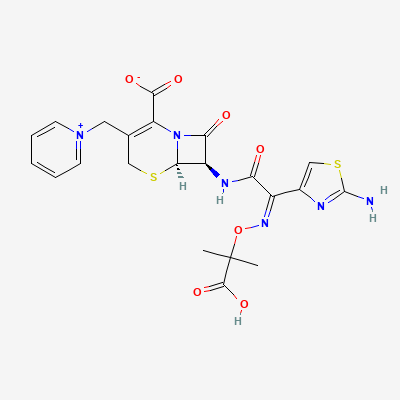
Ceftazidime is a third-generation cephalosporin antibiotic that inhibits bacterial cell wall synthesis by binding to penicillin-binding proteins (PBPs), primarily PBP-1 and PBP-3. This binding prevents cross-linking of peptidoglycan chains in the bacterial cell wall, leading to osmotic lysis of the bacterial cell. Ceftazidime is distinguished from other third-generation cephalosporins by its enhanced activity against Pseudomonas aeruginosa due to its unique C-7 side chain (pyridinium group) that confers stability against beta-lactamases produced by this organism.
FDA PLLR: Animal studies showed no teratogenicity. Limited human data. Crosses placenta. Generally considered safe in pregnancy (Category B old system).
Excreted in breast milk in low concentrations. Compatible with breastfeeding per AAP. Monitor infant for diarrhea or candidiasis.
Shared side chain
Avoid if severe ceftazidime allergy
Source: Kimi deep-research + Cla
Synergistic antibacterial activity against Pseudomonas and other gram-negative organisms. Both are nephrotoxic; combined use may increase renal risk.
Monitor renal function daily. Ensure adequate hydration. Synergistic combination is standard for Pseudomonal infections. Consider TDM for aminoglycoside.
Source: Kimi deep-research + Cla
Pharmacodynamic antagonism — chloramphenicol is bacteriostatic while ceftazidime is bactericidal. Concurrent use may reduce bactericidal efficacy.
Avoid concurrent use if possible. If both needed, separate by several hours and monitor clinical response.
Source: Kimi deep-research + Cla
High-dose loop diuretics may increase nephrotoxicity risk when combined with cephalosporins, though less than with aminoglycosides.
Monitor renal function. Ensure adequate hydration. Use lowest effective diuretic dose.
Source: Kimi deep-research + Cla
Probenecid competitively inhibits renal tubular secretion of ceftazidime, increasing plasma concentrations and prolonging half-life.
May be used therapeutically to prolong ceftazidime exposure. No routine dose adjustment needed.
Source: Kimi deep-research + Cla
Ceftazidime may reduce vitamin K synthesis by gut flora and/or affect platelet function, potentiating warfarin's anticoagulant effect.
Monitor INR closely (every 2-3 days) when starting or stopping ceftazidime. Anticipate warfarin dose adjustment.
Source: Kimi deep-research + Cla
6 additional unreviewed or low-confidence interactions hidden because their provenance or source detail is insufficient.
Continue into a citation-backed clinical answer with the drug context already attached.
Textbook-sourced·Sources: KD Tripathi 7e, Goodman & Gilman 14e, Harrison 22e, Katzung·Updated: 2026-05-18·Cockpit curated: 2026-05-18