Precipitation of ceftriaxone-calcium particulate.
Concomitant use is contraindicated in neonates (<28 days). For infants >28 days, can be given sequentially and lines thoroughly flushed or infused via separate lines.
Source: Harrison 22e · p1172
Cephalosporin · Antibiotic
Also known as Ceftriaxone Sodium, Rocephin

KDIGO 2024 + manufacturer label
2,957 branded formulations and 3,116 fixed-dose combinations. Look up specific brands in the Drugs workspace.
Jan Aushadhi — generic available at GoI pharmacies
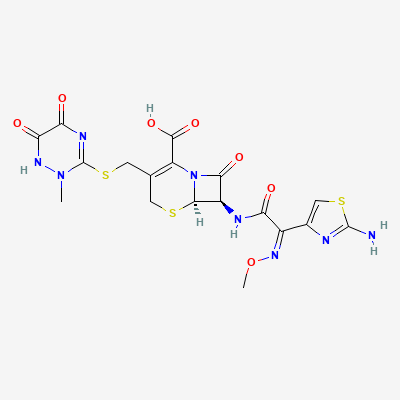
Ceftriaxone is a bactericidal antibiotic that inhibits bacterial cell wall synthesis by binding to penicillin-binding proteins (PBPs). This binding prevents the cross-linking of peptidoglycan chains, which are essential components of bacterial cell walls, leading to cell lysis and death. Its broad spectrum covers many Gram-positive and Gram-negative bacteria.
Category B — safe in pregnancy
Excreted in low concentrations in breast milk. Generally considered safe, but monitor infant for potential adverse effects (e.g., diarrhea, candidiasis, allergic reaction). Use with caution, especially in premature infants or those with compromised renal/hepatic function.
Precipitation of ceftriaxone-calcium particulate.
Concomitant use is contraindicated in neonates (<28 days). For infants >28 days, can be given sequentially and lines thoroughly flushed or infused via separate lines.
Source: Harrison 22e · p1172
Fatal ceftriaxone-calcium precipitates in lungs and kidneys, especially in neonates. Can occur even with separate infusion lines if administered sequentially without adequate flush.
Ceftriaxone is contraindicated in neonates (≤28 days) if they require or are expected to require IV calcium-containing solutions. In patients older than 28 days, ceftriaxone and calcium-containing solutions should not be co-administered simultaneously or within 48 hours of each other, even via different infusion lines. If sequential administration is unavoidable, flush the line thoroughly with a compatible fluid between administrations.
Increased bleeding risk.
Monitor INR and reduce anticoagulant dose
Source: KDT 7e · p948
Potential for causing jaundice in neonates.
Cefotaxime is the preferred agent in this patient population.
Source: G&G 14e · p1158
Drug interaction classified as: others.
Source: DDInter
Drug interaction classified as: others
Source: DDInter
Drug interaction classified as: others.
Source: DDInter
Drug interaction classified as: others
Source: DDInter
Drug interaction classified as: others.
Source: DDInter
Drug interaction classified as: others
Source: DDInter
Drug interaction classified as: others
Source: DDInter
Reduced antibacterial efficacy.
Avoid concurrent use
Source: KDT 7e · p949
Continue into a citation-backed clinical answer with the drug context already attached.
Sources: KD Tripathi 7e, Goodman & Gilman 14e, Harrison 22e, Katzung·Verified: 2026-05-16 · House clinical team·Cockpit curated: 2026-05-16