Drug lookup
Drug reference

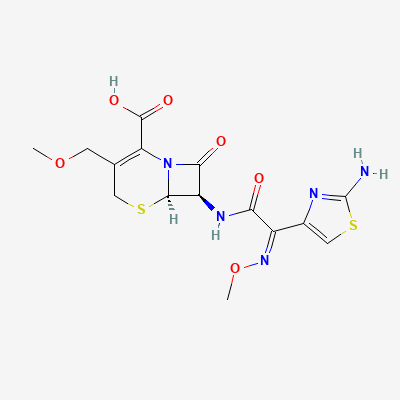
Cefpodoxime

Cephalosporin · Antibiotic

Also known as Cefpodoxime Proxetil
START
100-200 mg PO BID (with food for optimal absorption)
TYPICAL MAX
200 mg/dose; 400 mg/day (standard); up to 400 mg BID for severe infections
STOP IF
Severe hypersensitivity (anaphylaxis, SJS/TEN), CDAD with severe colitis, seizure (especially if renal impairment)
WATCH
Renal function (adjust if CrCl <30), signs of C. difficile diarrhea, INR if on warfarin, carbamazepine levels if concurrent use
CDSCO approvedSchedule HJan AushadhiATC J01DD13
Dose laddermg/d
100start200titrate400ceiling
Renal dose adjustmenteGFR mL/min/1.73m²
FULLFull dose: 100-200 mg every 12 hours30REDUCE50% usual dose every 12 hours OR usu…90

KDIGO 2024 + manufacturer label

Pharmacokineticsplasma · t hours
1hONSET2.5hPEAK2.5h12hDURATION
ONSET
1h · 1-2 h (therapeutic concentrations)
PEAK
2.5h · 2-3 h (Cmax after oral)
2.5h · 2-3 h (normal); ~10 h (CrCl <30)
DURATION
12h · 12 h (BID dosing)
EXCRETION
~80-90% renal unchanged · minimal hepatic metabolism
route + CYP
INTERACTIONS
none in our sources
PREGNANCY
Limited human data; no evidence of fetal harm in animal studies. Use only if clearly needed and potential benefits outweigh potential risks. Like other cephalosporins, generally considered compatible with pregnancy when indicated.
FDA category + note
Available in India

4,248 branded formulations and 1,645 fixed-dose combinations. Look up specific brands in the Drugs workspace.

Jan Aushadhi — generic available at GoI pharmacies

Mechanism

Cefpodoxime is a bactericidal third-generation cephalosporin antibiotic. Its active form, cefpodoxime, inhibits bacterial cell wall synthesis by binding to penicillin-binding proteins (PBPs), primarily PBP-3. This binding disrupts peptidoglycan cross-linkage, leading to a defective cell wall, osmotic instability, and subsequent bacterial lysis. Cefpodoxime proxetil is an oral prodrug that is hydrolyzed by non-specific esterases in the intestinal wall to release the active drug. It is stable against many beta-lactamases and has a broad spectrum of activity against Gram-positive and Gram-negative bacteria.

Indications

Acute bacterial exacerbation of chronic bronchitisCommunity-acquired pneumoniaAcute otitis mediaPharyngitis and tonsillitisUncomplicated skin and skin structure infectionsAcute maxillary sinusitisUncomplicated urinary tract infections (cystitis)Uncomplicated gonorrhea (cervical and urethral)Acute, uncomplicated ano-rectal infections in women due to Neisseria gonorrhoeae

Dosing

Adult
Oral: Most infections: 200 mg every 12 hours for 10-14 days. Pharyngitis/tonsillitis, uncomplicated UTIs: 100 mg every 12 hours for 5-10 days. Uncomplicated gonorrhea: 200 mg as a single dose. Community-acquired pneumonia: 200 mg every 12 hours for 14 days.
Pediatric
Oral (suspension/tablet, typically >2 months): Acute otitis media: 10 mg/kg/day in 2 divided doses (max 200 mg/dose) for 5-10 days. Pharyngitis/tonsillitis: 10 mg/kg/day in 2 divided doses (max 100 mg/dose) for 5-10 days. Skin infections: 10 mg/kg/day in 2 divided doses (max 200 mg/dose) for 10 days.
Renal adjustment
CrCl 30-49 mL/min: Administer usual dose every 12 hours (no adjustment for most infections). CrCl <30 mL/min: Administer 50% of usual dose every 12 hours or administer usual dose every 24 hours. Hemodialysis: Administer 100-200 mg (depending on infection severity) after dialysis, then every 24 hours.
Hepatic adjustment
No dosage adjustment is generally required for patients with hepatic impairment. Cefpodoxime is minimally metabolized by the liver.
Geriatric
No specific dosage adjustment based solely on age, but monitor renal function and adjust dose as per renal impairment guidelines if CrCl <30 mL/min.
Max dose
200 mg/dose; 400 mg/day (standard infections). Higher doses (up to 400 mg BID) may be used for severe infections per clinical judgment.

Pharmacokinetics

Onset
Therapeutic plasma concentrations reached within 1-2 hours after oral administration of proxetil prodrug.
Peak effect
2-3 hours after oral dose (Cmax of cefpodoxime after hydrolysis of proxetil prodrug).
Duration
Approximately 12 hours (supports BID dosing).
Half-life
2.0-3.0 hours in adults with normal renal function; prolonged in renal impairment (to ~10 hours when CrCl <30 mL/min).
Bioavailability
Approximately 50% when administered with food (food increases absorption); ~29% fasting. Optimal absorption occurs when taken with food.
Protein binding
18-23% (primarily to albumin).
Metabolism
Cefpodoxime proxetil is an inactive prodrug hydrolyzed by non-specific esterases in the intestinal mucosa to active cefpodoxime. Cefpodoxime itself undergoes negligible hepatic metabolism (<5%).
Excretion
Primarily renal: 80-90% excreted unchanged in urine within 24 hours via glomerular filtration and active tubular secretion. Fecal excretion accounts for the remainder.

Contraindications

  • Hypersensitivity to cefpodoxime, other cephalosporins, or any component of the formulation
  • History of severe hypersensitivity reaction (e.g., anaphylaxis) to any beta-lactam antibiotic (penicillins, cephalosporins, carbapenems) due to potential cross-reactivity

Side effects

Common
Diarrhea (7-10%, dose-related: 5.7% at 200 mg/day to 10.4% at 800 mg/day)Nausea (3.3%)VomitingAbdominal pain (1.2%)DyspepsiaHeadache (1%)RashVulvovaginal fungal infections (1.3%)Candidiasis (oral/vaginal)
Serious
  • Clostridioides difficile-associated diarrhea (CDAD) ranging from mild diarrhea to fatal colitis
  • Severe hypersensitivity reactions including anaphylaxis, Stevens-Johnson syndrome, toxic epidermal necrolysis
  • Seizures (especially in patients with renal impairment receiving unadjusted doses)
  • Interstitial nephritis
  • Hemolytic anemia, thrombocytopenia, leukopenia
  • Hepatotoxicity (elevated transaminases, cholestasis)
  • Serum sickness-like reactions

Pregnancy & lactation

Pregnancy

Limited human data; no evidence of fetal harm in animal studies. Use only if clearly needed and potential benefits outweigh potential risks. Like other cephalosporins, generally considered compatible with pregnancy when indicated.

Lactation

Cefpodoxime is excreted in human breast milk in small quantities (0.5-1.5% of maternal dose). Generally considered compatible with breastfeeding, but monitor infant for potential adverse effects on gut flora (e.g., diarrhea, candidiasis). Discontinue nursing or drug if infant develops significant diarrhea.

Drug interactions

Azithromycin
Moderate
Textbook-cited

Reduced antibacterial efficacy.

Avoid concurrent use

Source: KDT 7e · p949

Chloramphenicol
Moderate
Textbook-cited

Reduced antibacterial efficacy

Avoid concurrent use

Source: KDT 7e · p949

Clarithromycin
Moderate
Textbook-cited

Reduced antibacterial efficacy

Avoid concurrent use

Source: KDT 7e · p949

Clindamycin
Moderate
Textbook-cited

Reduced antibacterial efficacy

Avoid concurrent use

Source: KDT 7e · p949

Doxycycline
Moderate
Textbook-cited

Reduced antibacterial efficacy.

Avoid concurrent use

Source: KDT 7e · p949

Erythromycin
Moderate
Textbook-cited

Reduced antibacterial efficacy

Avoid concurrent use

Source: KDT 7e · p949

Minocycline
Moderate
Textbook-cited

Reduced antibacterial efficacy

Avoid concurrent use

Source: KDT 7e · p949

Tetracycline
Moderate
Textbook-cited

Reduced antibacterial efficacy

Avoid concurrent use

Source: KDT 7e · p949

Aminoglycosides
Moderate
Database

Additive nephrotoxicity due to combined renal tubular damage. Concurrent use may increase risk of acute kidney injury, especially in patients with pre-existing renal impairment, dehydration, or elderly patients.

Monitor serum creatinine and urine output closely if combination is necessary. Avoid prolonged concurrent use. Ensure adequate hydration. Consider alternative antibiotic if patient has CrCl <60 mL/min.

Source: Kimi deep-research + Cla

Antacids
Moderate
Database

Increased gastric pH from H2 blockers and PPIs may reduce absorption of cefpodoxime proxetil. However, this interaction is less significant than with ketoconazole. Antacids containing aluminum/magnesium may chelate cefpodoxime.

Take cefpodoxime at least 2 hours before antacids. H2 blockers and PPIs: separate by at least 2 hours if possible. Food increases cefpodoxime absorption, so administer with meals.

Source: Kimi deep-research + Cla

Live Bacterial Vaccines
Moderate
Database

Cefpodoxime may reduce the efficacy of live bacterial vaccines by exerting antibacterial activity against the vaccine organisms, reducing the immune response.

Avoid live bacterial vaccines during cefpodoxime therapy and for at least 72 hours after completion. Use inactivated vaccines instead where available.

Source: Kimi deep-research + Cla

Probenecid
Moderate
Database

Probenecid competitively inhibits active tubular secretion of cefpodoxime in the kidneys, reducing its renal clearance by approximately 50% and increasing plasma concentrations and AUC.

Monitor for increased cefpodoxime adverse effects (diarrhea, nausea). Therapeutic drug monitoring not routinely needed. Consider cefpodoxime dose reduction if toxicity suspected. Probenecid may be co-prescribed therapeutically to increase cefpodoxime levels in resistant infections.

Source: Kimi deep-research + Cla · p948

Related guidelines

Other Cephalosporin drugs

Ask House about Cefpodoxime

Continue into a citation-backed clinical answer with the drug context already attached.

Sources: KD Tripathi 7e, Goodman & Gilman 14e, Harrison 22e, Katzung·Verified: 2026-05-18 · House clinical team·Cockpit curated: 2026-05-18