Azithromycin
Moderate
Textbook-cited
Reduced antibacterial efficacy.
Avoid concurrent use
Source: KDT 7e · p949
Cephalosporin · Antibiotic
Also known as Cefuroxime axetil, Cefuroxime sodium
KDIGO 2024 + manufacturer label
2,720 branded formulations and 457 fixed-dose combinations. Look up specific brands in the Drugs workspace.
Jan Aushadhi — generic available at GoI pharmacies
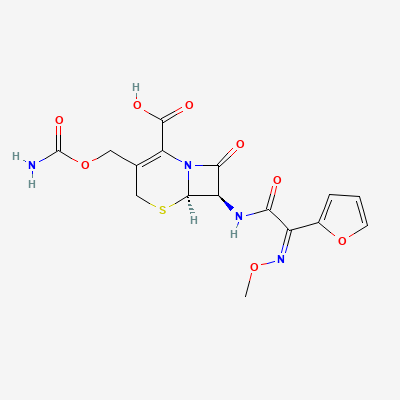
Cefuroxime is a bactericidal second-generation cephalosporin antibiotic that inhibits bacterial cell wall synthesis by binding to penicillin-binding proteins (PBPs), primarily PBP3. This binding prevents transpeptidation of peptidoglycan chains, resulting in defective cell wall structure, osmotic instability, and bacterial lysis. It is stable against many beta-lactamases produced by Gram-negative bacteria and has activity against both Gram-positive and Gram-negative organisms, including beta-lactamase-producing strains of Haemophilus influenzae and Neisseria gonorrhoeae.
Limited human data; no evidence of fetal harm in animal studies. Use only if clearly needed and benefits outweigh potential risks. Like other cephalosporins, generally considered compatible with pregnancy when indicated.
Cefuroxime is excreted in breast milk in small amounts (estimated 3-5% of maternal serum concentration). Generally considered compatible with breastfeeding. Monitor breastfed infants for potential alterations in gut flora (diarrhea, candidiasis) or allergic reactions.
Reduced antibacterial efficacy.
Avoid concurrent use
Source: KDT 7e · p949
Reduced antibacterial efficacy
Avoid concurrent use
Source: KDT 7e · p949
Reduced antibacterial efficacy.
Avoid concurrent use
Source: KDT 7e · p949
Reduced antibacterial efficacy.
Avoid concurrent use
Source: KDT 7e · p949
Reduced antibacterial efficacy.
Avoid concurrent use
Source: KDT 7e · p949
Reduced antibacterial efficacy.
Avoid concurrent use
Source: KDT 7e · p949
Reduced antibacterial efficacy
Avoid concurrent use
Source: KDT 7e · p949
Reduced antibacterial efficacy
Avoid concurrent use
Source: KDT 7e · p949
Additive nephrotoxicity due to combined renal tubular damage from both drug classes. Concurrent use increases risk of acute kidney injury, especially in elderly, dehydrated, or renally impaired patients.
Monitor serum creatinine and urine output closely if combination is necessary. Avoid prolonged concurrent use. Ensure adequate hydration. Consider alternative if CrCl <60 mL/min.
Source: Kimi deep-research + Cla
Increased gastric pH from H2 blockers may reduce absorption of cefuroxime axetil (the prodrug requires acidic environment for optimal absorption). However, this interaction is less significant than with ketoconazole. Antacids may also chelate cefuroxime.
Take cefuroxime axetil with food (which enhances absorption) and separate from antacids by at least 2 hours. If H2 blocker is needed, consider taking cefuroxime at least 2 hours before H2 blocker.
Source: Kimi deep-research + Cla
Cephalosporins may reduce the efficacy of oral contraceptives by altering gut flora responsible for estrogen recirculation (enterohepatic circulation), potentially leading to contraceptive failure. Evidence is limited but clinically significant cases have been reported.
Advise patient to use additional non-hormonal contraceptive methods (e.g., condoms) during cefuroxime therapy and for 7 days after completion. Consider progestin-only backup.
Source: Kimi deep-research + Cla
Probenecid competitively inhibits active tubular secretion of cefuroxime in the kidneys, reducing renal clearance by approximately 40% and increasing plasma concentrations and AUC.
Monitor for increased cefuroxime adverse effects. Therapeutic drug monitoring not routinely needed. Consider dose reduction if toxicity suspected. Probenecid may be used therapeutically to increase cefuroxime levels in resistant infections.
Source: Kimi deep-research + Cla · p948
Continue into a citation-backed clinical answer with the drug context already attached.
Textbook-sourced·Sources: KD Tripathi 7e, Goodman & Gilman 14e, Harrison 22e, Katzung·Updated: 2026-05-18·Cockpit curated: 2026-05-18