Drug lookup
Drug reference

Escitalopram

SSRI · Antidepressant

Also known as Escitalopram oxalate, S-citalopram
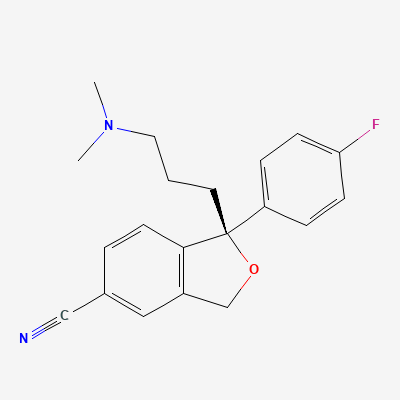
START
5-10 mg PO once daily
TYPICAL MAX
20 mg/day
STOP IF
MAOI within 14 days · linezolid · pimozide · QTc >500 ms
WATCH
Mood (<25y suicidality black-box) · QTc · Na⁺ (SIADH in elderly) · bleeding risk
CDSCO approvedSchedule HJan AushadhiATC N06AB10
Dose laddermg/d
5start10standard start15intermediate20max
Renal dose adjustmenteGFR mL/min/1.73m²
FULLStandard dose30CAUTIONUse with caution; start 5 mg90

KDIGO 2024 + manufacturer label

Pharmacokineticsplasma · t hours
2wONSET5hPEAK1.3d1dDURATION
ONSET
2w · clinical response at 2-4 weeks
PEAK
5h · Cmax
1.3d · plasma t½
DURATION
1d · once-daily dosing window
EXCRETION
CYP2C19 + CYP3A4 hepatic · renal metabolites
route + CYP
INTERACTIONS
12 major
incl. contraindicated
PREGNANCY
Category C — sertraline preferred in pregnancy
FDA category + note
Top interactionssee all 12
  • LinezolidContraindicatedDatabaseDDInter
  • AbarelixSevereDatabaseDDInter
  • AbirateroneSevereDatabaseDDInter
  • AdenosineSevereDatabaseDDInter
Available in India

674 branded formulations and 739 fixed-dose combinations. Look up specific brands in the Drugs workspace.

Jan Aushadhi — generic available at GoI pharmacies

Mechanism

Escitalopram is a potent and highly selective selective serotonin reuptake inhibitor (SSRI). It inhibits the reuptake of serotonin (5-HT) at the presynaptic neuronal membrane, leading to an increase in the concentration of serotonin in the synaptic cleft. This potentiation of serotonergic neurotransmission is believed to be the primary mechanism responsible for its antidepressant and anxiolytic effects.

Indications

Major Depressive Disorder (MDD)Generalized Anxiety Disorder (GAD)Panic Disorder (PD) with or without agoraphobiaSocial Anxiety Disorder (SAD) / Social PhobiaObsessive-Compulsive Disorder (OCD) (off-label)Premenstrual Dysphoric Disorder (PMDD) (off-label)AntidepressantAnxietyPanic disorderObsessive-compulsive disorderFibromyalgiaNeuropathic painmajor depressiongeneralized anxietysocial anxietyPTSDpremenstrual dysphoric syndromepreventing vasovagal symptoms in postmenopausal womendepression

Dosing

Adult
Initial: 10 mg orally once daily. May increase to 20 mg once daily after at least one week based on clinical response. For panic disorder, an initial dose of 5 mg once daily for the first week, then 10 mg once daily, may be considered to mitigate initial anxiety.
Pediatric
Not generally recommended for patients <12 years. For adolescents (12-17 years) with MDD: 10 mg orally once daily; maximum 20 mg/day.
Renal adjustment
Mild to moderate impairment (CrCl >30 mL/min): No adjustment needed. Severe impairment (CrCl <30 mL/min): Use with caution; consider lower doses or extended intervals.
Hepatic adjustment
Mild to moderate impairment (Child-Pugh A or B): Max 10 mg/day. Severe impairment (Child-Pugh C): Not recommended.
Geriatric
Initial: 5 mg orally once daily. Maximum 10 mg/day due to increased sensitivity and slower metabolism.
Max dose
20 mg/day for adults; 10 mg/day for geriatric patients and those with moderate hepatic impairment.

Pharmacokinetics

Onset
Antidepressant effects typically begin within 1-2 weeks, full effect may take 4-6 weeks. Anxiolytic effects may be noticed earlier.
Peak effect
Plasma concentration: ~5 hours
Duration
Not specified, but effects are sustained with daily dosing.
Half-life
Approximately 27-32 hours (for escitalopram and its primary metabolite)
Bioavailability
Approximately 80%
Protein binding
Approximately 56%
Metabolism
Primarily hepatic, via CYP2C19, CYP3A4, and CYP2D6 to inactive or weakly active metabolites (S-demethylcitalopram and S-didesmethylcitalopram).
Excretion
Renal (approximately 8% as unchanged drug, remainder as metabolites).

Contraindications

  • Hypersensitivity to escitalopram or citalopram
  • Concomitant use with MAOIs (risk of serotonin syndrome)
  • Concomitant use with pimozide (risk of QTc prolongation)
  • Congenital long QT syndrome or other conditions predisposing to QT prolongation
  • Concurrent use with other drugs that prolong the QT interval

Side effects

Common
NauseaInsomniaDiarrheaDry mouthSomnolenceIncreased sweatingFatigueDizzinessSexual dysfunction (ejaculation disorder, anorgasmia, decreased libido)Sexual dysfunctionincreased anxietyirritabilitydecreased libidoerectile dysfunctionanorgasmiaejaculatory delayemesisdullness of intellectual abilitiesconcentration issues
Serious
  • Serotonin syndrome
  • Suicidal thoughts and behavior (especially in young adults/adolescents)
  • Seizures
  • QTc prolongation
  • Hyponatremia (SIADH)
  • Abnormal bleeding
  • Angle-closure glaucoma
  • Manic episodes (in patients with undiagnosed bipolar disorder)
  • serotonin syndrome (with MAOIs)
  • suicidal ideation or behavior (black-box warning in children and adolescents)
  • discontinuation syndrome
  • persistent pulmonary hypertension in newborns

Pregnancy & lactation

Pregnancy

Category C — sertraline preferred in pregnancy

Lactation

Escitalopram is excreted into breast milk. Potential for adverse effects in breastfed infants (e.g., somnolence, decreased feeding, weight loss). Use with caution; monitor infant closely or consider alternative.

Drug interactions

Linezolid
Contraindicated
Database

Serotonin syndrome risk.

Contraindicated. Use alternative antibiotic.

Source: DDInter

Abarelix
Severe
Database

Drug interaction classified as: synergy

Source: DDInter

Abiraterone
Severe
Database

Drug interaction classified as: synergy

Source: DDInter

Adenosine
Severe
Database

Drug interaction classified as: synergy

Source: DDInter

Alfentanil
Severe
Database

Drug interaction classified as: synergy

Source: DDInter

Alimemazine
Severe
Database

Drug interaction classified as: synergy

Source: DDInter

Amiodarone
Severe
Database

Drug interaction classified as: synergy.

Source: DDInter

Amphetamine
Severe
Database

Drug interaction classified as: synergy.

Source: DDInter

Anagrelide
Severe
Database

Drug interaction classified as: synergy

Source: DDInter

Apalutamide
Severe
Database

Drug interaction classified as: synergy

Source: DDInter

Apomorphine
Severe
Database

Drug interaction classified as: synergy

Source: DDInter

Arsenic Trioxide
Severe
Database

Drug interaction classified as: synergy

Source: DDInter

Related guidelines

Other SSRI drugs

Ask House about Escitalopram

Continue into a citation-backed clinical answer with the drug context already attached.

Sources: Goodman & Gilman 14e, Harrison 22e, Katzung, BNF·Verified: 2026-05-16 · House clinical team·Cockpit curated: 2026-05-16