Drug lookup
Drug reference

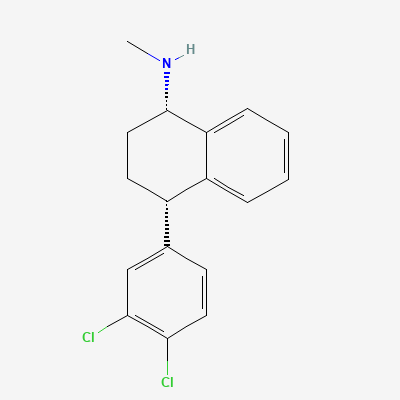
Sertraline

SSRI · Antidepressant

Also known as Sertraline hydrochloride, Zoloft, Lustral, Seralin
START
25-50 mg PO once daily; titrate weekly
TYPICAL MAX
200 mg/day
STOP IF
MAOI within 14 days · linezolid · pimozide · serotonin syndrome
WATCH
Mood (esp. <25y suicidality black-box) · bleeding risk (NSAIDs) · QTc at high dose · GI symptoms
CDSCO approvedSchedule HJan AushadhiNPPA price-controlledATC N06AB06
Dose laddermg/d
25start50depression start100moderate150high200max
Renal dose adjustmenteGFR mL/min/1.73m²
FULLNo renal adjustment (hepatic clearance)90

KDIGO 2024 + manufacturer label

Pharmacokineticsplasma · t hours
2wONSET6hPEAK1.1d1dDURATION
ONSET
2w · clinical response at 2-4 weeks
PEAK
6h · Cmax
1.1d · plasma t½ (active metabolite 62-104h)
DURATION
1d · once-daily dosing window
EXCRETION
Hepatic CYP2B6/3A4 → active metabolite · biliary/renal
route + CYP
INTERACTIONS
12 major
incl. contraindicated
PREGNANCY
Category C — most reproductive safety data; preferred SSRI in pregnancy
FDA category + note
Top interactionssee all 12
  • LinezolidContraindicatedDatabaseDDInter
  • Monoamine Oxidase Inhibitors (maois) (e.g., Phenelzine, Tranylcypromine, Selegiline, Linezolid, Methylene Blue)ContraindicatedDatabase
  • PhenelzineContraindicatedDatabaseDDInter
  • PimozideContraindicatedDatabaseDDInter
Available in India

327 branded formulations and 60 fixed-dose combinations. Look up specific brands in the Drugs workspace.

Jan Aushadhi — generic available at GoI pharmacies

Mechanism

Sertraline selectively inhibits the reuptake of serotonin (5-hydroxytryptamine, 5-HT) into presynaptic neurons in the central nervous system. This action leads to an increased concentration of serotonin in the synaptic cleft, enhancing serotonergic neurotransmission. Chronic administration results in downstream adaptive changes, including desensitization of postsynaptic serotonin receptors, contributing to its therapeutic effects.

Indications

Major Depressive Disorder (MDD)Obsessive-Compulsive Disorder (OCD)Panic DisorderPost-traumatic Stress Disorder (PTSD)Social Anxiety Disorder (SAD)Premenstrual Dysphoric Disorder (PMDD)Generalized Anxiety Disorder (GAD) (off-label)Major depressive disorderObsessive-compulsive disorderGeneralized anxiety disorderFibromyalgiaNeuropathic painAnxietymajor depressiongeneralized anxietysocial anxietyPTSDpremenstrual dysphoric syndromepreventing vasovagal symptoms in postmenopausal womenDepression in cancer patients

Dosing

Adult
Oral: For Major Depressive Disorder or OCD, initiate at 50 mg once daily. For Panic Disorder, PTSD, or Social Anxiety Disorder, initiate at 25 mg once daily for one week, then increase to 50 mg once daily. Doses may be increased in 25-50 mg increments at weekly intervals, based on clinical response and tolerability, up to a maximum of 200 mg once daily.…
Pediatric
Oral: For OCD in children 6-12 years, initiate at 25 mg once daily, titrate to 50 mg after one week, then up to 200 mg once daily as tolerated. For OCD in adolescents 13-17 years, initiate at 50 mg once daily, titrate up to 200 mg once daily as tolerated.
Renal adjustment
No dose adjustment is required for renal impairment, including severe impairment or end-stage renal disease. Clinical monitoring for adverse effects is advised for patients with severe renal impairment (eGFR <30 mL/min). Sertraline is not removed by dialysis.
Max dose
200 mg/day

Pharmacokinetics

Onset
Initial anxiolytic effects may be seen within 1 week. Antidepressant effects typically begin within 2-4 weeks, with full effect potentially taking up to 8-12 weeks for some conditions like OCD.
Peak effect
Plasma concentration (Cmax): 4.5-8.4 hours (single dose). Steady-state plasma concentrations are achieved within approximately 7 days with once-daily dosing.
Duration
Duration of antidepressant effects is sustained with daily dosing, related to half-life and steady-state concentrations.
Half-life
Parent drug: Approximately 26 hours. Active metabolite (N-desmethylsertraline): 62-104 hours.
Bioavailability
Approximately 44% (due to extensive first-pass metabolism)
Protein binding
Approximately 98%
Metabolism
Extensive hepatic metabolism, primarily via multiple cytochrome P450 (CYP) isoenzymes, including CYP2D6, CYP2C19, CYP3A4, CYP2B6, and CYP2C9, to the weakly active N-desmethylsertraline and then to inactive metabolites.
Excretion
Primarily renal and fecal excretion, mainly as metabolites (40-45% in urine, 40-45% in feces). Less than 0.2% excreted unchanged in urine.

Contraindications

  • Concomitant use with Monoamine Oxidase Inhibitors (MAOIs) or within 14 days of discontinuing an MAOI (risk of serotonin syndrome)
  • Concomitant use with pimozide
  • Known hypersensitivity to sertraline or any excipients
  • Uncontrolled narrow-angle glaucoma

Side effects

Common
NauseaDiarrheaInsomniaSomnolenceHeadacheDizzinessDry mouthFatigueTremorIncreased sweatingSexual dysfunction (e.g., ejaculatory delay, anorgasmia)Anorexia/Weight lossSexual dysfunctionincreased anxietyirritabilitydecreased libidoerectile dysfunctionanorgasmiaejaculatory delayemesisdullness of intellectual abilitiesconcentration issues
Serious
  • Serotonin syndrome (agitation, hallucinations, tachycardia, hyperthermia, incoordination)
  • Suicidal ideation and behavior (especially in children, adolescents, and young adults)
  • Hyponatremia (Syndrome of Inappropriate Antidiuretic Hormone secretion - SIADH)
  • Seizures
  • Abnormal bleeding (e.g., gastrointestinal hemorrhage)
  • QTc prolongation and Torsade de Pointes (rare)
  • Activation of mania/hypomania
  • Angle-closure glaucoma
  • Serotonin syndrome
  • serotonin syndrome (with MAOIs)
  • suicidal ideation or behavior (black-box warning in children and adolescents)
  • discontinuation syndrome
  • persistent pulmonary hypertension in newborns

Pregnancy & lactation

Pregnancy

Category C — most reproductive safety data; preferred SSRI in pregnancy

Lactation

Sertraline is excreted into breast milk in small amounts. It is generally considered compatible with breastfeeding, especially at lower doses, but caution is advised. Monitor breastfed infants for potential adverse effects such as sedation, irritability, poor feeding, or changes in weight gain. Consult a physician before use during lactation.

Drug interactions

Linezolid
Contraindicated
Database

Serotonin syndrome: hyperthermia, rigidity, myoclonus, mental status changes.

Do not combine. Stop SSRI 2 weeks before linezolid or use alternative antibiotic.

Source: DDInter

Monoamine Oxidase Inhibitors (maois) (e.g., Phenelzine, Tranylcypromine, Selegiline, Linezolid, Methylene Blue)
Contraindicated
Database

Serotonin syndrome (hyperthermia, rigidity, myoclonus, autonomic instability, mental status changes)

Sertraline is contraindicated with MAOIs. A washout period of at least 14 days is required between discontinuing an MAOI and starting sertraline, and at least 14 days between discontinuing sertraline and starting an MAOI.

Phenelzine
Contraindicated
Database

Serotonin syndrome: agitation, hyperthermia, rigidity, seizures, potentially fatal

Contraindicated. Allow 14-day washout between SSRI and MAOI

Source: DDInter

Pimozide
Contraindicated
Database

Increased risk of QT prolongation and cardiac arrhythmias (e.g., Torsades de Pointes)

Concomitant use is contraindicated. Sertraline significantly increases pimozide exposure.

Source: DDInter

Aceclofenac + Paracetamol
Severe
Textbook

Increased risk of gastrointestinal bleed.

Monitor for bleeding; consider gastroprotective agents or alternative analgesics.

Source: KDT 7e

Aceclofenac
Severe
Textbook

Increased risk of gastrointestinal bleed.

Monitor for bleeding; consider gastroprotective agents or alternative analgesics.

Source: KDT 7e

Capsaicin
Severe
Textbook

Increased risk of gastrointestinal bleed.

Monitor for bleeding; consider gastroprotective agents or alternative analgesics.

Source: KDT 7e

Diclofenac + Paracetamol
Severe
Textbook

Increased risk of gastrointestinal bleed.

Monitor for bleeding; consider gastroprotective agents or alternative analgesics.

Source: KDT 7e

Etoricoxib
Severe
Textbook

Increased risk of gastrointestinal bleed.

Monitor for bleeding; consider gastroprotective agents or alternative analgesics.

Source: KDT 7e

Ibuprofen + Paracetamol
Severe
Textbook

Increased risk of gastrointestinal bleed.

Monitor for bleeding; consider gastroprotective agents or alternative analgesics.

Source: KDT 7e

Nepafenac
Severe
Textbook

Increased risk of gastrointestinal bleed.

Monitor for bleeding; consider gastroprotective agents or alternative analgesics.

Source: KDT 7e

Paracetamol + Caffeine + Phenylephrine
Severe
Textbook

Increased risk of gastrointestinal bleed.

Monitor for bleeding; consider gastroprotective agents or alternative analgesics.

Source: KDT 7e

Related guidelines

Other SSRI drugs

Ask House about Sertraline

Continue into a citation-backed clinical answer with the drug context already attached.

Sources: Goodman & Gilman 14e, Harrison 22e, Katzung, BNF·Verified: 2026-05-16 · House clinical team·Cockpit curated: 2026-05-16