Drug lookup
Drug reference

Fluoxetine

SSRI · Antidepressant

Also known as Fluoxetine Hydrochloride, Prozac
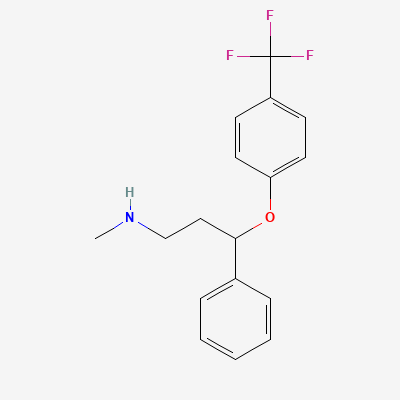
START
Screen for bipolar disorder (mania risk), suicidal ideation, serotonergic medications. Baseline electrolytes (especially sodium in elderly), LFTs. Start 20 mg daily (10 mg in elderly/anxious patients).
TYPICAL MAX
80 mg/day (adults); 40 mg/day (elderly). Doses >40 mg increase QT risk.
STOP IF
Serotonin syndrome, mania/hypomania, severe hyponatremia (Na+ <125), QTc >500, severe hepatotoxicity, pregnancy (taper, don't stop abruptly)
WATCH
Mood/suicidality (weekly x 4 weeks, then periodically), sodium (elderly — at 2 weeks), mania symptoms (in bipolar), sexual dysfunction, bleeding (if on anticoagulants), QTc if cardiac risk
CDSCO approvedJan AushadhiATC N06AB03
Dose laddermg/d
10start20titrate40titrate60titrate80max: 80 mg/day
Renal dose adjustmenteGFR mL/min/1.73m²
FULLNo adjustment required1590

KDIGO 2024 + manufacturer label

Pharmacokineticsplasma · t hours
1.8hONSET7hPEAK4d1dDURATION
ONSET
1.8h · absorption onset
PEAK
7h · 6-8 h (oral)
4d · 1-3 days (acute); 4-6 days (chronic); norfluoxetine 4-16 days
DURATION
1d · 24 h (once-daily dosing)
EXCRETION
~60% renal (metabolites); CYP2D6 primary; long-acting norfluoxetine metabolite
route + CYP
INTERACTIONS
12 major
incl. contraindicated
PREGNANCY
FDA PLLR: Third-trimester exposure associated with neonatal persistent pulmonary hypertension (PPHN), withdrawal symptoms, and serotonin syndrome in newborns. Use only if benefit clearly outweighs risk. Paroxetine is generally avoided in pregnancy (cardiac defects).
FDA category + note
Top interactionssee all 12
  • LinezolidContraindicatedDatabaseDDInter
  • Mao InhibitorsContraindicatedDatabaseKimi deep-research + Cla
  • Monoamine Oxidase Inhibitors (maois) (e.g., Phenelzine, Selegiline)ContraindicatedDatabase
  • PhenelzineContraindicatedDatabaseDDInter
Available in India

304 branded formulations and 156 fixed-dose combinations. Look up specific brands in the Drugs workspace.

Jan Aushadhi — generic available at GoI pharmacies

Mechanism

Fluoxetine is a selective serotonin reuptake inhibitor (SSRI) that potently and selectively blocks the serotonin transporter (SERT) on the presynaptic neuronal membrane, preventing reuptake of serotonin (5-HT) into the presynaptic neuron. This increases synaptic serotonin concentration and enhances serotonergic neurotransmission. With chronic administration (2-4 weeks), downstream adaptive changes occur including desensitization of 5-HT1A autoreceptors, which is thought to contribute to the delayed antidepressant effect. Fluoxetine also has weak inhibition of norepinephrine and dopamine reuptake at high doses. It is a potent inhibitor of CYP2D6 (Ki = 0.04-0.8 μM), which is responsible for many of its drug interactions.

Indications

Major depressive disorder (MDD)Obsessive-compulsive disorder (OCD)Panic disorderBulimia nervosaPremenstrual dysphoric disorder (PMDD — Sarafem)Bipolar depression (in combination with olanzapine — Symbyax)Treatment-resistant depression (with olanzapine — Symbyax)Generalized anxiety disorder (off-label)Post-traumatic stress disorder (PTSD — off-label)

Dosing

Adult
MDD: 20 mg PO daily initially; may increase after several weeks; max 80 mg/day. OCD: 20-60 mg/day; max 80 mg/day. Panic: 10 mg/day initially; target 20 mg/day; max 60 mg/day. Bulimia: 60 mg/day. PMDD: 20 mg/day continuously OR 20 mg/day starting 14 days before expected menses through first full day of menses (repeat each cycle).
Pediatric
MDD/OCD (8-18 years): 10-20 mg/day initially; max 60-80 mg/day depending on indication. <8 years: not recommended.
Renal adjustment
No adjustment required.
Hepatic adjustment
Start at low dose or use alternate-day dosing. Reduced clearance in hepatic impairment.
Geriatric
Start 10 mg/day; max 40 mg/day. Increased risk of hyponatremia (SIADH), falls, QT prolongation.
Max dose
80 mg/day (adults); 60 mg/day (elderly)

Pharmacokinetics

Onset
Antidepressant effect: 2-4 weeks. Some anxiety reduction may occur earlier.
Peak effect
Oral: peak plasma at 6-8 hours. Steady-state: 2-4 weeks (due to long half-life).
Duration
24 hours (once-daily dosing).
Half-life
Fluoxetine: 1-3 days (acute dosing); 4-6 days (chronic dosing). Norfluoxetine (active metabolite): 4-16 days. Combined effective half-life: ~1-3 weeks.
Bioavailability
~70% (oral). Food does not significantly affect absorption.
Protein binding
~94.5% (bound to albumin, alpha-1-acid glycoprotein, and lipoproteins).
Metabolism
Extensive hepatic via CYP2D6 (N-demethylation to norfluoxetine — active metabolite) and CYP2C9. Fluoxetine and norfluoxetine are both potent CYP2D6 inhibitors. CYP2D6 poor metabolizers have higher fluoxetine and lower norfluoxetine levels.
Excretion
Renal: ~60% (as metabolites including glucuronide conjugates). Fecal: ~8-9%. <2.5% excreted unchanged.

Contraindications

  • Hypersensitivity to fluoxetine
  • MAOI use within 14 days (or within 5 weeks of discontinuing fluoxetine before starting MAOI due to long half-life)
  • Pimozide (CYP2D6 substrate — fluoxetine increases pimozide levels causing QT prolongation)
  • Thioridazine (CYP2D6 substrate — fluoxetine increases thioridazine levels causing QT prolongation and cardiac arrhythmias)

Side effects

Common
Nausea, diarrheaInsomnia or somnolenceHeadacheSexual dysfunction (decreased libido, delayed ejaculation, anorgasmia — dose-related)Anxiety, nervousness (early treatment)Dry mouthAnorexia, weight loss (early); weight gain (chronic)SweatingTremor
Serious
  • Serotonin syndrome (with MAOIs, other serotonergic drugs)
  • Suicidal ideation (black box warning — age <24 years)
  • Mania/hypomania induction (in bipolar patients — screen before starting)
  • Hyponatremia/SIADH (especially elderly)
  • QT prolongation and arrhythmias (dose-related; risk increased >40 mg/day or in CYP2D6 poor metabolizers)
  • Severe allergic reactions (SJS, TEN, DRESS, anaphylaxis)
  • Hepatotoxicity (elevated transaminases, hepatitis)
  • Seizures (dose-dependent lowering of threshold)
  • Abnormal bleeding (SSRI-induced platelet dysfunction)
  • Discontinuation syndrome (dizziness, sensory disturbances, anxiety, irritability — despite long half-life)

Pregnancy & lactation

Pregnancy

FDA PLLR: Third-trimester exposure associated with neonatal persistent pulmonary hypertension (PPHN), withdrawal symptoms, and serotonin syndrome in newborns. Use only if benefit clearly outweighs risk. Paroxetine is generally avoided in pregnancy (cardiac defects).

Lactation

Excreted in breast milk (infant dose ~0.54-8.4% of maternal weight-adjusted dose). Generally compatible with breastfeeding per AAP due to long half-life and low infant exposure. Monitor infant for irritability, poor feeding, sleep disturbances.

Drug interactions

Linezolid
Contraindicated
Database

Serotonin syndrome risk.

Contraindicated. Fluoxetine has long half-life; allow 5 weeks washout.

Source: DDInter

Mao Inhibitors
Contraindicated
Database

MAOIs + fluoxetine = serotonin syndrome (hyperthermia, autonomic instability, altered mental status, neuromuscular abnormalities, death). Both increase serotonin availability through different mechanisms.

Do NOT start fluoxetine within 14 days of MAOI discontinuation. Do NOT start MAOI within 5 weeks of fluoxetine discontinuation (due to long half-life of fluoxetine and norfluoxetine).

Source: Kimi deep-research + Cla

Monoamine Oxidase Inhibitors (maois) (e.g., Phenelzine, Selegiline)
Contraindicated
Database

Severe, potentially fatal serotonin syndrome (hyperthermia, rigidity, myoclonus, autonomic instability, mental status changes).

CONTRAINDICATED. A washout period of at least 5 weeks is required after discontinuing fluoxetine before starting an MAOI. A washout period of at least 14 days is required after discontinuing an MAOI before starting fluoxetine.

Phenelzine
Contraindicated
Database

Serotonin syndrome: hyperthermia, rigidity, myoclonus, autonomic instability, potentially fatal

Contraindicated. Allow 5-week washout after fluoxetine before starting MAOI (long half-life of norfluoxetine)

Source: DDInter

Pimozide
Contraindicated
Database

Increased risk of QTc prolongation and ventricular arrhythmias.

CONTRAINDICATED. Do not co-administer. A washout period of at least 5 weeks is required after discontinuing fluoxetine before starting pimozide.

Source: DDInter

Thioridazine
Contraindicated
Database

Increased risk of QTc prolongation, ventricular arrhythmias (e.g., Torsades de Pointes), and sudden cardiac death.

CONTRAINDICATED. Do not co-administer. A washout period of at least 5 weeks is required after discontinuing fluoxetine before starting thioridazine.

Source: DDInter

Aceclofenac + Paracetamol
Severe
Textbook

Increased risk of gastrointestinal bleed.

Monitor for bleeding; consider gastroprotective agents or alternative analgesics.

Source: KDT 7e

Capsaicin
Severe
Textbook

Increased risk of gastrointestinal bleed.

Monitor for bleeding; consider gastroprotective agents or alternative analgesics.

Source: KDT 7e

Diclofenac + Paracetamol
Severe
Textbook

Increased risk of gastrointestinal bleed.

Monitor for bleeding; consider gastroprotective agents or alternative analgesics.

Source: KDT 7e

Etoricoxib
Severe
Textbook

Increased risk of gastrointestinal bleed.

Monitor for bleeding; consider gastroprotective agents or alternative analgesics.

Source: KDT 7e

Ibuprofen + Paracetamol
Severe
Textbook

Increased risk of gastrointestinal bleed.

Monitor for bleeding; consider gastroprotective agents or alternative analgesics.

Source: KDT 7e

Nepafenac
Severe
Textbook

Increased risk of gastrointestinal bleed.

Monitor for bleeding; consider gastroprotective agents or alternative analgesics.

Source: KDT 7e

Related guidelines

Other SSRI drugs

Ask House about Fluoxetine

Continue into a citation-backed clinical answer with the drug context already attached.

Sources: KD Tripathi 7e, Goodman & Gilman 14e, Harrison 22e, Katzung·Verified: 2026-05-18 · House clinical team·Cockpit curated: 2026-05-18