Alfentanil
Severe
Database
Drug interaction classified as: absorption.
Source: DDInter
Antiepileptic
Also known as Neurontin, Gabapin, Gralise, Horizant, Gabapentin Enacarbil
KDIGO 2024 + manufacturer label
259 branded formulations and 1,083 fixed-dose combinations. Look up specific brands in the Drugs workspace.
Jan Aushadhi — generic available at GoI pharmacies
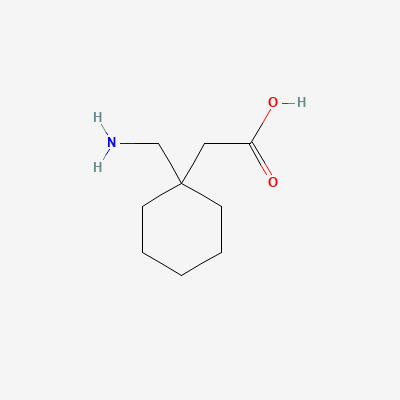
Gabapentin is a structural analog of gamma-aminobutyric acid (GABA) but does not bind to GABA-A or GABA-B receptors, nor does it influence GABA synthesis or metabolism. Its primary mechanism is binding with high affinity to the alpha-2-delta-1 (α2δ-1) auxiliary subunit of voltage-gated P/Q-type calcium channels in the central nervous system. This binding inhibits calcium influx and reduces the release of excitatory neurotransmitters (glutamate, norepinephrine, substance P) from presynaptic terminals, producing anticonvulsant, analgesic, and anxiolytic effects.
FDA PLLR: Limited human data. Animal studies showed developmental toxicity at high doses. May cause fetal harm. Use only if benefit outweighs risk. Pregnancy exposure registry available. Increased risk of cardiac defects with multiple administrations; late exposure linked to preterm birth and NICU admission.
Excreted in breast milk (infant serum levels ~10-15% of maternal). Generally considered compatible with breastfeeding. Monitor infant for drowsiness, poor feeding, adequate weight gain.
Drug interaction classified as: absorption.
Source: DDInter
Drug interaction classified as: synergy
Source: DDInter
Drug interaction classified as: synergy.
Source: DDInter
Drug interaction classified as: absorption.
Source: DDInter
Drug interaction classified as: absorption.
Source: DDInter
Clinical effect not specified
Source: DDInter
Clinical effect not specified
Source: DDInter
.
Source: DDInter
Drug interaction classified as: absorption.
Source: DDInter
Increased risk of respiratory depression, profound sedation, coma, and death. Increased gabapentin levels may exacerbate these effects.
Avoid concomitant use if possible. If co-administration is necessary, use the lowest effective doses and shortest duration possible. Monitor patients closely for signs of respiratory depression and sedation. Consider naloxone availability.
Source: DDInter
.
Source: DDInter
Clinical effect not specified
Source: DDInter
Continue into a citation-backed clinical answer with the drug context already attached.
Textbook-sourced·Sources: KD Tripathi 7e, Goodman & Gilman 14e, Harrison 22e, Katzung·Updated: 2026-05-18·Cockpit curated: 2026-05-18