Drug lookup
Drug reference

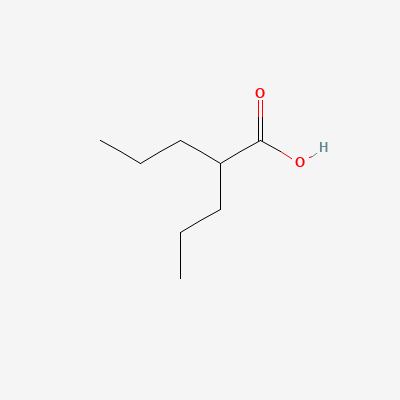
Valproic Acid

Antiepileptic

Also known as Sodium Valproate, Divalproex Sodium, Valproate Semisodium

START
Confirm seizure type or bipolar mania. Baseline CBC, LFTs, ammonia, pregnancy test (women of childbearing potential). Rule out urea cycle disorders and hepatic disease. Start 10-15 mg/kg/day.
TYPICAL MAX
60 mg/kg/day; 3000-4000 mg/day absolute max. Therapeutic range: 50-100 μg/mL.
STOP IF
ALT/AST >3x ULN, signs of hepatic failure (jaundice, coagulopathy), pancreatitis (severe abdominal pain, elevated lipase), hyperammonemic encephalopathy (confusion, vomiting, asterixis), severe thrombocytopenia (<50,000)
WATCH
LFTs at baseline and every 3-6 months, CBC/platelets (every 3 months), ammonia (if symptoms), serum levels (trough: 50-100 μg/mL), weight, pregnancy status (monthly counseling), tremor
CDSCO approvedSchedule HJan AushadhiATC N03AG01
Dose laddermg/d
250start500titrate1ktitrate2ktitrate4kceiling
Renal dose adjustmenteGFR mL/min/1.73m²
FULLNo adjustment required; hepatically metabolized1590

KDIGO 2024 + manufacturer label

Pharmacokineticsplasma · t hours
45minONSET3hPEAK14h12hDURATION
ONSET
45min · absorption onset
PEAK
3h · 1-4 h (IR); 7-14 h (ER)
14h · 8-20 h (adults); longer in neonates/elderly
DURATION
12h · 6-12 h (IR); 24 h (ER)
EXCRETION
~30-50% renal (glucuronides); hepatic glucuronidation/beta-oxidation; NOT CYP-dependent
route + CYP
INTERACTIONS
12 major
SEVERE in our sources
PREGNANCY
FDA PLLR: HIGH RISK of teratogenicity. Can cause neural tube defects, craniofacial defects, cardiovascular malformations, and cognitive impairment in offspring (lower IQ). Contraindicated for migraine prophylaxis in pregnancy. For epilepsy/bipolar: use only if no effective alternatives. Women of childbearing potential must use effective contraception. Pregnancy registry available.
FDA category + note
Top interactionssee all 12
  • AspirinSevereDatabaseKimi deep-research + Cla
  • BexaroteneSevereDatabaseDDInter
  • BuprenorphineSevereDatabaseDDInter
  • CarbamazepineSevereDatabaseKimi deep-research + Cla
Available in India

190 branded formulations and 228 fixed-dose combinations. Look up specific brands in the Drugs workspace.

Jan Aushadhi — generic available at GoI pharmacies

Mechanism

Valproic acid (and its sodium salt, valproate) is a broad-spectrum antiepileptic drug with multiple proposed mechanisms. Its primary mechanism involves inhibition of voltage-gated sodium channels, which limits sustained repetitive neuronal firing. It also enhances GABAergic neurotransmission by: (1) inhibiting GABA transaminase (GABA-T) and succinic semialdehyde dehydrogenase (SSADH), the enzymes responsible for GABA degradation; (2) increasing glutamic acid decarboxylase (GAD) activity, which synthesizes GABA; and (3) possibly blocking GABA reuptake. Additionally, valproate inhibits T-type calcium channels and may modulate histone deacetylases (HDACs), affecting gene expression. The combination of enhanced GABAergic transmission and sodium channel blockade provides broad-spectrum efficacy against multiple seizure types.

Indications

Complex partial seizures (with/without secondary generalization)Absence seizures (petit mal)Simple and complex absence seizuresMixed seizure typesManic episodes associated with bipolar disorderMigraine prophylaxisAcute mania (in combination with antipsychotics)Bipolar maintenance (off-label, but widely used)

Dosing

Adult
Seizures: Start 10-15 mg/kg/day; increase by 5-10 mg/kg/week; usual 30-60 mg/kg/day; max 60 mg/kg/day. Mania: Start 750 mg/day in divided doses; max 60 mg/kg/day. Migraine: 250 mg BID; max 1000 mg/day. IV (Depacon): same total daily dose as oral, divided q6h.
Pediatric
Seizures (≥10 years): 10-15 mg/kg/day; increase by 5-10 mg/kg/week; max 60 mg/kg/day. <2 years: contraindicated (fatal hepatotoxicity risk).
Renal adjustment
No adjustment required (not renally eliminated).
Hepatic adjustment
CONTRAINDICATED in hepatic disease. If mild impairment: reduce dose by 50%; monitor LFTs and ammonia closely.
Geriatric
Start at lower dose; reduce initial dose; slower titration. Monitor for somnolence, tremor, ataxia.
Max dose
60 mg/kg/day; 3000-4000 mg/day absolute maximum

Pharmacokinetics

Onset
Anticonvulsant effect: within days. Therapeutic levels typically achieved within 1-2 weeks.
Peak effect
Immediate-release: peak at 1-4 hours. Delayed-release: 3-5 hours. Extended-release: 7-14 hours.
Duration
6-12 hours (IR); 12-24 hours (ER).
Half-life
8-20 hours (adults; mean ~12-16 hours). Neonates: 30-60 hours. Shorter in patients taking enzyme inducers (carbamazepine, phenytoin).
Bioavailability
~90% (oral; nearly complete absorption).
Protein binding
~80-90% (concentration-dependent; bound primarily to albumin). Saturation occurs at higher concentrations (>80 μg/mL), increasing free fraction and toxicity risk.
Metabolism
Extensive hepatic via multiple pathways: glucuronide conjugation (~50%), beta-oxidation (~40%), and minor omega-oxidation to toxic 4-ene-VPA metabolite. NOT primarily CYP-dependent (some CYP2C9/2C19/2A6 involvement in minor pathways).
Excretion
Renal: ~30-50% (as glucuronide conjugates). Minimal unchanged drug in urine.

Contraindications

  • Hypersensitivity to valproate
  • Hepatic disease or significant hepatic dysfunction
  • Urea cycle disorders (UCD) — can cause fatal hyperammonemic encephalopathy
  • Mitochondrial disorders caused by mutations in mitochondrial DNA polymerase gamma (POLG; e.g., Alpers-Huttenlocher syndrome) — fatal hepatotoxicity
  • Pregnancy (for migraine prophylaxis — absolute contraindication; for epilepsy/bipolar — use only if no alternatives due to teratogenicity)
  • Known ornithine transcarbamylase (OTC) deficiency

Side effects

Common
Nausea, vomiting, diarrhea (GI upset — dose-related, often transient)Tremor (dose-related; often fine postural tremor)Sedation, somnolenceWeight gain (metabolic effect; dose-related)Alopecia (hair loss — often transient; reversible on dose reduction)Thrombocytopenia (dose-related; usually mild)Elevated liver enzymes (transient, usually asymptomatic)
Serious
  • Hepatotoxicity (fatal hepatic failure — idiosyncratic, not dose-related; highest risk <2 years, polytherapy, metabolic disorders). FDA black box warning.
  • Pancreatitis (can be fatal; may occur without hepatic toxicity)
  • Teratogenicity (neural tube defects, craniofacial defects, cognitive impairment — FDA black box warning for pregnancy)
  • Hyperammonemic encephalopathy (can occur with normal LFTs; symptoms: lethargy, vomiting, cognitive changes, focal neurological deficits, asterixis)
  • Thrombocytopenia (severe, with bleeding)
  • Bone marrow suppression (pancytopenia, aplastic anemia — rare)
  • Stevens-Johnson syndrome, toxic epidermal necrolysis
  • Hypothermia (rare, in combination with topiramate)
  • Polycystic ovary syndrome (PCOS) with chronic use in women
  • Suicidal ideation and behavior (FDA warning for all AEDs)

Pregnancy & lactation

Pregnancy

FDA PLLR: HIGH RISK of teratogenicity. Can cause neural tube defects, craniofacial defects, cardiovascular malformations, and cognitive impairment in offspring (lower IQ). Contraindicated for migraine prophylaxis in pregnancy. For epilepsy/bipolar: use only if no effective alternatives. Women of childbearing potential must use effective contraception. Pregnancy registry available.

Lactation

Excreted in breast milk (infant dose ~1-10% of maternal). May cause infant hepatotoxicity, thrombocytopenia. Monitor infant for jaundice, poor feeding, bruising. Use lowest effective maternal dose.

Drug interactions

Aspirin
Severe
Database

Aspirin displaces valproate from albumin binding sites, increasing free (unbound) valproate fraction and risk of toxicity (tremor, somnolence, ataxia, hepatotoxicity) even with normal total levels.

Avoid concurrent use if possible. If necessary, monitor free valproate levels (not just total) and clinical signs of toxicity. Reduce valproate dose by 20-30%.

Source: Kimi deep-research + Cla

Bexarotene
Severe
Database

Drug interaction classified as: synergy

Source: DDInter

Buprenorphine
Severe
Database

Drug interaction classified as: synergy

Source: DDInter

Carbamazepine
Severe
Database

Enzyme inducers increase valproate clearance, reducing valproate levels. Valproate inhibits epoxide hydrolase, increasing carbamazepine-epoxide (active metabolite) levels. Complex bidirectional interaction.

Monitor valproate and carbamazepine-epoxide levels. May need to increase valproate dose by 50%. Watch for toxicity from carbamazepine-epoxide (diplopia, dizziness, ataxia).

Source: Kimi deep-research + Cla

Carbapenems
Severe
Database

Carbapenems dramatically reduce valproic acid serum concentrations by 50-100% within 24-48 hours, causing breakthrough seizures. Mechanism involves inhibition of intestinal absorption and increased hepatic clearance.

AVOID combination in seizure patients. If carbapenem essential for infection, add alternative anticonvulsant (levetiracetam, lacosamide) and monitor for seizures. Valproate levels recover 1-2 weeks after carbapenem discontinuation.

Source: Kimi deep-research + Cla · p1159

Dextropropoxyphene
Severe
Database

Clinical effect not specified

Source: DDInter
Doripenem
Severe
Database

Carbapenems markedly reduce valproate levels → breakthrough seizures

Avoid combination; if unavoidable use alternative anticonvulsant + monitor levels

Source: Kimi deep-research + Cla

Ertapenem
Severe
Database

Carbapenems markedly reduce valproate levels → breakthrough seizures

Avoid combination; alternative anticonvulsant + monitor levels

Source: Kimi deep-research + Cla

Faropenem
Severe
Database

Significant reduction in serum valproic acid levels, leading to loss of seizure control or worsening of psychiatric symptoms.

Concomitant use is generally contraindicated. If co-administration is unavoidable, consider alternative antiepileptics or closely monitor valproic acid levels and clinical response, with potential for significant dose adjustments. Alternative antibiotics should be considered.

Glycerol Phenylbutyrate
Severe
Database

Clinical effect not specified

Source: DDInter

Imipenem
Severe
Database

Clinical effect not specified

Source: DDInter

Leflunomide
Severe
Database

Clinical effect not specified

Source: DDInter

Related guidelines

Other Antiepileptic drugs

Ask House about Valproic Acid

Continue into a citation-backed clinical answer with the drug context already attached.

Sources: KD Tripathi 7e, Goodman & Gilman 14e, Katzung, BNF·Verified: 2026-05-18 · House clinical team·Cockpit curated: 2026-05-18