Drug lookup
Drug reference

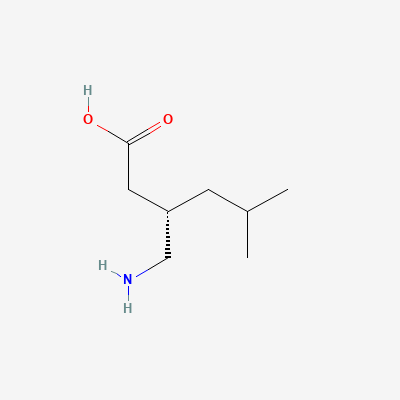
Pregabalin

Antiepileptic

Also known as Lyrica, Pregabaline, PREGABALIN

START
75 mg BID (most indications); 50 mg TID (DPN/PHN); 7 mg/kg/day BID (pediatrics 1mo-4yr)
TYPICAL MAX
300 mg/day (neuropathic pain); 450 mg/day (fibromyalgia); 600 mg/day (GAD, epilepsy)
STOP IF
Angioedema (any facial/oral swelling), suicidal ideation, severe respiratory depression, DRESS syndrome (rash with eosinophilia/fever), rhabdomyolysis
WATCH
Renal function (dose MUST be adjusted for CrCl <60), peripheral edema/weight gain, mental status (suicidal ideation screen at baseline and periodically), respiratory rate (if on opioids or with COPD), signs of misuse/abuse
CDSCO approvedSchedule HJan AushadhiATC N03AX16
Dose laddermg/d
25start50titrate75titrate150titrate300max450titrate600ceiling
Renal dose adjustmenteGFR mL/min/1.73m²
FULLFull dose: max 600 mg/day (indication…60REDUCEMax 300 mg/day (BID or TID)30REDUCEMax 150 mg/day (…15REDUCEMax 75 mg/day (s…90

KDIGO 2024 + manufacturer label

Pharmacokineticsplasma · t hours
1hONSET1hPEAK6.3h12hDURATION
ONSET
1h · 1 h (Cmax); clinical effect days to weeks
PEAK
1h · ~1 h (oral Cmax)
6.3h · 6.3 h (normal); ~52 h (CrCl <15)
DURATION
12h · 8-12 h (BID-TID dosing)
EXCRETION
~90% renal unchanged · negligible hepatic metabolism (<2%)
route + CYP
INTERACTIONS
12 major
SEVERE in our sources
PREGNANCY
Risk cannot be ruled out. Animal studies have shown adverse effects on fetal development (skeletal malformations, decreased fetal weight). Use only if potential benefit justifies potential risk. Pregabalin is associated with an increased risk of major congenital malformations when used in the first trimester. Women of childbearing potential should use effective contraception.
FDA category + note
Top interactionssee all 12
  • AlcoholSevereDatabaseKimi deep-research + Cla
  • AlfentanilSevereDatabaseDDInter
  • Barbiturates (e.g., Phenobarbital)SevereDatabase
  • BenzhydrocodoneSevereDatabaseDDInter
Available in India

307 branded formulations and 2,216 fixed-dose combinations. Look up specific brands in the Drugs workspace.

Jan Aushadhi — generic available at GoI pharmacies

Mechanism

Pregabalin binds with high affinity to the alpha-2-delta (α2-δ) auxiliary subunit of voltage-gated calcium channels (VGCC) on presynaptic neurons in the CNS and PNS. This binding reduces calcium influx into nerve terminals, thereby decreasing the release of several excitatory neurotransmitters including glutamate, norepinephrine, and substance P. The reduction in excitatory neurotransmission produces anticonvulsant, anxiolytic, and analgesic (neuropathic pain) effects. Pregabalin does not directly bind to GABA-A or GABA-B receptors, nor does it affect GABA uptake or degradation.

Indications

Neuropathic pain associated with diabetic peripheral neuropathy (DPN)Neuropathic pain associated with spinal cord injuryPostherpetic neuralgia (PHN)Adjunctive therapy for partial-onset seizures in adultsAdjunctive therapy for partial-onset seizures in pediatric patients 1 month of age and olderFibromyalgia in adultsGeneralized anxiety disorder (GAD) in adults

Dosing

Adult
Neuropathic pain (DPN/PHN): Initial 50 mg TID (150 mg/day); may increase to 100 mg TID (300 mg/day) within 1 week based on efficacy and tolerability. Max 300 mg/day. Spinal cord injury neuropathic pain: Initial 75 mg BID; may increase to 150 mg BID within 1 week. Max 300 mg/day. Fibromyalgia: Initial 75 mg BID (150 mg/day); may increase to 150 mg BID (300 mg/day) within 1 week, then to 225 mg BID (450 mg/day) if needed. GAD: Initial 75 mg BID (150 mg/day); may increase to 150 mg BID (300 mg/day) within 1 week, then to 225 mg BID (450 mg/day) or 300 mg BID (600 mg/day) if needed. Epilepsy: Initial 75 mg BID (150 mg/day); may increase to 150 mg BID (300 mg/day) based on response. Max 600 mg/day.
Pediatric
Partial-onset seizures (1 month to <4 years): Initial 7 mg/kg/day in 2 divided doses; may increase to 14 mg/kg/day in 2 divided doses. Partial-onset seizures (4-16 years): Initial 2.5 mg/kg BID (5 mg/kg/day); may increase to 5 mg/kg BID (10 mg/kg/day), then to 10 mg/kg BID (20 mg/kg/day) if needed. Max 10 mg/kg BID (600 mg/day whichever is less). Weight-based dosing uses a provided dosing chart.
Renal adjustment
CrCl ≥60 mL/min: No adjustment (max 600 mg/day). CrCl 30-59 mL/min: Max 300 mg/day (give BID or TID). CrCl 15-29 mL/min: Max 150 mg/day (give once daily or BID). CrCl <15 mL/min: Max 75 mg/day (single daily dose). Hemodialysis: Give supplemental dose of 25-100 mg after each 4-hour dialysis session (depending on indication and residual renal function).
Hepatic adjustment
No dosage adjustment is required for patients with hepatic impairment. Pregabalin undergoes negligible hepatic metabolism (<2%).
Geriatric
Dose adjustment may be needed due to age-related decrease in renal function. Start at the lower end of the dosing range (e.g., 25 mg BID or 25 mg TID) and titrate cautiously. Monitor renal function at baseline and periodically.
Max dose
600 mg/day (neuropathic pain max 300 mg/day; fibromyalgia max 450 mg/day; GAD max 600 mg/day; epilepsy max 600 mg/day)

Pharmacokinetics

Onset
Analgesic and anxiolytic effects may be observed within days of starting therapy; full therapeutic effect may take 1-2 weeks.
Peak effect
Approximately 1 hour post-dose (Cmax for immediate-release formulation).
Duration
Approximately 8-12 hours (supports BID or TID dosing).
Half-life
Approximately 6.3 hours in healthy adults (range 4.6-6.7 hours); prolonged in renal impairment (up to ~52 hours in patients with CrCl <15 mL/min).
Bioavailability
≥90% (oral); dose-independent and not affected by food.
Protein binding
Negligible (<1%); pregabalin is essentially unbound in plasma.
Metabolism
Negligible hepatic metabolism in humans. Less than 2% of a dose is metabolized, primarily to N-methylated derivative. Not metabolized by CYP450 enzymes. No clinically significant drug-drug interactions via metabolic pathways.
Excretion
Primarily renal: approximately 90% excreted unchanged in urine via glomerular filtration. Negligible fecal excretion. Renal clearance is directly proportional to creatinine clearance.

Contraindications

  • Hypersensitivity to pregabalin or any component of the formulation
  • Angioedema (has been reported with pregabalin; discontinue immediately if facial, perioral, or upper airway swelling occurs)

Side effects

Common
Dizziness (most common; ~20-30%)Somnolence/drowsiness (~15-20%)Peripheral edema (~5-10%)Weight gain (~5-10%; dose-dependent)Dry mouth (~5%)Blurred vision (~5%)Constipation (~4%)Difficulty concentrating (~3%)Euphoria (~2-5%; may be misused)HeadacheFatigue
Serious
  • Angioedema (swelling of face, lips, tongue, throat — may be life-threatening; discontinue immediately)
  • Suicidal ideation and behavior (FDA boxed warning for all antiepileptic drugs)
  • Respiratory depression (especially with concomitant opioid use or in patients with underlying respiratory impairment)
  • Drug Reaction with Eosinophilia and Systemic Symptoms (DRESS) / multiorgan hypersensitivity (discontinue if suspected)
  • Rhabdomyolysis (rare; discontinue if markedly elevated CK with muscle symptoms)
  • Thrombocytopenia
  • PR interval prolongation (dose-related; clinical significance uncertain)
  • Withdrawal symptoms upon abrupt discontinuation (insomnia, nausea, headache, diarrhea, anxiety, sweating, seizures in epileptic patients)

Pregnancy & lactation

Pregnancy

Risk cannot be ruled out. Animal studies have shown adverse effects on fetal development (skeletal malformations, decreased fetal weight). Use only if potential benefit justifies potential risk. Pregabalin is associated with an increased risk of major congenital malformations when used in the first trimester. Women of childbearing potential should use effective contraception.

Lactation

Pregabalin is excreted into human breast milk (estimated relative infant dose ~7% of maternal dose). Potential for adverse effects in breastfed infants (sedation, poor feeding, inadequate weight gain). A decision should be made whether to discontinue nursing or discontinue pregabalin, taking into account the importance of the drug to the mother. If breastfeeding continues, monitor infant for excessive sedation and adequate weight gain.

Drug interactions

Alcohol
Severe
Database

Additive CNS depression. Alcohol enhances the sedative and cognitive-impairing effects of pregabalin, increasing risk of excessive drowsiness, impaired judgment, respiratory depression, and accidents.

Advise complete abstinence from alcohol while taking pregabalin. If alcohol use occurs, limit strictly and avoid driving or operating machinery. Monitor for signs of excessive CNS depression.

Source: Kimi deep-research + Cla

Alfentanil
Severe
Database

Drug interaction classified as: absorption

Source: DDInter

Barbiturates (e.g., Phenobarbital)
Severe
Database

Increased risk of profound sedation, respiratory depression, coma, and death.

Avoid concomitant use if possible. If co-administration is necessary, use the lowest effective doses and shortest duration possible. Monitor patients closely for signs of respiratory depression and sedation.

Benzhydrocodone
Severe
Database

Drug interaction classified as: synergy

Source: DDInter

Benzodiazepines (e.g., Alprazolam, Lorazepam, Diazepam)
Severe
Database

Increased risk of profound sedation, respiratory depression, coma, and death.

Avoid concomitant use if possible. If co-administration is necessary, use the lowest effective doses and shortest duration possible. Monitor patients closely for signs of respiratory depression and sedation.

Buprenorphine
Severe
Database

Drug interaction classified as: synergy.

Source: DDInter

Butorphanol
Severe
Database

Drug interaction classified as: absorption

Source: DDInter

Codeine
Severe
Database

Drug interaction classified as: absorption.

Source: DDInter

Dextropropoxyphene
Severe
Database

Clinical effect not specified

Source: DDInter

Dezocine
Severe
Database

Clinical effect not specified

Source: DDInter

Dihydrocodeine
Severe
Database

.

Source: DDInter

Fentanyl
Severe
Database

Drug interaction classified as: absorption.

Source: DDInter

Related guidelines

Other Antiepileptic drugs

Ask House about Pregabalin

Continue into a citation-backed clinical answer with the drug context already attached.

Sources: KD Tripathi 7e, Goodman & Gilman 14e, Harrison 22e, Katzung·Verified: 2026-05-18 · House clinical team·Cockpit curated: 2026-05-18