Drug lookup
Drug reference

Levetiracetam

Antiepileptic

Also known as Keppra, Levipil, Levacetam, Levesam
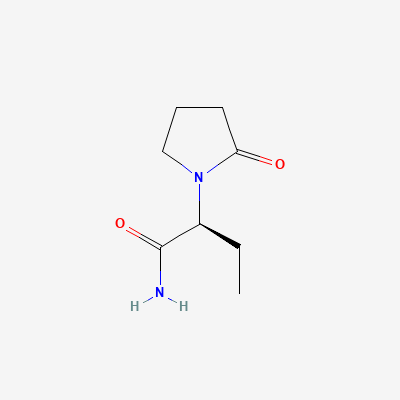
START
500 mg PO BID (titrate over 2 weeks to 1,500 mg BID if needed)
TYPICAL MAX
3,000 mg/day (some refractory 4,500 mg/day)
STOP IF
Severe behavioral side effects · severe rash
WATCH
Mood/irritability · Cr (q3-6 mo) · CBC at start (rare thrombocytopenia)
CDSCO approvedSchedule HJan AushadhiATC N03AX14
Dose laddermg/d
500BID start1kBID standard1.5kBID high3kmax daily
Renal dose adjustmenteGFR mL/min/1.73m²
FULLStandard 50…80CAUTIONReduce 25-33% (max 1000 mg BID)50REDUCEReduce 50% (max 750 mg B…30REDUCEReduce 50-75% (max 500 mg BID); suppl…90

KDIGO 2024 + manufacturer label

Pharmacokineticsplasma · t hours
1hONSET1.5hPEAK7h12hDURATION
ONSET
1h · absorption (rapid)
PEAK
1.5h · Cmax
7h · plasma t½
DURATION
12h · BID dosing window
EXCRETION
66% renal unchanged · no CYP metabolism
route + CYP
INTERACTIONS
3 major
SEVERE in our sources
PREGNANCY
Category C — among safer AEDs in pregnancy
FDA category + note
Top interactionssee all 8
  • BuprenorphineSevereDatabaseDDInter
  • DextropropoxypheneSevereDatabaseDDInter
  • Sodium OxybateSevereDatabaseDDInter
Available in India

548 branded formulations. Look up specific brands in the Drugs workspace.

Jan Aushadhi — generic available at GoI pharmacies

Mechanism

Levetiracetam's precise mechanism is not fully elucidated, but it is believed to exert its antiepileptic effects primarily through selective binding to the synaptic vesicle glycoprotein 2A (SV2A) in the brain. This binding modulates neurotransmitter release, particularly by inhibiting abnormal neuronal burst firing without affecting normal neuronal excitability. It also influences N-type calcium channels and partially inhibits GABA- and glycine-gated currents.

Indications

Partial-onset seizures with or without secondary generalization in adults and children 1 month and olderMyoclonic seizures in adults and adolescents 12 years and older with juvenile myoclonic epilepsyPrimary generalized tonic-clonic seizures in adults and adolescents 6 years and older with idiopathic generalized epilepsyStatus epilepticus (off-label)refractory partial seizures with or without generalization (adjuvant and monotherapy)CPSGTCS (mainly add-on drug)myoclonic epilepsy (mainly add-on drug)

Dosing

Adult
Initial: 500 mg orally twice daily (or 1000 mg once daily for extended-release). Increase by 500 mg twice daily (or 1000 mg once daily for XR) every 2 weeks, up to a maximum of 1500 mg twice daily (3000 mg/day). IV administration: Same doses, infused over 15 minutes.
Pediatric
1 month to <6 months: Initial 7 mg/kg twice daily; max 21 mg/kg twice daily. 6 months to <4 years: Initial 10 mg/kg twice daily; max 30 mg/kg twice daily. 4 years to <16 years: Initial 10 mg/kg twice daily; max 30 mg/kg twice daily. (For children 20-40 kg, initial 250 mg twice daily, increasing by 250 mg twice daily every 2 weeks to a max of 750 mg twice daily).
Renal adjustment
CrCl 50-80 mL/min: 500-1500 mg every 12 hours. CrCl 30-50 mL/min: 250-750 mg every 12 hours. CrCl <30 mL/min: 250-500 mg every 12 hours. ESRD (on dialysis): 500-1000 mg every 24 hours, with an additional 250-500 mg post-dialysis.
Hepatic adjustment
No dose adjustment is typically required for mild to moderate hepatic impairment. For severe hepatic impairment, consider initiating with 500 mg twice daily and monitor clinical response and renal function.
Geriatric
Initiate with a lower dose (e.g., 250 mg orally twice daily) and titrate slowly due to potential age-related decline in renal function. Closely monitor renal function.
Max dose
3000 mg/day (1500 mg twice daily)

Pharmacokinetics

Onset
Rapid (within minutes for IV, approximately 1 hour for oral immediate-release).
Peak effect
Oral: Approximately 1 hour (immediate-release). IV: At the end of infusion.
Duration
Not explicitly defined, but dosed twice daily indicating sustained action over 12 hours.
Half-life
6-8 hours in adults; 5-7 hours in children.
Bioavailability
100%
Protein binding
<10%
Metabolism
Minimal hepatic metabolism, primarily by enzymatic hydrolysis of the acetamide group; not via CYP450 enzymes.
Excretion
Primarily renal excretion (66% as unchanged drug, 24% as inactive metabolite).

Contraindications

  • Hypersensitivity to levetiracetam or any component of the formulation
  • children below 4 years

Side effects

Common
Somnolenceastheniadizzinessheadachefatigueirritabilitynasopharyngitisinfectionanorexiaataxiadyspepsiabehavioral changes (e.g., aggression, hostility, agitation)sleepinessweaknessgood tolerabilityfree of drug interactions
Serious
  • Suicidal ideation and behavior
  • anaphylaxis
  • angioedema
  • Stevens-Johnson Syndrome (SJS)
  • toxic epidermal necrolysis (TEN)
  • Drug Reaction with Eosinophilia and Systemic Symptoms (DRESS)
  • severe cutaneous adverse reactions (SCARs)
  • blood dyscrasias (e.g., neutropenia, agranulocytosis, leukopenia)
  • psychiatric and behavioral symptoms (e.g., psychosis, paranoia, mood changes, severe aggression)
  • behavioural changes (rarely)
  • driving may be impaired

Pregnancy & lactation

Pregnancy

Category C — among safer AEDs in pregnancy

Lactation

Levetiracetam is excreted into breast milk. Monitor breastfed infants for potential adverse effects such as sedation, irritability, poor feeding, or developmental delays. Use with caution, and consider alternative feeding methods or close infant monitoring if continued use is deemed necessary.

Drug interactions

Buprenorphine
Severe
Database

Drug interaction classified as: synergy.

Source: DDInter

Dextropropoxyphene
Severe
Database

Clinical effect not specified

Source: DDInter

Sodium Oxybate
Severe
Database

.

Source: DDInter

Alcohol
Moderate
Database

Increased drowsiness, dizziness, impaired coordination, and psychomotor performance.

Advise patients to avoid or limit alcohol consumption while taking levetiracetam due to potential for additive CNS depression.

Carbamazepine
Moderate
Database

Potential for additive CNS depression (drowsiness, dizziness, ataxia) at higher doses or in sensitive individuals.

Monitor for increased CNS depressant effects. Adjust doses if necessary. Patients should be cautioned about operating machinery.

Source: DDInter

Methotrexate
Moderate
Database

Increased methotrexate plasma concentrations, leading to potential methotrexate toxicity (myelosuppression, mucositis, nephrotoxicity).

Monitor methotrexate levels and for signs of toxicity. Consider dose reduction of methotrexate, especially in patients with renal impairment. Monitor renal function.

Source: DDInter

Sedatives/hypnotics (e.g., Benzodiazepines)
Moderate
Database

Increased drowsiness, dizziness, and sedation.

Monitor for increased CNS depression. Consider lower doses of sedatives/hypnotics or levetiracetam if significant sedation occurs. Caution patients about operating machinery.

Tramadol
Moderate
Database

Increased somnolence, dizziness, respiratory depression, profound sedation, and potentially coma.

Monitor for increased CNS depression and respiratory depression. Use with caution, especially in opioid-naïve patients or those with respiratory compromise. Consider dose reduction of one or both drugs.

Source: DDInter

4 additional low-confidence interactions hidden — those rows lack a documented mechanism or management plan in our sources.

Related guidelines

Other Antiepileptic drugs

Ask House about Levetiracetam

Continue into a citation-backed clinical answer with the drug context already attached.

Sources: KD Tripathi 7e, Goodman & Gilman 14e, Katzung, BNF·Verified: 2026-05-16 · House clinical team·Cockpit curated: 2026-05-16