Drug lookup
Drug reference

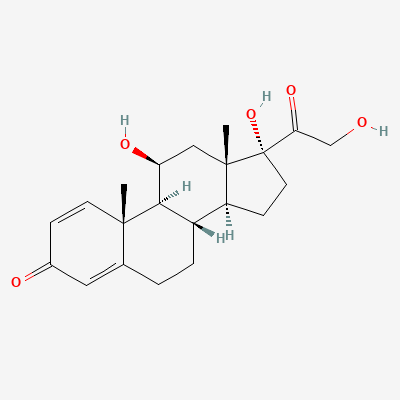
Prednisolone

Corticosteroid

Also known as Prednisolone acetate, Prednisolone sodium phosphate, Delta-1-cortisol, Metacortandracin
START
5-60 mg PO daily (indication-dependent)
TYPICAL MAX
1-2 mg/kg/day for acute conditions; taper after stabilization
STOP IF
Systemic fungal infection · live vaccine within 4 weeks · do not stop abruptly after >3 weeks
WATCH
BP · glucose · K⁺ · weight · infection signs · mood
CDSCO approvedSchedule HJan AushadhiATC H02AB06
Dose laddermg/d
5start10low-moderate20moderate (acute)40titrate60max
Renal dose adjustmenteGFR mL/min/1.73m²
FULLNo renal adjustment (hepatic clearance)90

KDIGO 2024 + manufacturer label

Pharmacokineticsplasma · t hours
1hONSET2hPEAK3h1dDURATION
ONSET
1h · anti-inflammatory action
PEAK
2h · Cmax
3h · plasma t½ (biological 18-36h)
DURATION
1d · once-daily dosing window
EXCRETION
Hepatic CYP3A4 · renal metabolites
route + CYP
INTERACTIONS
12 major
SEVERE in our sources
PREGNANCY
Category C — placental 11β-HSD2 protects fetus; mostly safe
FDA category + note
Top interactionssee all 12
  • AspirinSevereTextbook-citedKDT 7e · p950
  • CelecoxibSevereTextbook-citedKDT 7e · p950
  • DiclofenacSevereTextbook-citedKDT 7e · p950
  • IbuprofenSevereTextbook-citedKDT 7e · p950

Mechanism

Prednisolone, a synthetic glucocorticoid, exerts its effects by binding to intracellular glucocorticoid receptors. This binding leads to translocation of the receptor-ligand complex into the nucleus, where it modulates gene expression. It upregulates anti-inflammatory proteins and downregulates pro-inflammatory mediators, thereby reducing inflammation and immune responses. It also inhibits phospholipase A2, reducing prostaglandin and leukotriene synthesis.

Indications

Allergic disorders (e.g., severe asthma, allergic rhinitis)Rheumatic disorders (e.g., rheumatoid arthritis, systemic lupus erythematosus)Dermatologic diseases (e.g., pemphigus, severe psoriasis)Endocrine disorders (e.g., primary or secondary adrenocortical insufficiency)Gastrointestinal diseases (e.g., ulcerative colitis, Crohn's disease)Hematologic disorders (e.g., hemolytic anemia, idiopathic thrombocytopenic purpura)Neoplastic diseases (e.g., leukemias, lymphomas, breast cancer) (adjunctive therapy)Nervous system disorders (e.g., multiple sclerosis exacerbations, cerebral edema)Ophthalmic diseases (e.g., severe allergic and inflammatory processes involving the eye)Renal diseases (e.g., nephrotic syndrome)Respiratory diseases (e.g., COPD exacerbations, aspiration pneumonitis)Organ transplant rejection prophylaxis (off-label)rheumatoid arthritisuveitisulcerative colitisvasculitissarcoidosissystemic lupus erythematosuschronic adrenal insufficiency (with careful monitoring for cushingoid features)rheumatic disordersrenal diseasessevere allergic reactionssevere dermatological disorderspemphigusautoimmune hepatitisthrombocytopenianoninflammatory degenerative joint diseases (local injection)lymphoid malignanciesmoderate-to-severe IBDinduction of remission of moderate-to-severe Crohn’s diseaseinduction of remission of moderate-to-severe ulcerative colitissystemic treatment of corticosteroid-responsive eye disordersfollow-up treatment for severe/recurrent allergic reactionsmyasthenia gravis (advanced cases, to induce remission or for maintenance)Severe chronic asthma (not controlled by bronchodilators and inhaled steroids, or frequent recurrences of increasing severity)Acute asthma exacerbationStatus asthmaticusCOPD (during an exacerbation)allergic diseasesinflammatory diseasesautoimmune diseasesmalignanciesautoimmune haemolytic anaemiaidiopathic thrombocytopenic purpuraactive chronic hepatitismyasthenia gravissevere chronic asthmabell's palsyneurocysticercosisinflammatory bowel diseasesSulfone syndromesevere lepra reaction (ENL)reversal reactionAcute childhood leukaemiaLymphomasHodgkin’s disease (palliative)Some hormone responsive breast cancersMalignancy/chemotherapy associated hypercalcaemiaMalignancy/chemotherapy associated haemolysisMalignancy/chemotherapy associated bleeding due to thrombocytopeniaRetinoic acid syndromeIncreased intracranial tensionMediastinal edema due to radiotherapy

Dosing

Adult
Highly individualized. Typically 5-60 mg/day orally in single or divided doses. For acute conditions, higher doses (e.g., 40-60 mg/day) for short durations (3-7 days) may be used, followed by tapering. For chronic conditions, the lowest effective dose should be used, often tapered slowly.
Pediatric
Highly individualized. Usually 0.1-2 mg/kg/day orally in single or divided doses. Max 60 mg/day or 15 mg/m2/day, depending on the condition and response.
Renal adjustment
No specific dose adjustment is generally required for renal impairment, as prednisolone is primarily metabolized in the liver. However, monitor for fluid retention and electrolyte disturbances.
Hepatic adjustment
In severe hepatic impairment (e.g., cirrhosis), prednisolone clearance may be reduced, potentially necessitating a dose reduction. Monitor clinical response and adverse effects closely.
Geriatric
Start at the lower end of the dosing range due to increased susceptibility to adverse effects such as osteoporosis, hyperglycemia, fluid retention, and skin thinning. Close monitoring for side effects is crucial.
Max dose
Highly variable based on indication and duration of therapy; typically, daily doses for most anti-inflammatory/immunosuppressive uses rarely exceed 80-100 mg for extended periods. Short-term pulse therapy may involve higher doses.

Pharmacokinetics

Onset
1-2 hours (oral)
Peak effect
1-2 hours (oral)
Duration
12-36 hours (biological effect)
Half-life
2-4 hours (plasma elimination half-life)
Bioavailability
Approximately 70-90% (oral)
Protein binding
90-95% (to albumin and corticosteroid-binding globulin)
Metabolism
Hepatic, primarily converted to inactive metabolites (e.g., 20-dihydrocortisol) and also undergoes 11-beta-hydroxysteroid dehydrogenase metabolism to prednisone, which is then converted back to prednisolone in the liver. Partially metabolized by CYP3A4.
Excretion
Primarily renal (as inactive metabolites)

Contraindications

  • Systemic fungal infections
  • Known hypersensitivity to prednisolone or any component
  • Administration of live or live-attenuated vaccines in patients receiving immunosuppressive doses
  • Untreated active infections (relative)
  • Active peptic ulcer disease (relative)
  • peptic ulcer
  • diabetes mellitus
  • hypertension
  • viral infections
  • fungal infections
  • tuberculosis
  • other infections
  • osteoporosis
  • herpes simplex keratitis
  • psychosis
  • epilepsy
  • congestive heart failure
  • renal failure

Side effects

Common
Increased appetiteWeight gainFluid retentionHyperglycemiaInsomniaMood changes (nervousness, euphoria)Indigestion/dyspepsiaSkin thinningAcneIncreased blood pressureHeadachefluid retention (with high doses)Hypercorticism (with high doses)
Serious
  • Adrenal suppression/insufficiency
  • Cushing's syndrome
  • Osteoporosis and fractures
  • Peptic ulceration and gastrointestinal bleeding
  • Opportunistic infections
  • Glaucoma
  • Cataracts
  • Severe psychiatric disturbances (e.g., psychosis, depression)
  • Avascular necrosis
  • Growth retardation in children
  • Severe allergic reactions
  • Cardiovascular events (e.g., heart failure exacerbation)
  • HPA axis suppression (with long-term use)
  • adrenal insufficiency (upon withdrawal)
  • fluid and electrolyte abnormalities
  • hypertension
  • hyperglycemia
  • increased susceptibility to infection
  • peptic ulcers
  • osteoporosis
  • myopathy
  • behavioral disturbances
  • growth arrest (in children)
  • fat redistribution
  • striae
  • ecchymoses
  • osteonecrosis
  • pseudotumor cerebri (upon withdrawal)
  • posterior subcapsular cataracts
  • secondary infections
  • secondary open-angle glaucoma
  • Adverse effects with long-term systemic steroid therapy
  • pituitary-adrenal suppression

Pregnancy & lactation

Pregnancy

Category C — placental 11β-HSD2 protects fetus; mostly safe

Lactation

Prednisolone is excreted into breast milk. While generally considered safe at usual therapeutic doses, infants should be monitored for signs of adrenal suppression or growth abnormalities. For high doses, a brief interruption of breastfeeding (e.g., 3-4 hours after the dose) may be considered.

Drug interactions

Aspirin
Severe
Textbook-cited

Significantly increased GI bleeding risk.

Concurrent use is contraindicated; if unavoidable, add PPI

Source: KDT 7e · p950

Celecoxib
Severe
Textbook-cited

Significantly increased GI bleeding risk.

Concurrent use is contraindicated; if unavoidable, add PPI

Source: KDT 7e · p950

Diclofenac
Severe
Textbook-cited

Significantly increased GI bleeding risk.

Concurrent use is contraindicated; if unavoidable, add PPI

Source: KDT 7e · p950

Ibuprofen
Severe
Textbook-cited

Significantly increased GI bleeding risk.

Concurrent use is contraindicated; if unavoidable, add PPI

Source: KDT 7e · p950

Indomethacin
Severe
Textbook-cited

Significantly increased GI bleeding risk.

Concurrent use is contraindicated; if unavoidable, add PPI

Source: KDT 7e · p950

Ketorolac
Severe
Textbook-cited

Significantly increased GI bleeding risk.

Concurrent use is contraindicated; if unavoidable, add PPI

Source: KDT 7e · p950

Mefenamic Acid
Severe
Textbook-cited

Significantly increased GI bleeding risk

Concurrent use is contraindicated; if unavoidable, add PPI

Source: KDT 7e · p950

Naproxen
Severe
Textbook-cited

Significantly increased GI bleeding risk.

Concurrent use is contraindicated; if unavoidable, add PPI

Source: KDT 7e · p950

Piroxicam
Severe
Textbook-cited

Significantly increased GI bleeding risk

Concurrent use is contraindicated; if unavoidable, add PPI

Source: KDT 7e · p950

Adalimumab
Severe
Database

Drug interaction classified as: synergy.

Source: DDInter

Baricitinib
Severe
Database

Drug interaction classified as: others

Source: DDInter

Bempedoic Acid
Severe
Database

Drug interaction classified as: synergy

Source: DDInter

Related guidelines

Other Corticosteroid drugs

Ask House about Prednisolone

Continue into a citation-backed clinical answer with the drug context already attached.

Sources: KD Tripathi 7e, Goodman & Gilman 14e, Katzung, BNF·Verified: 2026-05-17 · House clinical team·Cockpit curated: 2026-05-16