Drug lookup
Drug reference

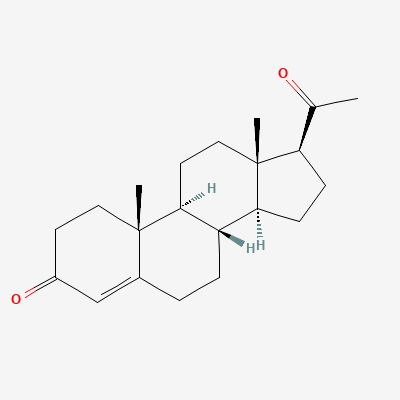
Progesterone

Progestogen · Hormone Replacement Therapy, Female Reproductive Agent, Luteal Phase Support

Also known as Micronized Progesterone, Progestin, P4

START
Confirm indication; baseline pregnancy test, pelvic exam, liver function tests. For HRT: ensure uterus intact (to prevent endometrial hyperplasia).
TYPICAL MAX
600 mg/day oral (IVF luteal support); 400 mg/day (amenorrhea). Do not exceed without specialist oversight.
STOP IF
Signs of thromboembolism (leg pain/swelling, chest pain, dyspnea), severe depression, visual disturbances, jaundice, severe allergic reaction
WATCH
Monitor for breakthrough bleeding, breast changes, mood changes, blood pressure. For HRT: annual mammography, review need for continued therapy every 6 months.
CDSCO approvedIndian drug schedule (H, H1, X, or OTC)Jan AushadhiNPPA price-controlledATC G03DA04
Dose laddermg/d
100start200titrate400max600ceiling
Renal dose adjustmenteGFR mL/min/1.73m²
FULLNo adjustment required1590

KDIGO 2024 + manufacturer label

Pharmacokineticsplasma · t hours
2hONSET2hPEAK9min1wDURATION
ONSET
2h · 1-2 h (oral); immediate (vaginal)
PEAK
2h · 1-3 h (oral micronized)
9min · 5-10 min (oral, first-pass); 7-8 d (IM 17-OHPC)
DURATION
1w · 7 d (IM depot); 12-24 h (oral)
EXCRETION
Renal (metabolites); minimal unchanged; biliary/fecal
route + CYP
INTERACTIONS
11 major
SEVERE in our sources
PREGNANCY
FDA PLLR: Natural progesterone is used for luteal phase support and preterm birth prevention — this is a therapeutic indication in pregnancy. No evidence of fetal harm at therapeutic doses. 17-OHPC is specifically approved for preterm birth prevention. Vaginal progesterone is category B (old system) with reassuring pregnancy data.
FDA category + note
Top interactionssee all 12
  • AminoglutethimideSevereDatabaseDDInter
  • CarbamazepineSevereDatabaseDDInter
  • EdoxabanSevereDatabaseDDInter
  • ItraconazoleSevereDatabaseDDInter
Available in India

1,656 branded formulations. Look up specific brands in the Drugs workspace.

Jan Aushadhi — generic available at GoI pharmacies

Mechanism

Progesterone is an endogenous steroid hormone and the primary natural progestogen. It binds to intracellular progesterone receptors (PR-A and PR-B isoforms) in target tissues, acting as a transcription factor to regulate gene expression. Key actions include: transformation of estrogen-primed endometrium to secretory phase, maintenance of pregnancy by suppressing uterine contractility and modulating immune tolerance at the maternal-fetal interface, negative feedback inhibition of gonadotropin-releasing hormone (GnRH) and luteinizing hormone (LH) secretion, and thermogenic effect (0.3-0.5°C basal temperature rise in luteal phase).

Indications

Amenorrhea (secondary) — induces withdrawal bleedingDysfunctional uterine bleeding — to regulate cycleEndometrial hyperplasia prevention (in postmenopausal women receiving estrogen therapy)Support of luteal phase in assisted reproductive technology (ART) / in vitro fertilization (IVF)Prevention of preterm birth in women with singleton pregnancy and history of spontaneous preterm birth (17-OHPC or vaginal progesterone)Threatened abortion / recurrent pregnancy loss (luteal phase support)Corpus luteum insufficiencyPart of hormone replacement therapy (HRT) in menopausal women with intact uterus

Dosing

Adult
Amenorrhea: 400 mg PO daily at bedtime for 10 days. Dysfunctional uterine bleeding: 5-10 mg IM daily for 6-8 days. Endometrial hyperplasia (with estrogen HRT): 200 mg PO daily x 12-14 days per 28-day cycle, or 100 mg PO daily continuous. IVF luteal support: 90 mg vaginal gel daily or 200-600 mg PO daily. Preterm birth prevention: 100 mg vaginal suppository daily or 250 mg IM 17-OHPC weekly.
Pediatric
Not indicated for use in pediatric patients.
Renal adjustment
No dosage adjustment required.
Hepatic adjustment
Contraindicated in severe hepatic impairment. Use with caution in mild-moderate hepatic disease; consider reduced dose and monitor liver function.
Geriatric
Not typically indicated in postmenopausal women except as part of combined HRT. Use lowest effective dose for shortest duration.
Max dose
600 mg/day (oral, luteal phase support); 400 mg/day (oral, amenorrhea); 250 mg/week (IM 17-OHPC)

Pharmacokinetics

Onset
Vaginal: rapid absorption. Oral: onset within 1-2 hours. IM: gradual absorption over days (depot effect with 17-OHPC).
Peak effect
Oral (micronized): peak serum at 1-3 hours. Vaginal: plateau within 2-4 hours. IM (17-OHPC): peak at 3-7 days.
Duration
IM 17-OHPC: duration 7 days (weekly dosing). Oral micronized: 8-12 hours (requires BID/TID dosing for sustained levels). Vaginal: 24-48 hours.
Half-life
Oral micronized: 5-10 minutes (rapid hepatic first-pass metabolism). IM 17-OHPC: 7-8 days. Vaginal: 25-50 hours.
Bioavailability
Oral (micronized): <10% (extensive first-pass hepatic metabolism). Vaginal: 4-8% systemic absorption but high local endometrial concentrations. IM: 100%.
Protein binding
~96-99% bound to albumin and corticosteroid-binding globulin (CBG).
Metabolism
Extensively metabolized in the liver via reduction (to pregnanediol, pregnanolone) and conjugation (to glucuronides and sulfates). Major metabolite: 5β-pregnan-3α,20α-diol glucuronide (pregnanediol glucuronide).
Excretion
Primarily renal (metabolites in urine); some biliary/fecal excretion.

Contraindications

  • Known or suspected pregnancy (except for luteal phase support/preterm birth prevention under specialist care)
  • Undiagnosed abnormal vaginal bleeding
  • Known or suspected breast cancer or other hormone-sensitive malignancy
  • Active thromboembolic disorders (DVT, PE, stroke, MI) or history of
  • Severe hepatic impairment or active liver disease
  • Known hypersensitivity to progesterone or any component

Side effects

Common
Drowsiness, dizziness, headacheBreast tenderness, breast painBloating, abdominal discomfortNauseaMood changes, depressionBreakthrough bleeding/spottingVaginal discharge (vaginal route)
Serious
  • Thromboembolic events (DVT, PE, stroke, MI) — increased risk with estrogen-progestin combinations
  • Severe allergic reactions (anaphylaxis, angioedema, urticaria)
  • Visual disturbances (blurred vision, loss of vision — rare, may indicate thrombotic event)
  • Liver dysfunction (jaundice, elevated transaminases)
  • Depression (severe, including suicidal ideation)
  • Breast cancer risk (long-term combined HRT)

Pregnancy & lactation

Pregnancy

FDA PLLR: Natural progesterone is used for luteal phase support and preterm birth prevention — this is a therapeutic indication in pregnancy. No evidence of fetal harm at therapeutic doses. 17-OHPC is specifically approved for preterm birth prevention. Vaginal progesterone is category B (old system) with reassuring pregnancy data.

Lactation

Progesterone is excreted in breast milk in small amounts. Natural progesterone is considered compatible with breastfeeding. No adverse effects reported in nursing infants.

Drug interactions

Aminoglutethimide
Severe
Database

Decreased progesterone plasma concentrations, leading to reduced efficacy.

Avoid co-administration. If unavoidable, consider increasing progesterone dose or using an alternative progestin. Monitor for signs of reduced progesterone effect.

Source: DDInter

Carbamazepine
Severe
Database

Decreased progesterone plasma concentrations, leading to reduced efficacy (e.g., breakthrough bleeding, failure of contraception or hormone replacement therapy, increased risk of miscarriage in pregnancy support).

Avoid co-administration if possible. If unavoidable, consider increasing progesterone dose or using an alternative progestin that is less susceptible to CYP3A4 induction. Monitor for signs of reduced progesterone effect.

Source: DDInter

Edoxaban
Severe
Database

Clinical effect not specified

Source: DDInter

Itraconazole
Severe
Database

Increased progesterone plasma concentrations, potentially leading to increased progestogenic side effects (e.g., nausea, breast tenderness, fluid retention, mood changes).

Monitor for increased progesterone side effects. Consider reducing progesterone dose if side effects are bothersome or severe. Use with caution.

Source: DDInter

Ketoconazole
Severe
Database

Increased progesterone plasma concentrations, potentially leading to increased progestogenic side effects (e.g., nausea, breast tenderness, fluid retention, mood changes).

Monitor for increased progesterone side effects. Consider reducing progesterone dose if side effects are bothersome or severe. Use with caution.

Source: DDInter

Phenobarbital
Severe
Database

Decreased progesterone plasma concentrations, leading to reduced efficacy (e.g., breakthrough bleeding, failure of contraception or hormone replacement therapy, increased risk of miscarriage in pregnancy support).

Avoid co-administration if possible. If unavoidable, consider increasing progesterone dose or using an alternative progestin that is less susceptible to CYP3A4 induction. Monitor for signs of reduced progesterone effect.

Source: DDInter

Phenytoin
Severe
Database

Decreased progesterone plasma concentrations, leading to reduced efficacy (e.g., breakthrough bleeding, failure of contraception or hormone replacement therapy, increased risk of miscarriage in pregnancy support).

Avoid co-administration if possible. If unavoidable, consider increasing progesterone dose or using an alternative progestin that is less susceptible to CYP3A4 induction. Monitor for signs of reduced progesterone effect.

Source: DDInter

Rifampicin
Severe
Database

Decreased progesterone plasma concentrations, leading to reduced efficacy (e.g., breakthrough bleeding, failure of contraception or hormone replacement therapy, increased risk of miscarriage in pregnancy support).

Avoid co-administration if possible. If unavoidable, consider increasing progesterone dose or using an alternative progestin that is less susceptible to CYP3A4 induction. Monitor for signs of reduced progesterone effect.

Source: DDInter

Ritonavir
Severe
Database

Increased progesterone plasma concentrations, potentially leading to increased progestogenic side effects (e.g., nausea, breast tenderness, fluid retention, mood changes).

Monitor for increased progesterone side effects. Consider reducing progesterone dose if side effects are bothersome or severe. Use with caution.

St. John's Wort
Severe
Database

Decreased progesterone plasma concentrations, leading to reduced efficacy (e.g., breakthrough bleeding, failure of contraception or hormone replacement therapy, increased risk of miscarriage in pregnancy support).

Avoid co-administration. If a patient is taking St. John's Wort, advise discontinuation or switch to an alternative antidepressant. Monitor for signs of reduced progesterone effect.

Source: DDInter

Venetoclax
Severe
Database

Clinical effect not specified

Source: DDInter

Clarithromycin
Moderate
Database

Increased progesterone plasma concentrations, potentially leading to increased progestogenic side effects (e.g., nausea, breast tenderness, fluid retention, mood changes).

Monitor for increased progesterone side effects. Consider reducing progesterone dose if side effects are bothersome or severe. Use with caution.

Source: DDInter

Related guidelines

Other Progestogen drugs

Ask House about Progesterone

Continue into a citation-backed clinical answer with the drug context already attached.

Sources: KD Tripathi 7e, Goodman & Gilman 14e, Katzung, BNF·Verified: 2026-05-18 · House clinical team·Cockpit curated: 2026-05-18